

Why Fine Jewelry Holds Investment Value
Table of Contents
- Why Fine Jewelry Holds Investment Value
- Precious Metals and Gemstones as Tangible Assets
- How to Identify High-Quality Gemstones
- Factors Affecting Jewelry Resale Value
- Investment Quality Diamond Jewelry for Anniversaries
- Craftsmanship, Provenance, and Long-Term Value
- The Reality of Retail Markup and Resale Expectations
- Conclusion
Last Updated: August 17, 2026
Why Fine Jewelry Holds Investment Value
Fine jewelry holds investment value because it combines tangible material worth with scarcity, craftsmanship, and timeless aesthetic appeal. Unlike fashion jewellery that depreciates rapidly, investment-grade pieces maintain or appreciate in value over time due to their precious metal content, gemstone quality, and enduring design. This makes fine jewelry a legitimate tangible asset for wealth preservation alongside traditional investment vehicles.
The appeal of fine jewelry as an investment extends beyond mere decoration. Precious metals and gemstones have intrinsic value rooted in global commodity markets, while exceptional craftsmanship and provenance create additional layers of worth that transcend material cost alone. A well-chosen piece from a reputable maker can serve dual purposes: personal enjoyment today and financial security tomorrow.
Understanding why fine jewelry holds investment value requires examining both the economic fundamentals and the practical realities of resale markets. Many investors overlook jewellery entirely because they conflate it with mass-produced accessories, missing the distinction between pieces designed for longevity and those meant for seasonal wear. Below, we'll explore the factors that separate investment-grade jewellery from disposable items.
Precious Metals and Gemstones as Tangible Assets
Precious metals form the foundation of jewellery's investment potential. Gold, platinum, and silver maintain intrinsic value independent of design or brand reputation because they're traded on global commodity markets. This means a gold ring's metal weight alone has measurable worth that fluctuates with market conditions but never reaches zero.
The value of precious metals serves as a floor beneath any fine jewellery piece. Even if a particular design falls out of favour, the metal itself retains purchasing power. Platinum, for instance, is rarer than gold and commands higher prices per gram, making platinum jewellery particularly attractive to investors concerned with long-term asset preservation. Gold remains the most accessible precious metal investment through jewellery, with prices influenced by currency fluctuations, geopolitical events, and central bank policies.
Gemstones add another dimension to jewellery's investment appeal. High-quality diamonds, rubies, sapphires, and emeralds possess rarity that increases their value over decades. Unlike precious metals, gemstone pricing depends heavily on specific characteristics: carat weight, colour, clarity, and cut quality. A certified diamond of exceptional quality becomes more valuable as larger stones become increasingly scarce in nature.
The distinction between investment-grade gemstones and lower-quality stones is critical. A small diamond with poor clarity and off-colour will depreciate or stagnate in value regardless of gold content. Conversely, a well-cut diamond with excellent clarity in a desirable colour grade appreciates alongside inflation and commodity price movements. This is why certification from recognised grading laboratories matters enormously for resale value.
How to Identify High-Quality Gemstones
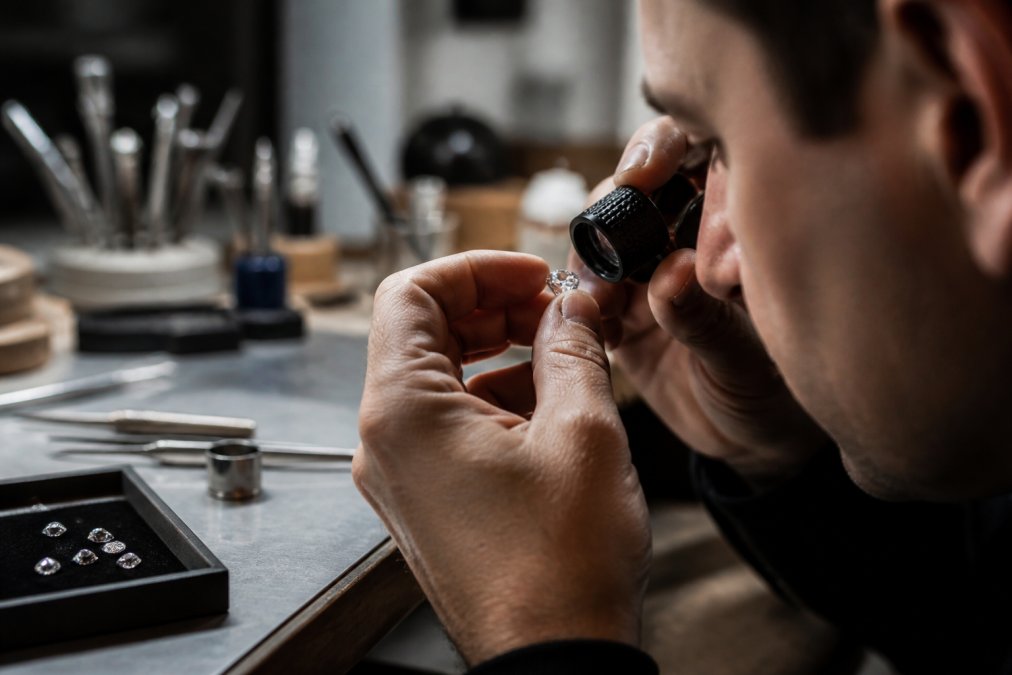
Identifying high-quality gemstones requires understanding the technical criteria that drive value in secondary markets. The most reliable method involves examining certification from established grading laboratories rather than relying on visual assessment alone. Diamonds graded by the Gemological Institute of America (GIA) or similar bodies carry documented assessments of cut, colour, clarity, and carat weight that buyers trust when evaluating resale potential.
For diamonds specifically, the "Four Cs" framework provides a standardised language for quality assessment. Carat weight measures mass; a two-carat diamond commands significantly higher per-carat pricing than a one-carat stone of identical quality due to rarity. Colour grades run from D (colourless) to Z (light colour), with colourless stones commanding premium prices. Clarity assesses internal inclusions on a scale from Flawless to Included, with eye-clean stones (SI1 and above) preferred by investors. Cut quality determines how effectively the gemstone reflects light; an excellent cut maximises brilliance and fire.
Coloured gemstones, rubies, sapphires, and emeralds, require different assessment criteria. Origin significantly affects value; Burmese rubies command higher prices than Thai rubies of equivalent quality due to historical prestige and perceived superiority. Treatment history matters enormously; a natural, unheated ruby appreciates differently than one subjected to heat treatment or fracture filling. Certification becomes even more crucial for coloured stones because visual inspection cannot reliably detect treatments that affect long-term value.
The practical step for any potential investor is requesting certification before purchase. Reputable retailers provide or facilitate access to grading reports that document gemstone characteristics. Without certification, resale becomes significantly more difficult because secondary market buyers cannot verify quality claims. A certified piece commands higher resale prices and attracts serious buyers willing to pay for documented quality.
Factors Affecting Jewellery Resale Value
Resale value depends on multiple interconnected factors that extend beyond raw material content. Market liquidity, the ease of finding a willing buyer, varies dramatically based on design, brand reputation, and current fashion trends. A timeless solitaire diamond engagement ring sells far more readily than a heavily trendy design from five years ago that no longer appeals to contemporary buyers.
Brand reputation influences resale value substantially. Pieces from established makers with heritage and consistent quality standards retain value better than unmarked pieces or items from brands with limited market recognition. Luxury brands with strong secondary market presence, those that appear regularly at auction houses and specialised resellers, command premium resale prices. This is why purchasing from established retailers matters for investment purposes.
Craftsmanship quality directly affects long-term durability and therefore resale appeal. Hand-finished details, secure stone settings, and superior metalwork indicate pieces built to last generations. Poor construction, loose stones, weak prongs, or inferior metalwork, depreciates rapidly as buyers discount future repair costs. A well-crafted piece from Diamonds by daisy, with meticulously handpicked gemstones and precious metals, maintains structural integrity that preserves resale value across decades.
Provenance and documentation enhance value significantly. Original receipts, grading certificates, and maintenance records demonstrate authenticity and support higher resale prices. Pieces with documented history, perhaps an anniversary gift with accompanying paperwork, appeal more strongly to buyers than anonymous items without background context. This is why storing certificates and receipts alongside jewellery matters for investment purposes.
Market conditions and timing affect short-term resale value. Precious metal prices fluctuate with global economic conditions, currency movements, and inflation expectations. During economic uncertainty, jewellery often appreciates as investors seek tangible assets. Conversely, during periods of economic expansion, jewellery may underperform other investments. Long-term holders benefit from this volatility less than short-term traders, making jewellery better suited to buy-and-hold strategies than active trading.
Investment Quality Diamond Jewellery for Anniversaries
Investment quality diamond jewellery for anniversaries combines emotional significance with financial prudence. Anniversary pieces serve dual purposes: marking important milestones while building personal wealth through appreciating assets. This intersection makes anniversary gifts particularly attractive as investments, especially when selected with both aesthetic and financial considerations in mind.
The key distinction lies in choosing pieces designed for longevity rather than fashion. Classic designs, solitaire diamonds, three-stone settings, simple bands, appreciate more reliably than trendy designs because they remain desirable across decades. A solitaire diamond on a platinum band purchased for a 25th anniversary will likely appeal to buyers 20 years later, whereas a heavily ornamented design reflecting 2026 trends may feel dated by 2046.
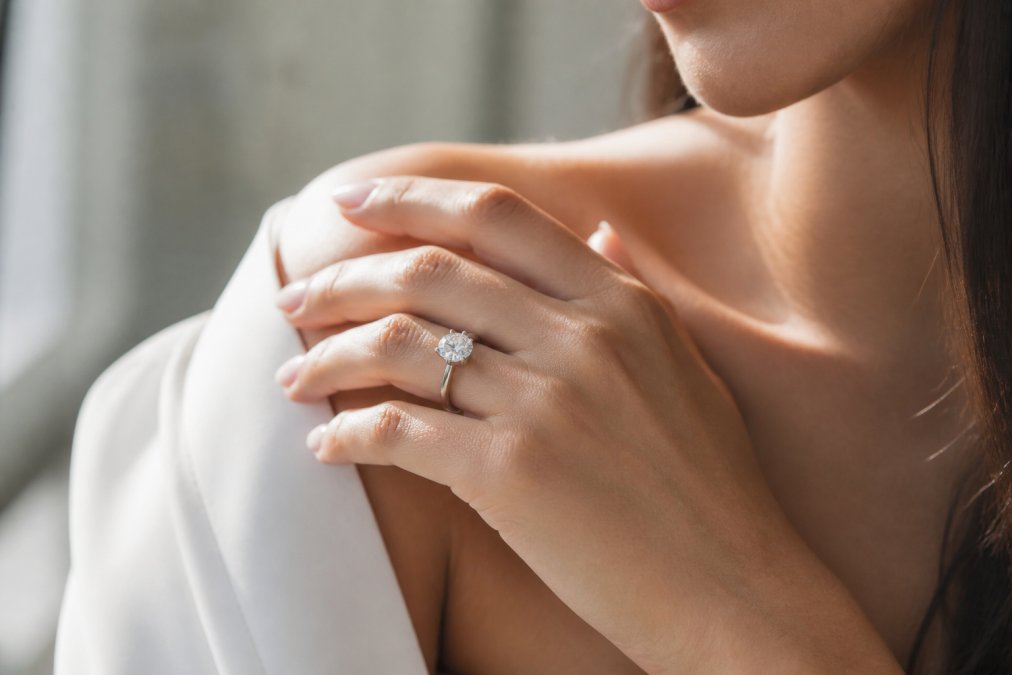
Diamond quality matters more for anniversary pieces than size alone. A smaller diamond of exceptional quality, excellent cut, VS1 clarity, near-colourless colour, appreciates more reliably than a larger stone with mediocre characteristics. Buyers of investment jewellery prioritise quality metrics documented by certification over impressive carat weight that masks poor cut or visible inclusions.
Anniversary pieces also benefit from the emotional narrative they carry. A diamond gifted for a significant anniversary develops provenance that enhances value. Buyers seeking investment jewellery often prefer pieces with documented history and meaning, making anniversary gifts particularly attractive in secondary markets. This narrative value supplements material value, creating dual appeal for future resale.
Selecting investment quality diamond jewellery requires working with retailers who understand both aesthetic and investment criteria. Diamonds by daisy's approach of curating meticulously handpicked gemstones and precious metals ensures that pieces meet investment standards while delivering the luxury and refinement appropriate for anniversary celebrations. The 30-day satisfaction guarantee provides confidence that the piece will truly satisfy before committing to long-term ownership.
Craftsmanship, Provenance, and Long-Term Value
Craftsmanship separates investment-grade jewellery from disposable fashion items. Hand-finished details, secure stone settings, and superior metalwork indicate pieces built to survive generations of wear. A poorly constructed ring with loose stones or weak prongs depreciates rapidly; buyers discount future repair costs heavily. Conversely, a meticulously crafted piece maintains structural integrity that preserves both functionality and resale appeal.
The specific techniques used in construction affect durability. Hand-forged settings distribute stress more effectively than mass-produced alternatives, reducing stone loss over time. Proper prong work, neither too tight nor too loose, protects gemstones while allowing natural movement that prevents fracture. These details matter little to casual buyers but substantially influence resale value among investors and collectors who understand what separates quality construction from adequate assembly.
Provenance, the documented history of a piece, adds significant value beyond material content. Original receipts, grading certificates, photographs of the original setting, and maintenance records all contribute to a jewellery item's investment appeal. Pieces with clear provenance command higher resale prices because secondary market buyers gain confidence in authenticity and condition. Anonymous pieces, even if constructed excellently, sell at discounts because their history remains unknown.
The maker's reputation contributes to provenance value. Pieces from established retailers with consistent quality standards develop stronger secondary market appeal than unmarked items or pieces from brands with limited market presence. This is why purchasing from retailers like Diamonds by daisy, with a clear commitment to handpicked gemstones and refined aesthetic, builds investment value through brand association alongside material quality.
Documentation practices matter practically for maintaining value across decades. Storing certificates, receipts, and photographs alongside the jewellery piece ensures that future resale benefits from documented quality and authenticity. Many investors overlook this step, then struggle to prove characteristics when attempting resale. A simple practice, maintaining a folder with grading reports and original purchase documentation, preserves investment value significantly.
The Reality of Retail Markup and Resale Expectations
Understanding retail markup is essential for realistic investment expectations. Fine jewellery typically carries substantial markup from wholesale cost to retail price, reflecting design, craftsmanship, brand reputation, and retail overhead. A piece purchased for £5,000 at retail might have a wholesale cost of £2,000-£3,000, representing a 40-60% markup that the buyer does not recover immediately upon resale.
This markup reality means that jewellery purchased at retail rarely returns full purchase price in short-term resale. A piece sold within months of purchase typically fetches 50-70% of retail price, depending on design appeal and current market conditions. This is normal and expected; jewellery functions as a long-term asset rather than a short-term trading vehicle. Investors should expect to hold pieces for years before markup costs are offset by appreciation in precious metal and gemstone values.
The secondary market for fine jewellery operates through multiple channels, each with different pricing dynamics. Auction houses specialising in jewellery typically achieve the highest resale prices, particularly for pieces with documented provenance and exceptional quality. Specialised jewellery resellers offer convenience but may pay 10-20% less than auction results. General secondhand retailers and online marketplaces offer maximum accessibility but often provide the lowest resale values because they attract price-conscious buyers rather than collectors.
Realistic investment timelines extend beyond five years. Precious metal price appreciation and gemstone rarity value accumulate gradually. A piece held for 15-20 years typically recovers its full purchase price and appreciates beyond it, particularly if purchased during periods of low precious metal prices. This long-term perspective is crucial; investors expecting quick returns from jewellery will be disappointed. The value proposition lies in building tangible assets that provide personal enjoyment while preserving wealth.
Condition and maintenance significantly affect resale value across holding periods. A piece maintained carefully, cleaned regularly, stored safely, serviced when needed, retains appeal and functionality that supports higher resale prices. Conversely, pieces showing signs of poor care, loose stones, or damaged settings depreciate more severely. This is why insurance and proper storage matter practically for investment returns.
Fine jewellery holds investment value through a combination of precious metal content, gemstone rarity, exceptional craftsmanship, and enduring design appeal. The reality of retail markup means that short-term resale expectations should be conservative, but pieces held for 15+ years typically appreciate beyond initial purchase price while providing daily personal enjoyment. When selecting investment jewellery, prioritise certified gemstone quality, established maker reputation, and timeless design over trendy aesthetics or impressive size alone. Diamonds by daisy's commitment to meticulously handpicked gemstones, precious metals, and refined craftsmanship ensures that your pieces meet these investment criteria whilst delivering the luxury and confidence you deserve. The 30-day satisfaction guarantee means you can invest with certainty, knowing that each piece will truly enhance your life before becoming part of your lasting wealth.
Frequently Asked Questions
Does fine jewelry appreciate in value over time?
Fine jewelry can appreciate, but not like traditional investments. Precious metals like gold and platinum maintain intrinsic value and often rise with commodity prices. Diamonds and gemstones with strong provenance, certification, and rarity may appreciate if demand increases. However, appreciation depends heavily on quality, craftsmanship, and market conditions. Most fine jewelry serves as a wealth preservation tool rather than a guaranteed appreciating asset.
What factors affect the resale value of fine jewelry?
Several factors influence jewelry resale value: the quality and carat weight of gemstones, precious metal content and purity (hallmarks), brand reputation and provenance, craftsmanship and design timelessness, original certification and grading reports, and overall condition. Market liquidity also matters, pieces from established makers with clear authentication sell more readily. Vintage and heritage pieces often command premium resale prices if they have documented provenance.
How do I identify investment-quality gemstones?
Investment-quality gemstones have certified grading reports from recognised laboratories detailing cut, clarity, colour, and carat weight. For diamonds, look for excellent cut grades, high clarity (VS1 or better), and colours in the D-H range. Coloured gemstones should have vibrant, natural colour and good transparency. Request certification before purchase and verify hallmarks on precious metals. Reputable jewellers provide documentation proving authenticity and quality standards.
Is investment-quality diamond jewelry suitable for anniversaries?
Yes, investment-quality diamond jewellery makes an excellent anniversary gift because it combines emotional significance with financial value. Anniversary pieces crafted from high-quality diamonds and precious metals serve as heirlooms and tangible reminders of commitment. Choosing certified stones with timeless designs ensures both sentimental worth and resale potential. The dual benefit of personal meaning and asset value makes fine jewellery an enduring anniversary choice.
This article was written using GrandRanker