

Fine Jewellery Resale Value: A Complete Guide
Table of Contents
- What Determines Fine Jewellery Resale Value
- Intrinsic Value vs. Retail Price: Why the Gap Matters
- Getting a Professional Jewellery Appraisal for Resale
- How to Sell Pre-Owned Jewellery: Channels and Strategies
- Why Fine Jewellery Depreciates and How to Minimise Loss
- Documentation, Authentication, and Tax Considerations
- The Sentimental Value Trap: A Realistic Perspective
- Conclusion
Last Updated: August 15, 2026
What Determines Fine Jewellery Resale Value
Fine jewellery resale value depends on technical factors and market conditions. Unlike predictable consumer goods depreciation, jewellery valuation involves both objective measurements and subjective market forces. Understanding these drivers helps you make informed purchasing decisions and manage realistic expectations about future liquidity.
Precious Metal Purity and Weight
The foundation of any jewellery appraisal rests on precious metal content. Gold, platinum, and silver each have distinct market values that fluctuate daily based on global commodity prices. The purity of these metals directly determines their intrinsic worth.
Gold is measured in karats, with 24-karat gold being pure. Most fine jewellery uses 18-karat (75% pure gold) or 14-karat (58.3% pure gold) compositions. A hallmark, an official stamp indicating metal purity, provides essential documentation for appraisers and buyers. Platinum commands premium prices due to its rarity and density; a platinum piece weighing the same as gold will typically hold significantly more intrinsic value. Silver, while more affordable, still contributes meaningful resale value based on current spot prices.
Professional appraisers weigh the metal component and calculate its value separately from gemstones. This distinction matters because metal content forms a baseline floor for resale value, even if the design or gemstones are less desirable.
Gemstone Quality and Certification
Gemstone quality determines a substantial portion of jewellery resale value. For diamonds, the Four Cs framework guides valuation: carat weight, colour, clarity, and cut. A GIA certification (Gemological Institute of America) provides third-party verification of these characteristics. Certified diamonds typically command higher resale prices because buyers have documented proof of quality. A 1-carat diamond with excellent clarity and colour will resell for substantially more than a 1-carat diamond with visible inclusions or poor colour grading.
Coloured gemstones follow similar grading principles with different emphasis. A ruby's colour saturation matters more than carat weight, while an emerald's clarity is often accepted as naturally included. Professional certification from recognised gemological laboratories adds credibility to resale claims.
Treated or enhanced gemstones significantly impact value. Heat treatment, irradiation, or fracture filling may not be immediately visible but substantially reduces resale price. Transparent disclosure of treatments is essential when selling.
Brand Recognition and Heritage
Branded jewellery from established heritage houses typically maintains stronger resale value than unbranded pieces of similar quality. Vintage pieces from renowned jewellers, particularly those with distinctive design signatures, often hold value better than contemporary mass-produced items.
However, brand recognition is double-edged. While it can enhance resale value, trend-driven pieces may become difficult to sell if they fall out of fashion. Timeless designs from established brands tend to hold value better than trend-dependent pieces.
Intrinsic Value vs. Retail Price: Why the Gap Matters
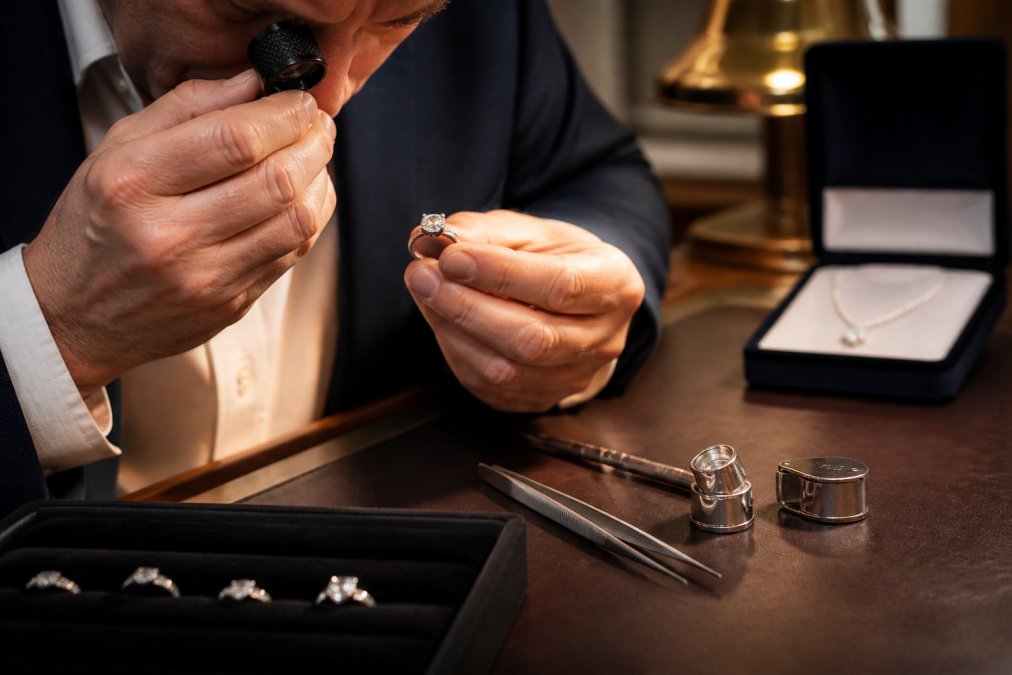
The difference between what you pay for jewellery and what you receive when selling it back is often substantial. Retail markup typically ranges from 100% to 300% above intrinsic value. A ring retailing for £2,000 might contain only £600-800 in precious metals and gemstones. The remaining cost covers design, brand reputation, retail overhead, marketing, and profit margins.
When you sell pre-owned jewellery, buyers generally offer prices based on intrinsic value, the current market price of materials plus a modest markup for condition and desirability. Rarely will you recover the full retail price, particularly if purchased recently. The longer you own the piece before selling, the more opportunity for metal prices to fluctuate in your favour, though design trends and wear typically work against value retention.
This gap reflects how retail commerce works across luxury goods. The experience of owning and wearing the piece is part of what you purchase at retail price. The resale value represents the material worth when ownership transfers to someone else.
At Diamonds by daisy, we recognise that customers purchasing fine jewellery want pieces they'll treasure for years, not investments they expect to flip. Our 30-day satisfaction guarantee reflects confidence in our pieces' quality and design longevity, ensuring you're satisfied with your purchase regardless of future resale considerations.
Getting a Professional Jewellery Appraisal for Resale
Before selling pre-owned jewellery, obtaining a professional appraisal establishes a realistic baseline for pricing and protects both seller and buyer.
What to Expect from a Valuation Report
A comprehensive valuation report includes detailed descriptions of the piece, measurements of all gemstones, metal type and weight, condition assessment, and a stated value. The appraiser documents any repairs, treatments, or damage and notes the piece's age and provenance if known.
The report should specify whether the valuation is for insurance purposes, resale value, or replacement cost. These figures differ significantly. Replacement cost, what it would cost to replace the piece new, is typically much higher than resale value. A professional valuation typically costs between £50 and £150, depending on the piece's complexity and the appraiser's credentials.
Finding a Qualified Appraiser
Seek appraisers who hold credentials from recognised professional bodies. In the UK, membership in the Association of Independent Jewellery Valuers (AIJV) or the Institute of Professional Valuers and Auctioneers (IPVA) indicates formal training and ethical standards.
Avoid appraisers who also buy jewellery directly, as this creates a conflict of interest. An independent appraiser with no financial stake in the sale provides unbiased valuation. Confirm they use current market data for precious metals and gemstones, as prices fluctuate daily.
How to Sell Pre-Owned Jewellery: Channels and Strategies
Multiple channels exist for selling pre-owned jewellery, each with distinct advantages. Your choice depends on the piece's value, your timeline, and effort you're willing to invest.
Digital vs. Physical Resale Channels
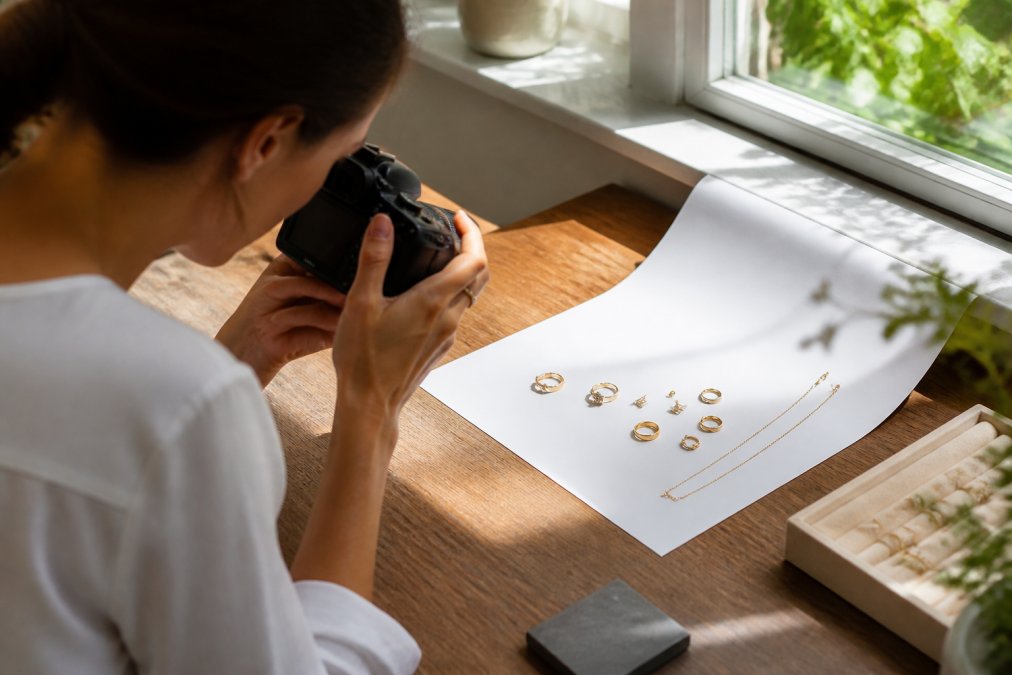
Online marketplaces like eBay and Vinted offer broad reach but require you to manage photography, shipping, and returns. Specialist online jewellery resale platforms (such as Rebag or Vestiaire Collective) handle authentication and shipping, reducing administrative burden. These platforms take 20-40% commission but provide buyer confidence through vetting processes.
Physical channels include local jewellers, pawn shops, and consignment arrangements. A local independent jeweller may offer fair pricing if they recognise quality. Pawn shops typically offer the lowest prices. Auction houses specialising in jewellery provide expert marketing and reach serious collectors, though they take 15-25% commission and require 2-3 months for sale.
Pricing Your Piece for Maximum Returns
Research comparable sales across your chosen channel before setting a price. Look at recently sold listings, not asking prices, which are often optimistic. Completed auctions provide realistic benchmarks.
Factor in the piece's condition, any damage or repairs, and whether it includes original documentation or certification. A piece in excellent condition with a GIA certificate will command a premium.
Consider the time value of money. Accepting a slightly lower offer from a ready buyer may be preferable to holding out for a higher price that takes months to achieve. Be realistic about brand premium; buyers in the secondary market are often more price-sensitive than retail customers.
Why Fine Jewellery Depreciates and How to Minimise Loss
Understanding depreciation drivers helps you make purchasing decisions that preserve value better over time.
Retail Markup and Wholesale Value
The primary reason jewellery depreciates immediately after purchase is the retail markup built into the original price. When you buy from a retailer, you're paying for brand, design, retail infrastructure, and profit margins. The moment you own the piece, that markup evaporates; you can only recover the intrinsic value of materials plus a modest premium for desirability.
Wholesale value, what jewellers pay for pieces they'll resell, is typically 40-60% of retail price. This gap reflects the retailer's cost of doing business. Pieces purchased during sales experience steeper effective depreciation, though you've benefited from the discount at purchase.
Maintenance, Wear, and Market Demand
Visible wear reduces resale value. Scratches on gold, chips in gemstones, worn prongs, or missing stones all lower appeal. Professional cleaning and minor repairs before resale can improve perceived value.
Outdated styles depreciate faster than timeless designs. A piece following 2020 trends may feel dated by 2026. Classic designs, solitaire engagement rings, simple gold bands, traditional pendants, maintain stronger resale demand. Proper maintenance extends both wearability and resale appeal. Regular professional cleaning, occasional re-polishing, and prompt repair of loose stones preserve condition and directly impact resale pricing.
Documentation, Authentication, and Tax Considerations
Proper documentation strengthens your position when selling jewellery and provides essential records for tax purposes.
Retain original receipts, certificates of authenticity, and any gemological reports. These documents prove provenance and quality, allowing buyers to verify claims and justify higher prices. For significant pieces, obtain a professional appraisal before selling.
Authentication matters, particularly for branded jewellery or pieces claiming certified gemstones. Buyers increasingly request verification, and reputable resale platforms require it. From a tax perspective, jewellery sales may trigger capital gains tax if the piece appreciated significantly since purchase. In the UK, personal possessions including jewellery are generally exempt from capital gains tax if acquired for personal use. However, if you're selling multiple pieces regularly, HMRC may reclassify sales as trading income. Maintain records of all purchases and sales to support your position if questioned.
The Sentimental Value Trap: A Realistic Perspective
Many people hold jewellery longer than they otherwise would because of sentimental attachment. While emotional connection is valid, it can cloud resale decisions and lead to unrealistic pricing.
Sentimental value is personal and doesn't translate to market value. A ring inherited from a grandmother holds deep meaning to you, but a buyer sees only the materials and design. Pricing based on emotional significance rather than market conditions typically results in the piece sitting unsold.
If you're attached to a piece but need to sell, consider whether the sentimental value justifies keeping it unworn. If a piece is truly irreplaceable emotionally, accept that you may never sell it. Not every piece needs to be liquid; some function as heirloom pieces meant to pass to future generations.
For pieces you're genuinely uncertain about, the 30-day satisfaction guarantee offered by retailers like Diamonds by daisy provides time to live with a purchase before committing.
Fine jewellery resale value reflects a complex interplay of material worth, design desirability, and market conditions. Rather than viewing jewellery primarily as an investment to be liquidated, approach it as something you'll genuinely wear and enjoy. When you do decide to sell, understanding the factors that drive resale value, precious metal content, gemstone quality, brand heritage, and current market demand, allows you to price realistically and move your piece efficiently. At Diamonds by daisy, we craft pieces designed to endure in both style and quality, with our 30-day satisfaction guarantee ensuring you're confident in your purchase. Pieces built to last and designed with timeless elegance hold their appeal far longer than trend-driven alternatives.
Frequently Asked Questions
What type of fine jewellery holds its resale value best?
Pieces with strong brand heritage, high precious metal content, and certified gemstones retain value most effectively. Platinum and solid gold jewellery outperforms plated items. Designs that transcend trends, classic engagement rings, timeless necklaces, and heritage-crafted pieces, typically command better secondary market prices than heavily fashion-influenced styles. GIA-certified diamonds and precious stones add measurable liquidity to your resale prospects.
How much of my original purchase price can I expect to recover when selling pre-owned jewellery?
Recovery rates vary widely depending on brand, materials, and condition. Fine jewellery typically resells for 30-50% of retail price, though precious metal content may command higher percentages if spot prices are favourable. Investment-grade pieces from established makers often perform better. The gap between retail and resale reflects the retailer's markup and market demand. A professional appraisal will give you a realistic secondary market valuation specific to your piece.
Do I need certification or documentation to sell my jewellery for the best price?
Yes. GIA certificates, appraisal reports, and proof of authenticity significantly increase buyer confidence and resale value. Original purchase receipts and hallmark documentation strengthen your position. Without certification, buyers may discount your asking price to account for authentication risk. A formal valuation report from a qualified appraiser is essential if you're selling a significant piece. Keep all documentation safe, it's your evidence of quality and provenance.
Should I sell my pre-owned jewellery online or to a physical dealer?
Each channel has trade-offs. Physical dealers offer immediate payment and convenience but typically buy at wholesale prices. Online platforms and private sales can yield higher returns but require more effort, photography, listing, shipping, and buyer vetting. Consignment through reputable jewellery retailers balances both: you retain ownership until sold, but the retailer takes a commission. Choose based on your timeline, comfort with logistics, and how quickly you need liquidity.
This article was written using GrandRanker