

Pick Earrings That Last: Types of Earrings, Materials and Backs
Earrings fall into a handful of core families: studs, hoops, huggies, drops and dangles, chandeliers, threaders, jackets and climbers, and cluster or statement pieces. This guide breaks down how to identify each style, which backs and metals work best, and how healing time, face shape, and occasion should shape your pick.
TL;DR:
- Diamond studs offer the best sparkle when cut well, but choose smaller stones over larger, poorly cut diamonds for better daily wear.
- Screw backs and locking mechanisms provide the highest security for valuable earrings, especially for heavier styles like chandeliers and large hoops.
- Implant-grade titanium, surgical steel, 14k gold, or platinum are safest metals for sensitive ears and new piercings, with nickel as a common allergy trigger.
- Healing times vary from six to eight weeks for earlobes and up to 12 months for cartilage, so avoid changing jewelry early to prevent irritation.
- Heavier earrings should be worn only for events rather than daily, and secure backs should be checked regularly to prevent loss or injury.
Table of Contents
- 1. Common Earring Styles and How to Tell Them Apart
- 2. Which Earring Back Keeps Your Jewelry Secure?
- 3. Which Metals Are Safest for Sensitive Ears?
- 4. How to Choose Earrings by Face Shape and Occasion
- 5. How Long Does a New Piercing Take to Heal?
- 6. Why Georgia Trusts a Materials-First Approach to Earrings
- 7. Earring Styles That Suit Different Ages and Genders
- 8. How Earrings Have Carried Meaning Across Cultures
- 9. Where Earring Trends Are Headed
- 10. What Actually Matters When You’re Choosing Earrings
- 11. Shop the Styles You’ve Just Learned About
- FAQ
- Sources
1. Common Earring Styles and How to Tell Them Apart
Every earring you own probably fits into one of these families. Knowing the names helps you shop smarter and describe what you want, whether you’re buying for yourself or picking a gift.
Stud earrings sit directly on the earlobe with no visible drop. They typically use a prong or bezel setting to hold a gemstone or pearl in place, and a diamond stud is often judged by the same GIA 4Cs used for loose stones: cut, color, clarity, and carat. Cut quality has an outsized effect on sparkle, so an excellent or very good cut round brilliant tends to outshine a larger stone cut poorly. Studs work for nearly every occasion, from the office to a wedding, because they sit close and don’t compete with an outfit.
Hoop earrings are circular or oval and close with either a hinged clasp or a continuous, “endless” wire. Hoops range from small, close-to-the-lobe versions to oversized statement circles, and the clasp style affects how easily they go on and off.
Huggie earrings are a small, snug hoop that wraps tightly around the lobe rather than swinging freely. They read like a stud with more dimension and have become a staple for people who stack multiple piercings.
Drop earrings hang a short distance below the lobe on a fixed point, while dangle earrings move more freely, often with multiple linked elements that sway with movement. The distinction is subtle but matters for comfort: a drop stays put, a dangle catches hair and light.
Chandelier earrings are an elaborate, multi-tiered dangle style, often with several branching strands of stones or metal. They’re built for evening wear and formal events rather than daily rotation.
Threader earrings use a thin chain or wire that passes through the piercing and drapes on either side, instead of a fixed post. They create an asymmetric, modern look and work best in a healed lobe piercing.
Jacket earrings and climbers (sometimes called crawlers) both add visual height above the lobe. A jacket wraps around the back of a stud to frame it from behind, while a climber ascends the outer edge of the ear, mimicking the look of multiple piercings with a single earring.
Cluster and statement earrings group several stones, charms, or shapes into one bold piece, usually meant to be the focal point of a look rather than a subtle accessory. A single oversized statement earring, worn alone, has also become its own trend in recent seasons.
Clip-on earrings replicate any of the above styles without requiring a piercing, using a spring or screw mechanism to grip the lobe.
A few practical notes on fit:
- Heavier styles like chandeliers and large hoops put more strain on the earlobe over a full day, so save them for events rather than nine-to-five wear.
- Layering multiple styles, such as a huggie paired with a small stud and a thin hoop, is easier when piece weight and metal tone stay consistent; our earring stack ideas guide walks through a simple three-piece starter combination.
- If you’re drawn to diamond studs specifically, the shape of the stone changes the whole look, and our guide to round brilliant versus princess cut diamonds breaks down how each wears in daily life.
2. Which Earring Back Keeps Your Jewelry Secure?
The back you choose affects comfort, security, and how often you’ll need a jeweler’s help. Here’s how the main types compare:
- Post and friction (butterfly) backs are the most common, using a small clutch that slides onto a straight post. They’re easy to put on but can loosen over time, and a bench jeweler can re-tension the clutch spring or fit a larger back for extra hold, according to GIA’s bench tip on adjusting earring backs.
- Screw backs and locking backs thread onto the post, giving high-value studs, like diamonds, a much lower chance of falling off during normal wear.
- Leverback earrings use a hinged lever that snaps closed against the ear, making them a secure, low-maintenance choice for dangles and drops.
- Latch backs work similarly to leverbacks but close with a small hook that locks into a loop, common on hoops and medium-weight dangles.
- Shepherd hooks are a simple curved wire that slips through the piercing without any clasp at all, best suited to lighter, everyday earrings rather than anything with real weight.
- Clip-ons and magnetic backs skip the piercing entirely, clamping or magnetizing onto the lobe, which makes them the only option for unpierced ears.
Pro Tip: If a favorite pair of studs feels looser than it used to, ask a jeweler to check the back before you wear them again. A larger or re-tensioned back costs little and prevents losing a stone entirely.
For a deeper breakdown of every back style and when each makes sense, see our complete guide to earring back types.
3. Which Metals Are Safest for Sensitive Ears?
Material choice matters more than style once you’re dealing with a new piercing or sensitive skin. The Association of Professional Piercers recommends implant-grade metals, meaning specific ASTM or ISO-rated alloys, along with internally threaded or threadless designs that reduce friction and trauma as jewelry is inserted or removed.
Metals generally considered safe for new piercings and reactive skin include:
- Implant-grade titanium, prized for being lightweight and highly biocompatible.
- Surgical or medical-grade stainless steel that meets recognized ASTM or ISO specifications.
- 14k gold or higher, since lower karat gold contains more alloyed metal, including possible nickel.
- Platinum, which is hypoallergenic and extremely durable, though typically priced at a premium.
Nickel is one of the most common triggers of metal allergy, and the Cleveland Clinic advises choosing titanium, surgical steel, 14k+ gold, or platinum if you have known sensitivity. Costume jewelry and plated pieces are frequent offenders, since the base metal underneath a thin gold or rhodium layer often contains nickel that surfaces as the plating wears.
Porous organic materials like wood or bone can harbor bacteria if they crack, which is why the APP’s guidance on healed piercings reserves them for fully healed piercings, never fresh ones. When buying jewelry intended for an initial piercing, a mill certificate verifying the metal’s composition is the clearest proof it meets implant-grade standards, and reputable sellers can provide one on request.
4. How to Choose Earrings by Face Shape and Occasion
Picking the right earring comes down to a few repeatable rules rather than guesswork.
- Face shape: rounder faces tend to benefit from elongating shapes like drops and dangles, while angular faces often look balanced by softer, rounded hoops or studs.
- Scale: match earring size to your hair length and outfit. Earrings nearly disappear under long, loose hair, so bigger hoops or dangles show up better than small studs.
- Activity: save heavy chandeliers or oversized hoops for events where you won’t be reaching, exercising, or wearing a collar that catches on jewelry.
- Multiple piercings: when stacking cartilage and lobe piercings, keep cartilage pieces lightweight, since that tissue has less give than the lobe, and reserve heavier drops for a single, well-healed lobe hole.
If you’re buying a gift, run through a short checklist before deciding: does the recipient have any known metal sensitivities, what style do they already wear most, does the retailer offer a reasonable return window, and will the piece hold up to daily wear rather than tarnishing after a few outings. Our gifts for her collection is built around exactly that kind of everyday durability.
5. How Long Does a New Piercing Take to Heal?
Healing time depends entirely on placement, and rushing it is the most common cause of irritation or infection.
According to the Cleveland Clinic, earlobe piercings typically heal in about 6 to 8 weeks, while cartilage piercings can take 4 to 12 months to fully heal. Swapping earrings before that window closes is one of the most common causes of irritation.
- Clean a new piercing with a saline rinse rather than alcohol or harsh antiseptics, which can dry out the skin and slow healing.
- Avoid swimming in pools, lakes, or the ocean while a piercing is healing, since all three introduce bacteria to an open wound.
- Leave the original jewelry in place until healing is complete, and only then rotate in new styles.
- See a professional piercer or your doctor if you notice spreading redness, unusual discharge, or a lump that doesn’t resolve, since early treatment prevents bigger problems.
Pro Tip: Once a piercing is healed, check the backs of your everyday earrings every few months, and skip abrasive cleaners on gold-plated pieces, since scrubbing wears through the plating fast.
6. Why Georgia Trusts a Materials-First Approach to Earrings
I’ve built this guide around the idea that style should never outrun substance: a beautiful pair of earrings that irritates your skin or loosens within a month isn’t actually a good buy. This standard prioritizes quality craftsmanship and materials that hold up to everyday wear, not just a single photo.
If you want to go deeper on any one piece of this guide, our articles on earring back types and earring stacking cover the mechanics in more detail, while our guide to diamond carat weight is useful if studs are on your shortlist.
7. Earring Styles That Suit Different Ages and Genders
Earring preferences shift with life stage more than strict rules, but a few patterns hold up. Younger wearers and teens often gravitate toward small studs, huggies, and lightweight hoops that suit school, sports, and daily activity without much upkeep. Young professionals tend to add diamond or gemstone studs and medium hoops to that rotation, pieces polished enough for work but easy to wear daily.
Older wearers frequently favor classic studs, drop pearls, or leverback dangles, often prioritizing comfort and secure backs over trend-driven shapes. Chandeliers and oversized statement pieces skew toward special occasions across every age group rather than everyday rotation.
Gender has loosened its grip on earring style considerably. Men increasingly wear studs, small hoops, and single statement pieces, while many of the boldest cluster and chandelier styles are worn regardless of gender identity. The through line across ages and genders is less about the style itself and more about comfort, scale, and how often a piece gets worn, which is why fit and material still matter more than following a strict age-based rule.

8. How Earrings Have Carried Meaning Across Cultures
Earrings are one of the oldest forms of body adornment, worn across civilizations long before they became a fashion category. Hoops in particular carry deep cultural roots, historically signifying wealth, status, or heritage in various African and Latin American communities, and they remain a symbol of pride and identity for many wearers today.
Studs and small drop earrings have appeared across centuries as markers of social standing, often reflecting the wearer’s access to precious metals and stones. Chandelier earrings trace back to royal and aristocratic dress, where elaborate, tiered jewelry signaled status at formal events, a legacy still visible in how chandeliers read as “occasion” pieces today.
In many cultures, ear piercing itself is tied to rites of passage, performed in infancy or early childhood as a cultural or religious milestone rather than a personal style choice made later in life. That history is part of why earrings carry more emotional weight than many other accessories: they’re rarely just decoration, they’re also a marker of where someone comes from.
9. Where Earring Trends Are Headed
Earring fashion has moved in a clear direction over the past several years: toward personalization rather than a single dominant look. Stacking multiple styles on one ear, mixing a huggie with a small hoop and a stud, has replaced the idea of a single “matching” pair as the only acceptable way to wear earrings.
Mixed metals, once considered a styling mistake, are now worn deliberately, and asymmetric looks, including threaders paired with a climber on the opposite ear, have moved from runway novelty into everyday wardrobes. Oversized single statement earrings, worn alone rather than in pairs, have also gained ground as a way to make an outfit feel considered without much effort.
Sustainability has entered the conversation too, with more buyers asking where metals and stones come from rather than just how a piece looks on the shelf. That shift favors brands that disclose sourcing and materials clearly, since shoppers increasingly treat that transparency as part of the earring’s actual value, not just a footnote.
10. What Actually Matters When You’re Choosing Earrings
The conventional advice on earrings spends too much time on trend forecasts and not enough on the two things that actually determine whether you’ll wear a piece in a year: material safety and back security. A gorgeous design loses all its appeal if it irritates your skin or falls apart after a few wears, yet most style guides treat those details as an afterthought buried at the bottom of the page.
My honest read is that readers should flip that order. Start with metal (titanium, surgical steel, or 14k+ gold if you’re at all sensitive), then confirm the back style suits how you actually move through your day, and only then shop by silhouette. Hoops, studs, and chandeliers are fun to compare, but none of them matter if the piece behind the design isn’t built to last.
— Georgia
11. Shop the Styles You’ve Just Learned About
Every style covered here, from everyday studs to statement hoops, is represented across a curated Jewelry & Elevated Accessories collection focused on quality craftsmanship and everyday wear rather than fast-fashion turnover.
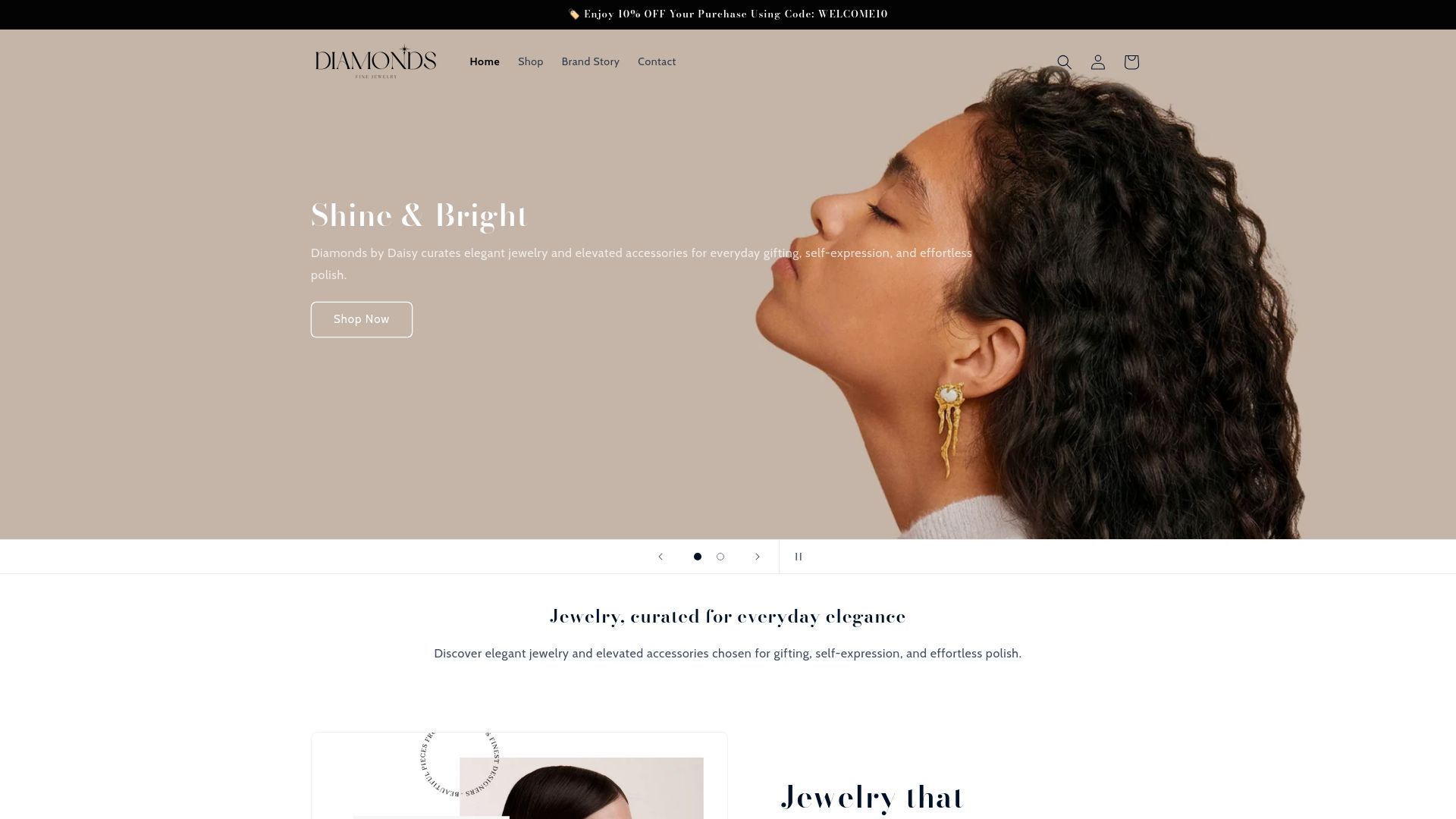
If you’re shopping for someone else, our everyday gold jewelry collection is a reliable starting point for hoops and studs that suit most tastes, and our full site covers everything from New Jewelry to finishing-touch gifts. Browse, compare a few styles against what you learned above, and pick the one that fits.
FAQ
What is the most popular type of earring?
Stud earrings and hoop earrings are generally considered the most widely worn styles, since both suit nearly any outfit and occasion. Diamond studs specifically remain a long-term staple, with cut quality shaping their sparkle more than size alone, per GIA’s guide to diamond studs.
What is the difference between drop and dangle earrings?
Drop earrings hang in a fixed position below the lobe, while dangle earrings have multiple moving parts that swing freely. The distinction affects comfort and how much movement you’ll notice throughout the day.
How long should I wait before changing earrings after piercing?
Earlobe piercings typically need about 6 to 8 weeks to heal, while cartilage piercings can take 4 to 12 months, according to the Cleveland Clinic. Changing jewelry too early raises the risk of irritation or infection.
Which metals are safest for sensitive ears?
Implant-grade titanium, surgical stainless steel, 14k or higher gold, and platinum are widely recommended for sensitive skin and new piercings. Nickel is a common allergy trigger, and the Cleveland Clinic advises avoiding it if you’ve reacted to jewelry before.
How do I know if my earring backs are secure?
Check that the back feels snug against the lobe without excessive wiggle, and have a jeweler re-tension or replace a loose clutch before wearing heavier pieces. A bench jeweler can also fit a larger back to support earrings with more weight, per GIA’s bench tip.
Sources
- How to choose diamond stud earrings | GIA 4Cs
- Jewelry for initial piercings | Association of Professional Piercers
- What to expect when getting your ears pierced | Cleveland Clinic
- Nickel allergy | Cleveland Clinic
- How to adjust earring backs | GIA bench tip