

Recycled metals for custom jewellery: a guide
Table of Contents
- Why recycled metals matter for custom jewellery
- Environmental impact: recycled metals vs. virgin mining
- Benefits of recycled gold jewellery
- Durability of recycled sterling silver and other precious metals
- Hallmarking recycled precious metals: certification and traceability
- Recycled vs. fairtrade metals: what's the difference?
- Customisation and care for recycled metal jewellery
- Frequently Asked Questions
Last Updated: September 17, 2026
Why recycled metals matter for custom jewellery
Choosing recycled metals jewellery for custom pieces has become far more than a trend among conscious consumers. When you select recycled gold, silver, platinum, or palladium for a bespoke piece, you're making a decision that affects environmental impact, supply chain transparency, and the longevity of what you wear. Clients increasingly ask about the provenance of their precious metals, they want to know the story behind their jewellery, not just admire its beauty.
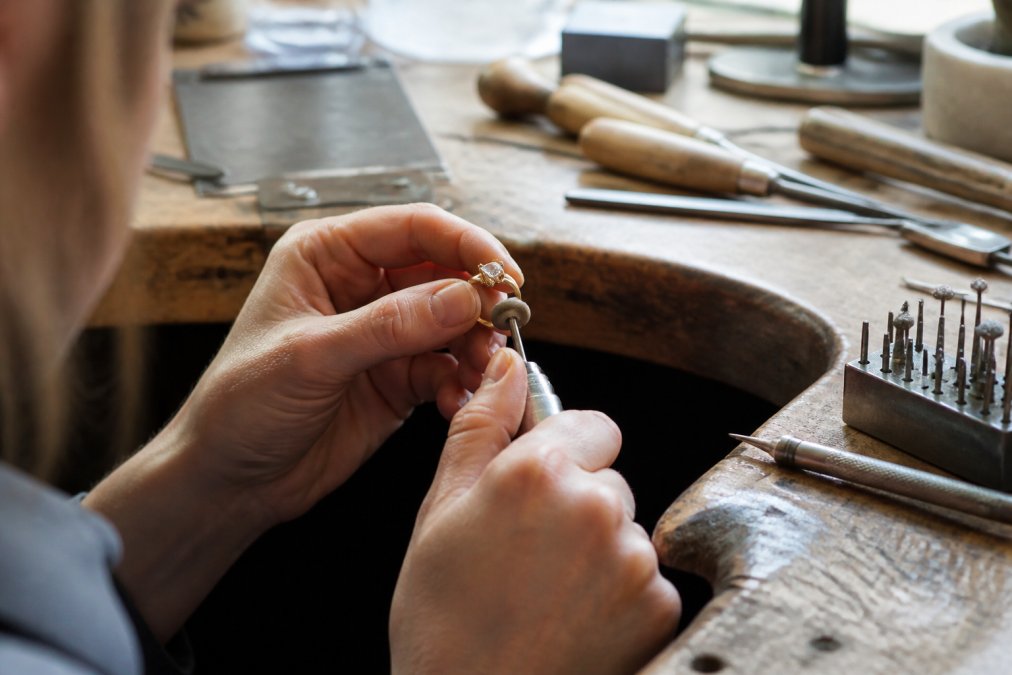
The shift toward recycled metals reflects a broader understanding that virgin mining carries real costs. Extracting new precious metals requires significant energy, generates waste, and often involves complex supply chain challenges. Recycled metals jewellery offers an alternative: it delivers the same purity, durability, and luxury as newly mined material, but without those environmental and ethical complications. This matters especially when you're commissioning a piece you plan to keep for decades or pass down to the next generation.
Environmental impact: recycled metals vs. virgin mining
The environmental case for recycled metals is straightforward: recycling precious metals requires dramatically less energy than extracting virgin material from the earth. Mining operations demand significant resources, fuel for machinery, water for processing, and infrastructure development that disrupts ecosystems. Recycled metals sidestep these costs entirely. The metal has already been refined once; reprocessing it consumes a fraction of the energy needed to mine and refine new ore.
Greenhouse gas emissions tell a similar story. Virgin mining operations generate emissions through excavation, transportation, and refining. Recycled precious metal refineries operate with lower energy intensity because they're working with already-pure material. This reduction in carbon footprint matters if you care about the environmental cost of your jewellery, and increasingly, people do.
Beyond energy and emissions, there's the question of land use and waste. Mining operations create tailings, open pits, and require ongoing environmental management. Recycled metal operations produce no mining waste because there's no extraction phase. For consumers who value sustainability and ethical sourcing, this distinction is meaningful. You're not contributing to mining practices; you're supporting a circular economy where precious metals remain in use indefinitely.
Benefits of recycled gold jewellery
Recycled gold jewellery delivers every benefit of virgin gold, the same karat purity, the same lustre, the same durability, while eliminating the environmental burden of extraction. When you choose recycled gold for a custom piece, you're selecting a precious metal that's chemically identical to newly mined gold but with a cleaner origin story.
The purity of recycled gold depends on how it's refined, not where it came from. A 14-karat recycled gold ring contains exactly 58.3% pure gold, just like any other 14-karat piece. The metal doesn't degrade through recycling; it simply returns to use in a new form. This matters because it means you're not compromising on quality or longevity. Your piece will age beautifully and last for generations, just as jewellery made from virgin gold would.
Responsibly sourced recycled gold also addresses ethical concerns that plague virgin mining. Mining operations in certain regions have been linked to poor labour practices, environmental damage, and supply chain opacity. Recycled metals bypass these issues entirely because they're sourced from existing jewellery, industrial scrap, or certified refineries with transparent practices. For many buyers, this peace of mind is as valuable as the metal itself.
Durability of recycled sterling silver and other precious metals
A common misconception is that recycled precious metals are somehow less durable than virgin material. This is simply untrue. The durability of sterling silver, platinum, palladium, or any recycled precious metal depends entirely on its composition and craftsmanship, not its origin.
Sterling silver, whether recycled or virgin, is 92.5% pure silver. This standard doesn't change. Recycled sterling silver will tarnish at the same rate, polish to the same lustre, and withstand the same wear as any other sterling silver. The difference lies in how the piece is made, the thickness of the metal, the quality of the joints, and the skill of the craftsperson. A well-made recycled silver ring will outlast a poorly made virgin silver one every time.
Platinum and palladium are even more durable than silver. Both metals are naturally resistant to corrosion and maintain their integrity through years of daily wear. Recycled platinum is as dense, as scratch-resistant, and as long-lasting as virgin platinum. The refining process doesn't weaken these metals; it simply reclaims them for new use.
The real durability question isn't about the metal's origin, it's about maintenance and care. Re-plating and polishing are standard practices for keeping precious metal jewellery in pristine condition. Whether your piece is made from recycled or virgin metal, regular professional cleaning and the occasional re-plating of worn surfaces will keep it looking new for decades.
Hallmarking recycled precious metals: certification and traceability
Hallmarking is your guarantee of metal purity and authenticity. In the UK, hallmarking is legally required for precious metals, gold, silver, platinum, and palladium, and this applies equally to recycled and virgin metals. A hallmark tells you the exact purity of the metal and confirms it has been independently tested by one of the UK's four assay offices: the London Assay Office, the Birmingham Assay Office, the Sheffield Assay Office, or the Edinburgh Assay Office. These offices apply a unique hallmark to each piece, certifying its karat weight or fineness.
For recycled metals, hallmarking works the same way. A piece of recycled gold jewellery will bear a hallmark indicating its karat purity, 14ct, 18ct, or 22ct, just as newly mined gold would. The assay office doesn't distinguish between recycled and virgin sources in the hallmark itself. What matters is the final purity of the metal, which is what the hallmark certifies. However, hallmarking alone does not verify that a metal is recycled; it only confirms purity.
This is where traceability becomes crucial. A hallmark proves purity, but it doesn't prove origin. To verify that metal is genuinely recycled rather than virgin, you need to ask your craftsperson for documentation beyond the hallmark. Reputable refineries that process recycled precious metals maintain chain-of-custody records showing where material came from, whether it's reclaimed jewellery, industrial scrap, or dental gold. Some refineries publish their sourcing practices publicly; others provide documentation upon request.
When commissioning custom jewellery, ask your maker these specific questions:
- Which refinery supplied the recycled metal? Reputable names include various well-known refineries, though many smaller regional refineries also operate to high standards.
- Can they provide a certificate of recycled content? Some refineries issue certificates stating the percentage of recycled material and its source category (e.g., "100% recycled from pre-consumer jewellery scrap").
- Is the refinery accredited? Look for accreditation from the Responsible Jewellery Council (RJC), which audits refineries for environmental and ethical practices. RJC certification is a meaningful third-party verification.
- What documentation will accompany your finished piece? A credible maker should provide written confirmation of the metal's recycled status and refinery source.
Without this documentation, "recycled" remains an unverified marketing claim. The hallmark proves purity; the refinery certificate proves origin. Both matter if you want genuine assurance that your custom piece supports a circular economy rather than virgin mining.
Recycled vs. fairtrade metals: what's the difference?
Recycled metals and fairtrade metals address different aspects of ethical jewellery. Understanding the distinction helps you make an informed choice about what matters most to you.
Recycled metals eliminate mining entirely. They come from existing jewellery, industrial scrap, or certified refineries processing reclaimed material. There's no extraction, no mining operations, and no supply chain risk.
Customisation and care for recycled metal jewellery
Custom jewellery made from recycled metals offers the same design freedom as any bespoke piece, with one important caveat: availability and cost may vary depending on the specific alloy and design complexity you choose.
Design possibilities with recycled metals
Cost considerations: recycled versus virgin
Care and maintenance for long-term durability
| Care Task | Frequency | Best For |
|---|---|---|
| Gentle cleaning with soap and water | Monthly | All precious metals |
| Professional polishing | Every 6-12 months | Sterling silver, gold |
| Professional inspection | Annually | Rings with frequent wear |
| Re-plating worn surfaces | As needed (typically every 3-5 years) | Gold, silver pieces |
| Ultrasonic cleaning | Occasionally, with caution | Gold, platinum (avoid for soft stones) |
Frequently Asked Questions
Is recycled gold the same quality as newly mined gold?
Yes. Recycled gold undergoes the same refining process as virgin-mined gold and meets identical purity standards. Once refined, recycled gold is chemically identical to newly mined gold. The difference lies in sourcing: recycled metals eliminate the environmental and ethical concerns of virgin mining, whilst maintaining full durability and lustre for custom jewellery.
How can I verify that my custom jewellery uses recycled metals?
Look for hallmarking on your piece, a legal requirement in the UK for precious metals. Reputable jewellers provide certification documents detailing metal origin and purity. Ask your craftsman for supply chain transparency and documentation from their precious metal refineries.
What are the environmental benefits of using recycled precious metals?
Recycled metals eliminate the need for virgin mining, which generates significant greenhouse gas emissions and causes habitat destruction. Refining recycled materials requires substantially less energy than extracting and processing ore. Choosing recycled metals supports a circular economy, reducing waste and your jewellery's overall carbon footprint whilst maintaining the same quality and durability as mined alternatives.
Does using recycled silver or gold affect the durability of custom jewellery?
No. Recycled precious metals have identical durability to virgin metals once refined. Sterling silver, recycled gold, platinum, and palladium all retain their strength and longevity regardless of origin. Durability depends on alloy composition, craftsmanship, and care, not whether the metal is recycled. Proper maintenance through regular polishing and re-plating ensures your custom piece lasts generations.