

Ethical Diamond Jewellery: Where to Buy
Table of Contents
- What Makes Diamond Jewellery Ethical
- Lab-Grown Diamond Jewellery: The Modern Choice
- 1. Diamonds by Daisy: Handpicked Elegance with Assurance
- 2. Lily Arkwright: Certified Lab-Grown Specialists
- 3. Jacqueline & Edward: Handmade in Yorkshire with Recycled Metals
- 4. Taylor & Hart: Bespoke Ethical Rings with Sustainable Metals
- 5. Novita Diamonds: View 600+ Lab-Grown Stones In Person
- 6. Rachel Boston: B Corp Certified with Heirloom Diamonds
Last Updated: August 11, 2026

What Makes Diamond Jewellery Ethical
Ethical diamond jewellery combines responsible sourcing with transparent supply chains, ensuring that every stone and metal honours both people and planet. It extends beyond conflict-free diamonds to encompass lab-grown alternatives, recycled metals, and fair-trade certifications that guarantee fair worker treatment and minimised environmental damage.
At Diamonds by Daisy, we understand that conscious consumers want proof, not just assurances. Ethical jewellery means knowing where your stone originated, how it was processed, and whether metals came from recycled sources or responsibly managed mines. This transparency builds trust in what you're wearing.
The ethical jewellery movement has shifted industry practice. Rather than accepting mining's environmental footprint as inevitable, jewellers now source lab-grown diamonds produced with renewable energy, work with recycled gold and platinum, and partner with suppliers meeting rigorous labour standards. A truly ethical piece reflects responsibility in every component, from stone to setting to packaging.
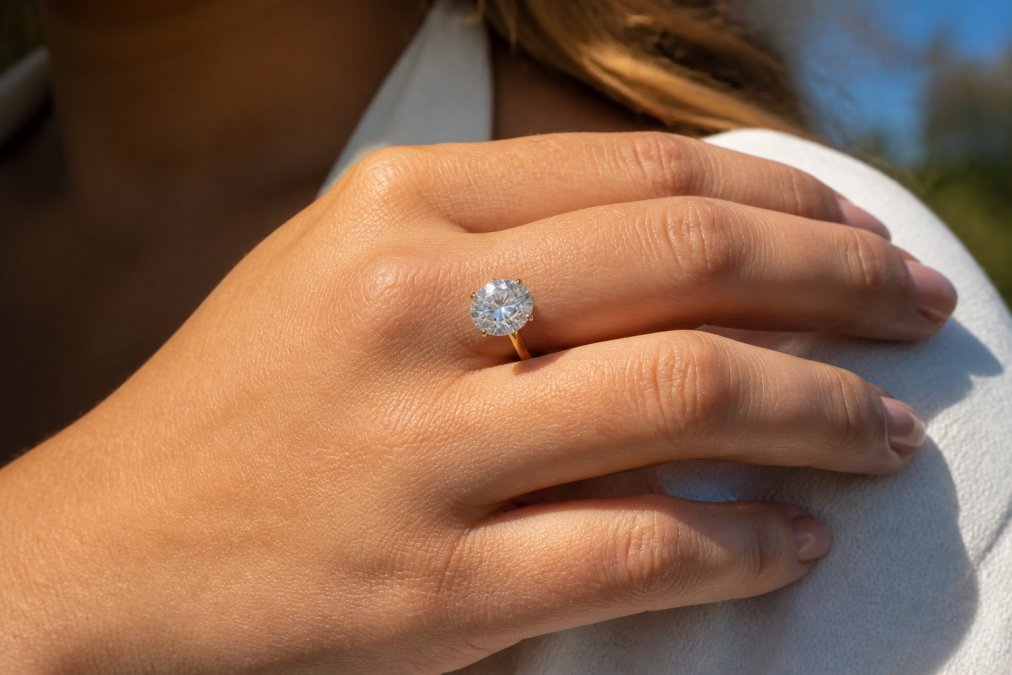
What separates ethical jewellery from greenwashing is documentation. Reputable makers provide certification papers, supply chain transparency reports, and clear sourcing information. You should be able to trace your diamond's origin and understand metal provenance before purchase. This accountability is what genuine ethical jewellery demands.
Lab-Grown Diamond Jewellery: The Modern Choice
Lab-grown diamonds are chemically, physically, and optically identical to mined diamonds, created in controlled environments rather than extracted from the earth. They're real diamonds with the same hardness, brilliance, and durability as any heirloom ring.
The environmental case is compelling. Traditional diamond mining requires significant land disruption, water consumption, and carbon emissions. Lab-grown diamonds use a fraction of the energy and water, with many now produced using renewable energy. For environmentally conscious buyers, this difference matters substantially.
Lab-grown diamonds typically cost 30-40% less than mined equivalents of comparable quality, allowing you to invest in a larger stone or allocate budget elsewhere. A 1-carat lab-grown diamond with F colour and VS1 clarity is indistinguishable from a mined equivalent.
How Lab-Grown Diamonds Compare to Mined
Your choice reflects your priorities. If environmental impact and cost efficiency drive your decision, lab-grown stones deliver on both fronts. If you value the rarity narrative or prefer a stone formed over billions of years, mined diamonds carry that historical weight, though responsibly sourced mined diamonds are increasingly difficult to verify.
Lab-grown diamonds come with identical certification standards as mined stones. Look for GIA or IGI certification, which grades colour, clarity, cut, and carat weight using identical criteria. This ensures you're comparing apples to apples regardless of origin.
Resale value traditionally favoured mined diamonds, though this gap is narrowing as lab-grown diamonds gain market acceptance. If you're buying an engagement ring as a long-term investment, understand that lab-grown stones may not command the same secondary market prices, though this matters less if you're keeping the ring for life.
1. Diamonds by Daisy: Handpicked Elegance with Assurance
Diamonds by Daisy combines meticulously handpicked gemstones with a straightforward 30-day satisfaction guarantee that removes the risk from online jewellery purchases. Each piece is crafted with precious metals selected for durability and beauty, ensuring your investment endures decades of wear.
The curation process distinguishes Diamonds by Daisy. Rather than offering endless inventory, the team handpicks each stone and metal pairing to meet exacting standards. This selective approach means higher confidence in quality across the collection. The 30-day guarantee acknowledges a reality many online jewellers ignore: sometimes a piece that photographs beautifully doesn't feel right when you wear it, and you should be able to return it without penalty.
The brand's focus on timeless elegance appeals to buyers wanting pieces that won't feel dated in five years. Vintage-inspired designs with refined aesthetics dominate the collection, complemented by contemporary options for modern silhouettes. Whether you favour art deco geometry or minimalist solitaires, you'll find something aligned with your taste.
For gift-givers, Diamonds by Daisy removes significant anxiety. The satisfaction guarantee means your gift can be exchanged or returned if needed, letting you give with confidence.
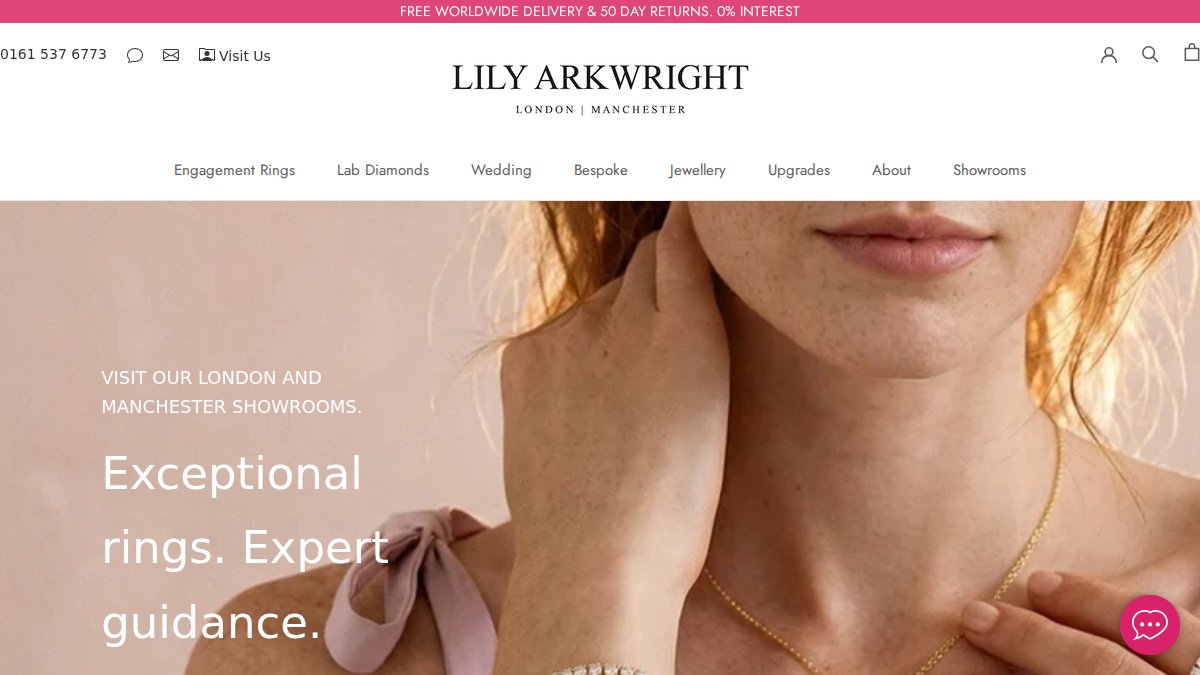
2. Lily Arkwright: Certified Lab-Grown Specialists
Lily Arkwright has built a reputation as a trusted authority on lab-grown diamonds and moissanite, offering certified stones from GIA and IGI alongside bespoke design services. Their engagement rings typically start around £1,800-£2,400 for a 1-carat F-VS1 lab-grown diamond, positioning them competitively for quality-conscious buyers.
The brand's strength lies in education paired with selection. Lily Arkwright provides detailed information about lab-grown diamond production, moissanite properties, and environmental benefits of each choice. Rather than pushing one option, they help you understand the trade-offs. Lab-grown diamonds offer identical durability and appearance to mined stones at lower cost. Moissanite, certified by Charles & Colvard, delivers exceptional sparkle and durability at an even lower price point, though it has a slightly different optical signature.
Their bespoke design service means you're not limited to existing styles. Whether you want a specific metal combination, stone shape, or setting detail, Lily Arkwright's team can create a custom piece. Award recognition from the UK jewellery industry validates their craftsmanship. They work exclusively with platinum or 18-carat gold, materials that hold value and resist wear better than lower-carat alloys.
3. Jacqueline & Edward: Handmade in Yorkshire with Recycled Metals
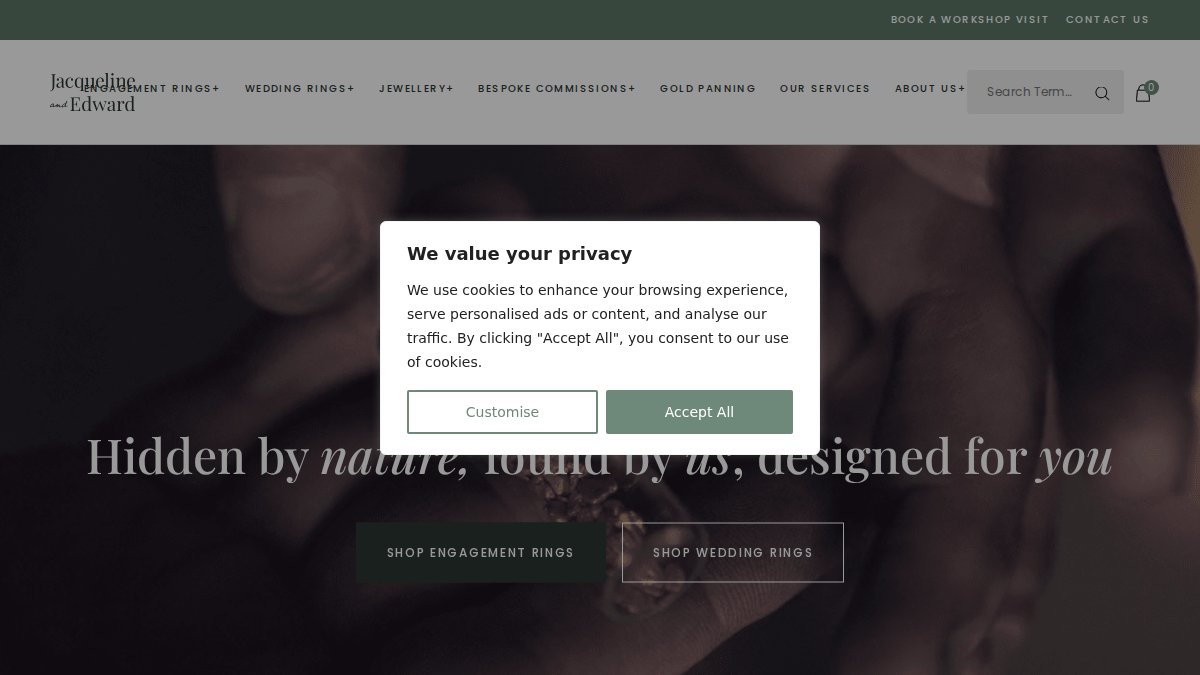
Jacqueline & Edward operates from a workshop in Wetherby, where each ring is handmade to order using recycled diamonds, lab-grown stones, moissanite, and 100% recycled precious metals. Their made-to-order model means longer lead times, typically 4-8 weeks, but guarantees a truly bespoke piece crafted specifically for you.
The brand's commitment to recycled materials is comprehensive. Rather than sourcing virgin gold or platinum, they use fully recycled metals, eliminating environmental and ethical concerns associated with new mining while delivering the same quality precious metals found anywhere else.
What makes Jacqueline & Edward distinctive is their philosophy of "slow craftsmanship." In an industry where many rings are mass-produced overseas, they create each piece by hand in their Yorkshire studio. This means imperfections are rare, customisation is straightforward, and you develop a relationship with the makers.
Their bespoke service accommodates virtually any vision. Want a vintage-inspired setting with a lab-grown diamond? A recycled gold band with moissanite? An entirely custom design? Jacqueline & Edward can execute it. Pricing for bespoke items requires a consultation, reflecting the customised nature of their work.
4. Taylor & Hart: Bespoke Ethical Rings with Sustainable Metals
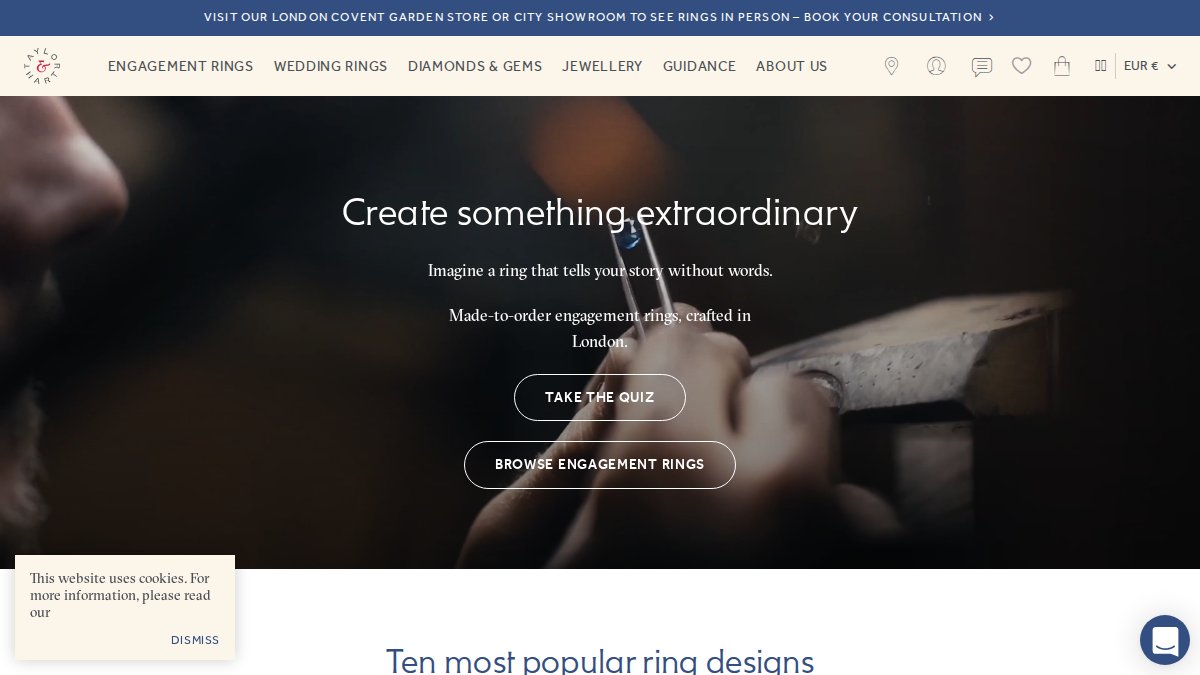
Taylor & Hart specialises in fully customised engagement rings with a sophisticated approach to ethical sourcing. They offer both natural and lab-grown diamonds, but their real differentiation lies in metal sourcing: Fairtrade Certified gold, recycled gold, and recycled platinum options that guarantee responsible origins.
Their bespoke service is comprehensive. Rather than selecting from preset designs, you work with their team to create a ring reflecting your exact vision. This includes choosing your stone type, metal composition, setting style, and finishing details. Lab-grown diamonds start around £1,800-£2,400 for a 1-carat F-VS1 stone.
What sets Taylor & Hart apart is their commitment to transitioning toward exclusively lab-grown diamonds produced with renewable energy. Even their natural diamonds comply with the Kimberley Process, though they acknowledge this standard has limitations in guaranteeing full ethical sourcing.
The Fairtrade Certified gold option is particularly valuable for buyers concerned about mining practices and worker welfare. Fairtrade certification ensures miners receive fair wages, work in safe conditions, and aren't exposed to exploitative labour practices. Their team guides you through customisation with expertise in design, materials, and gemstone selection.
5. Novita Diamonds: View 600+ Lab-Grown Stones In Person
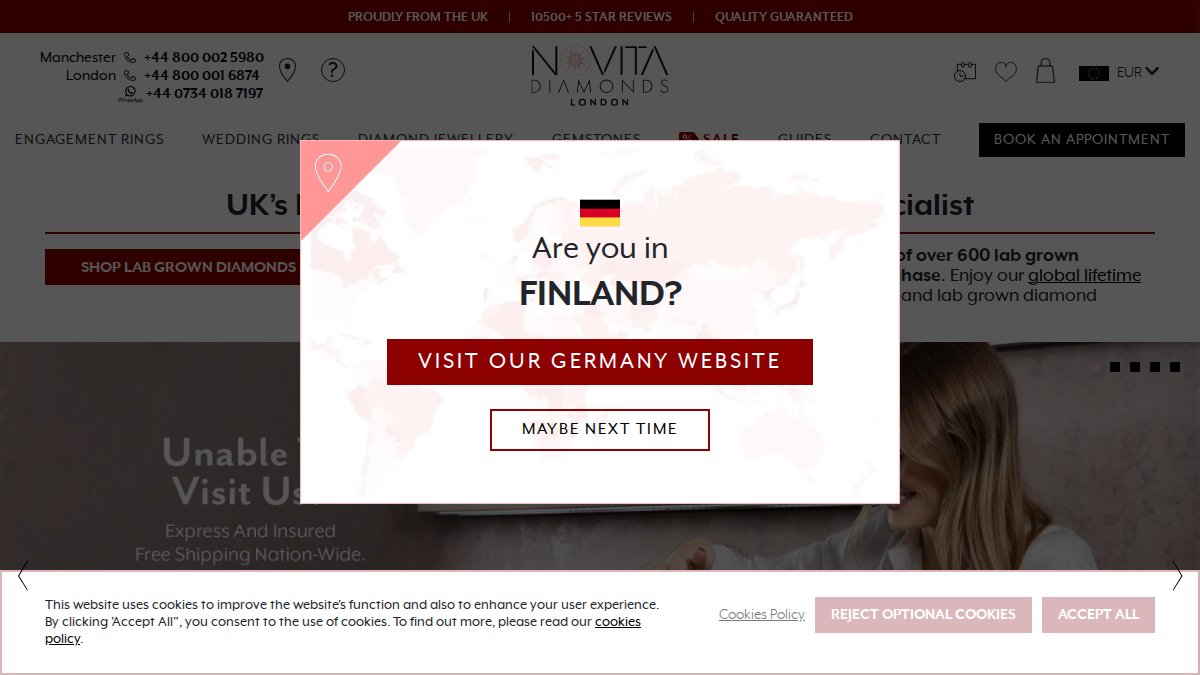
Novita Diamonds operates the largest in-person lab-grown diamond showrooms in the UK, with locations in London and Manchester where you can view and compare over 600 certified lab-grown diamonds before purchasing. This hands-on approach appeals to buyers wanting to see stones in person rather than relying solely on photographs.
The value of in-person viewing is significant. Photographs don't capture how a diamond appears under different lighting conditions or looks on your hand. Novita's showroom experience eliminates this uncertainty. Their gemmologists explain differences between stones and help you understand what you're paying for.
Novita's pricing reflects their focus on value. Lab-grown diamonds typically cost 30-40% less than mined equivalents, with their competitive pricing starting around £3,000 for a 1.50-carat oval stone. Their collection includes over 200 unique engagement ring designs.
The brand's quality guarantee and 30-day returns policy provide security for significant purchases. They also offer a global lifetime warranty. For buyers prioritising in-person viewing and expert guidance from qualified gemmologists, Novita's showroom experience is unmatched in the UK market.
6. Rachel Boston: B Corp Certified with Heirloom Diamonds
Rachel Boston is a Certified B Corporation, meaning the business meets rigorous standards for social and and environmental responsibility beyond what law requires. This certification distinguishes them from competitors making ethical claims without third-party verification.
The brand works with recycled precious metals, Single Mine Origin gold traceable to specific mines with verified practices, and Fairtrade Gold when possible. They source responsibly sourced conflict-free diamonds, including heirloom and antique diamonds, allowing you to choose a vintage stone with historical provenance, a responsibly sourced new diamond, or a lab-grown alternative.
What makes Rachel Boston particularly appealing to heritage-conscious buyers is their specialisation in heirloom diamonds. If you're repurposing a family stone or seeking a vintage diamond with character, they can incorporate it into a contemporary setting. All jewellery is crafted in the United Kingdom by their in-house workshop and specialist makers in Hatton Garden, London's historic jewellery district.
Their bespoke commissions require consultation, reflecting the custom nature of their work. For buyers seeking comprehensive ethical credentials backed by third-party certification, Rachel Boston's B Corp status provides assurance that their claims are independently verified.
How to Verify Diamond Certification and Origin
Understanding diamond certification is essential to verifying quality and origin. The Gemological Institute of America (GIA) and International Gemological Institute (IGI) are the two primary certification bodies recognised globally, using identical grading criteria: the Four Cs, carat weight, colour, clarity, and cut.
When you purchase a diamond, request a certification document from either GIA or IGI detailing the stone's specifications. Reputable sellers provide these documents as standard; if they don't, that's a red flag.
For lab-grown diamonds, certification works identically. GIA and IGI both certify lab-grown stones using the same grading standards as mined diamonds. The certification will specify whether the stone is lab-grown or natural, preventing ambiguity about what you're purchasing.
Beyond certification, traceability matters. Ask your jeweller about the diamond's supply chain. Where did it come from? If lab-grown, which facility produced it? If mined, which mine and what certifications does it hold? Reputable makers can answer these questions with specificity.
For recycled or heirloom diamonds, certification becomes trickier because older stones may lack modern documentation. Work with a jeweller experienced in vintage diamonds who can arrange independent certification if needed.
The Kimberley Process Certification Scheme aims to prevent conflict diamonds from entering the mainstream market, though critics argue it has limitations. Understanding this context helps you evaluate claims about "conflict-free" diamonds.
Choosing ethical diamond jewellery means prioritising transparency, certification, and maker credibility. Whether you select lab-grown stones for their environmental benefits, recycled metals for their reduced impact, or Fairtrade gold for its labour protections, the brands listed above demonstrate that luxury and responsibility aren't mutually exclusive. Diamonds by Daisy's handpicked approach and 30-day satisfaction guarantee remove the risk from your purchase, ensuring your investment reflects both your style and your values. Browse their curated collection and discover how ethical jewellery elevates your personal elegance with complete peace of mind.
Frequently Asked Questions
How do I know if a diamond is ethically sourced?
Look for diamonds certified by GIA or IGI, which verify origin and quality. Ask retailers for documentation proving conflict-free status or lab-grown certification. Reputable sellers like Lily Arkwright and Taylor & Hart provide full traceability. For natural diamonds, check if they comply with the Kimberley Process. For recycled or lab-grown stones, request certification papers before purchase. Brands with B Corp certification, like Rachel Boston, demonstrate comprehensive ethical standards.
What are the benefits of lab-grown diamond jewellery?
Lab-grown diamonds are chemically and physically identical to mined diamonds but cost 30-40% less. They eliminate mining's environmental impact and eliminate conflict-diamond concerns entirely. Lab-grown stones are certified by GIA and IGI, ensuring quality and authenticity. They're ideal for engagement rings, everyday wear, and bespoke designs. Many retailers like Novita Diamonds and Lark & Berry specialise in lab-grown options with modern designs and lifetime warranties.
Can I get an engagement ring made from recycled precious metals?
Yes. Many ethical jewellers use 100% recycled gold and platinum. Jacqueline & Edward handcrafts rings in their Yorkshire workshop using recycled metals. Taylor & Hart offers Fairtrade Certified gold and recycled options. Rachel Boston combines recycled metals with Single Mine Origin gold. Recycled metals reduce environmental impact and mining harm while maintaining the same quality and beauty as newly mined metals. Request recycled metal options when commissioning bespoke designs.
What's the difference between conflict-free and ethically sourced diamonds?
Conflict-free diamonds meet the Kimberley Process, preventing diamonds from funding armed conflict, but don't address broader labour or environmental concerns. Ethically sourced diamonds go further, ensuring fair wages, safe working conditions, and minimal environmental damage. Lab-grown diamonds bypass these issues entirely by avoiding mining. Retailers like Diamonds by Daisy and Taylor & Hart source both conflict-free natural diamonds and lab-grown alternatives, offering transparency on sourcing methods and certifications for each option.
This article was written using GrandRanker