

Tennis Necklace Styling, Georgia's Day to Night Outfit Recipes
Wear a single 16 to 18-inch tennis necklace at the collarbone for instant polish on any outfit, from a T-shirt to a cocktail dress. Keep the carat total under 10 for everyday rotation, and if you layer, leave at least 2 inches of visible separation between strands so they don’t tangle. Before you wear it daily, check that the setting is bezel or channel style, and confirm the clasp closes securely every time you put it on.
TL;DR:
- Keep the total carat weight under 10 for everyday layering, and opt for bezel or channel settings to ensure durability with frequent wear.
- The most versatile tennis necklace length is 17 to 19 inches, as it suits a wide range of necklines and fits most body frames comfortably.
- Layer necklaces with at least 2 inches of space between strands and choose contrasting textures to prevent clumping and create a deliberate look.
- Match metal tones to skin undertones or existing jewelry, but mixing metals and textures has become a common and stylish choice in 2026.
- Regular cleaning with a lint-free cloth and mild detergent is recommended, and necklaces should be removed during activities involving impact or chemicals.
Table of Contents
- Tennis Necklace Styling for Day and Evening Outfits
- Layering Rules That Keep Multiple Necklaces Looking Intentional
- Which Necklace Length Actually Suits Your Neckline
- How Much Sparkle Is Right for the Occasion
- Caring for a Tennis Necklace You Actually Wear Often
- Stylist Georgia’s Go-To Outfit Recipes
- Choosing Metal Tones for Your Skin and Wardrobe
- Styling a Tennis Necklace Around Different Hairstyles
- Why the Tennis Necklace Has Stayed Relevant for a Century
- Georgia’s Take: Why This Piece Earns Its Keep
- Find Your Everyday Tennis Necklace at Diamondsbydaisy
- Sources
- FAQ
Tennis Necklace Styling for Day and Evening Outfits
A tennis necklace works because it sits at the collarbone, where a 16 to 18-inch length catches light against bare skin without competing with a neckline. That single detail explains why the same piece looks right with a white tee and wrong with a turtleneck.
Here are pairings worth copying, sorted from casual to formal:
- White T-shirt, straight-leg denim, and a 16-inch princess-length necklace. The plain cotton acts as a frame, so the sparkle reads as the outfit’s whole idea rather than an accessory afterthought.
- Open-collar button-down with a blazer, no other jewelry. The V of the collar mimics the necklace’s natural drape, and skipping earrings keeps the eye on one focal point.
- Cashmere crewneck with the necklace worn on top of the fabric. Wool texture against faceted stones creates contrast that a silky top can’t match.
- Slip dress or little black dress with a graduated rivière style. Bare shoulders and a scooped neckline give the stones room to sit flat and catch movement.
- Off-the-shoulder or strapless evening gown with a bolder carat total. This is the one scenario where going up in size actually reads as intentional rather than excessive.
- Simple blouse tucked into trousers, minimal stud earrings. Studs respect the 2:1:1 ratio that keeps one piece dominant instead of competing pieces canceling each other out.
- Turtleneck sweater with the necklace worn over the collar. This is the rare exception to the “avoid high necklines” rule, since the fabric edge gives the strand a visible ledge to rest on.
Stylists consistently point to juxtaposition as the formula that makes this piece so versatile: refined sparkle against plain fabric reads as polish, not excess. That’s why denim and cotton outperform sequins or lace as a backdrop.
Layering Rules That Keep Multiple Necklaces Looking Intentional
The most common layering mistake is choosing two chains that are nearly the same length. When strands sit very close together, they merge into one confused cluster instead of two distinct pieces.
Follow this sequence when building a layered look:
- Start with your tennis necklace at 16 inches as the anchor piece.
- Add a second chain at 18 or 20 inches, giving you the 2-inch separation that keeps each strand visible on its own.
- Choose a contrasting texture for the second piece — a curb chain, a paperclip link, or a strand of pearls all read as deliberate rather than repetitive.
- Let one piece dominate. If the tennis necklace is your focal point, the second chain should be thinner or simpler, not another statement piece.
- Test the combination seated, then standing, then moving your head side to side. Necklaces that look separated in a mirror can overlap the moment your neckline shifts, so check the layers in motion before you leave the house.
Mixed metals within a layered set have become a deliberate styling choice rather than a mistake to avoid, and longer cords and textured chains are showing up alongside classic diamond strands throughout 2026, which gives you more room to experiment than the matched-metal rules of a decade ago allowed. For a deeper walkthrough of chain combinations, Diamondsbydaisy’s guide on how to layer necklaces covers additional length pairings.
Pro Tip: Clip both necklaces to your bra strap or a small jewelry magnet at the back before you leave the house. It stops the shorter strand from sliding forward and tangling with the longer one throughout the day.

Which Necklace Length Actually Suits Your Neckline
Length choice isn’t about personal preference as much as it is about geometry. A choker length, sitting at 14 to 16 inches, hugs the base of the neck and works best with off-shoulder tops, boat necks, and strapless dresses where there’s no collar to compete with it.
Princess length, the 17 to 19-inch range most tennis necklaces are sold in, lands at or just below the collarbone. It’s the most versatile length because it works with crew necks, V-necks, scoop necks, and button-downs without disappearing into the fabric or crowding the throat.
Matinee length, running 20 to 24 inches, sits lower on the chest and pairs better with higher necklines like turtlenecks or crewneck sweaters, where a shorter chain would get lost in the fabric.
A few adjustment notes worth remembering:
- Petite frames often look best in choker or princess lengths, since longer chains can visually shorten the torso.
- Taller frames can carry matinee lengths without the necklace looking like it’s dragging the eye downward.
- Deep V-necks flatter almost any length because the exposed skin gives the chain room to sit without touching fabric.
- High necklines need either a shorter choker resting above the collar or a longer matinee piece worn outside the sweater.
Whatever length you land on, sit down and move around in it before deciding it’s the one. A necklace that sits perfectly while you’re standing in front of a mirror can shift position entirely once you’re in a chair. Diamondsbydaisy’s guide on matching jewelry to necklines breaks down more neckline-specific combinations if you want a deeper reference.
How Much Sparkle Is Right for the Occasion
Carat total is the real lever for how bold a tennis necklace reads, and getting it wrong is the easiest way to either underdress or overdress for the moment.
- Under 10 carats total is the comfortable, layerable range for everyday wear. It reads as polish rather than announcement, and it’s light enough to layer without looking crowded.
- 10 to 20 carats total makes a strong standalone statement, best worn alone rather than layered, for dinners, work events, or date nights.
- 20-plus carats total is statement-level territory, suited to formal events like weddings or galas where the whole outfit is built around it.
Setting type matters just as much as carat count for how the piece performs day to day. Prong settings expose more of the stone to light, which maximizes brilliance but also increases snag risk on sweaters, scarves, and car seatbelts. Bezel and channel settings surround the stone with metal, sacrificing a bit of sparkle for meaningfully better durability against daily wear and tear.
Run through this before wearing any tennis necklace regularly:
- Check the clasp closes fully and doesn’t spring open under light tension.
- Inspect prongs for bending or looseness every few weeks if you wear it several times a week.
- Choose bezel or channel settings for pieces you plan to wear daily, saving prong settings for occasional evening use.
Diamondsbydaisy’s guide to choosing carat weight walks through how perceived size changes with setting style, which is worth a read before buying your first piece.
Caring for a Tennis Necklace You Actually Wear Often
Frequent wear means frequent exposure to lotion, sweat, and fabric friction, all of which build up on stones and settings faster than most people expect. The GIA recommends cleaning with a lint-free cloth, mild detergent, and warm water at home, and holding off on ultrasonic or steam cleaners until a professional has examined the setting first.
Take the necklace off before:
- Working out, playing sports, or any activity involving repeated impact.
- Heavy lifting or manual work where the clasp could catch on something.
- Washing dishes, gardening, or other wet work that exposes metal to chemicals.
- Sleeping, since tossing and turning puts steady pressure on the clasp overnight.
Store it flat or hanging rather than balled up in a drawer, and give the prongs and clasp a quick visual check every few weeks. Diamondsbydaisy’s step-by-step cleaning guide covers the exact at-home process if you want a walkthrough beyond the basics.
Stylist Georgia’s Go-To Outfit Recipes
- Denim day: White tee, straight-leg jeans, 16-inch tennis necklace, no earrings. The plainness is the point.
- Office polish: Silk blouse under a blazer, princess length worn outside the collar, small gold hoops.
- Dinner out: Slip dress, 18-inch tennis necklace layered with a 16-inch curb chain, one cocktail ring.
- Big event: Off-shoulder gown, a bolder carat total worn solo, stacked bangles kept to one wrist only.
- Buying tip: For anything you’ll wear weekly, ask about the setting type and clasp style before buying. Bezel settings and secure lobster clasps hold up far better than delicate prongs under daily friction.
Pro Tip: Layer the curb chain first, then settle the tennis necklace on top last. It naturally falls into the front position and stays there.
Choosing Metal Tones for Your Skin and Wardrobe
Skin undertone is a reasonable starting point for metal choice, but it’s not the only variable worth weighing. Warmer undertones with golden or olive hints tend to look flattering against yellow or rose gold, while cooler undertones with pink or blue hints often pair well with white gold, platinum, or sterling silver.
That said, plenty of people wear either tone successfully. Contrast can work in your favor: a cool-toned wrist against warm gold can look deliberate rather than mismatched, especially when the rest of the outfit’s hardware, buttons, or zippers pick up the same metal. Consider what’s already in your jewelry box before buying a new tennis necklace, since matching an existing collection often matters more than chasing a “correct” undertone match. If your everyday pieces are mostly gold, a white gold tennis necklace will either need styling around or occasional standalone wear rather than constant layering.
The sterling silver and diamond route tends to suit people who gravitate toward cooler tones or minimalist wardrobes, while everyday gold pieces work well for warmer palettes or anyone building out a stack of layered chains. Mixed metal layering, once considered a styling mistake, is now common enough that you can genuinely choose based on what you already own rather than strict undertone rules.
Styling a Tennis Necklace Around Different Hairstyles
Hair length and style change how much of the necklace is actually visible, which matters more than most people realize when getting dressed.
Long hair worn down covers the upper portion of the chest, so a choker length often disappears under loose strands. Pulling hair into a low ponytail, bun, or half-up style exposes the collarbone fully and lets a princess or choker length register the way it’s meant to.

Short hair and pixie cuts leave the neck and collarbone exposed regardless of styling, which means almost any length works, though a slightly longer matinee piece can balance a very short cut by adding visual length below the jaw.
For updos at formal events, a shorter choker length often reads best since it sits above where an updo naturally exposes the neck, letting the necklace become the focal point rather than competing with an elaborate hairstyle. If you’re wearing hair down for the same event, size up slightly to a princess length so the piece isn’t lost against loose strands.
Why the Tennis Necklace Has Stayed Relevant for a Century
The tennis necklace gets its name from a moment on a tennis court in the 1980s, though the row-of-diamonds design existed decades earlier as a rivière necklace worn by women in formal European society. The style resurfaced under its current name after a professional tennis player’s diamond necklace reportedly came loose during a match, and the phrase stuck.
What’s kept it relevant for a century isn’t nostalgia. It’s that the design solves a real styling problem: a continuous line of stones reads as elegant whether it’s paired with a ball gown or a pair of jeans, because the repetition of identical stones creates a graphic, almost architectural line rather than a single ornate focal point. That’s a different visual logic than a pendant or statement necklace, which draws the eye to one spot. A tennis necklace draws the eye along a line instead, which is part of why it layers so easily and works across such a wide range of necklines.
Understanding that history changes how you might style it. Because the design was never meant to be precious or occasion-only, treating it as an everyday piece rather than saving it exclusively for formal events is closer to its original spirit than a modern habit.
Georgia’s Take: Why This Piece Earns Its Keep
A tennis necklace rewards you for wearing it constantly, not for saving it. The measured sparkle photographs well, layers easily, and works as a gift precisely because it flatters almost anyone who receives it.
— Georgia
Find Your Everyday Tennis Necklace at Diamondsbydaisy
Some retailers offer tennis necklaces curated for daily wear rather than sorted through an overwhelming catalog of generic pieces. Every piece in the Jewelry & Elevated Accessories collection is selected with the setting and clasp questions covered above already in mind, so you’re not left guessing whether a piece will hold up to weekly wear.
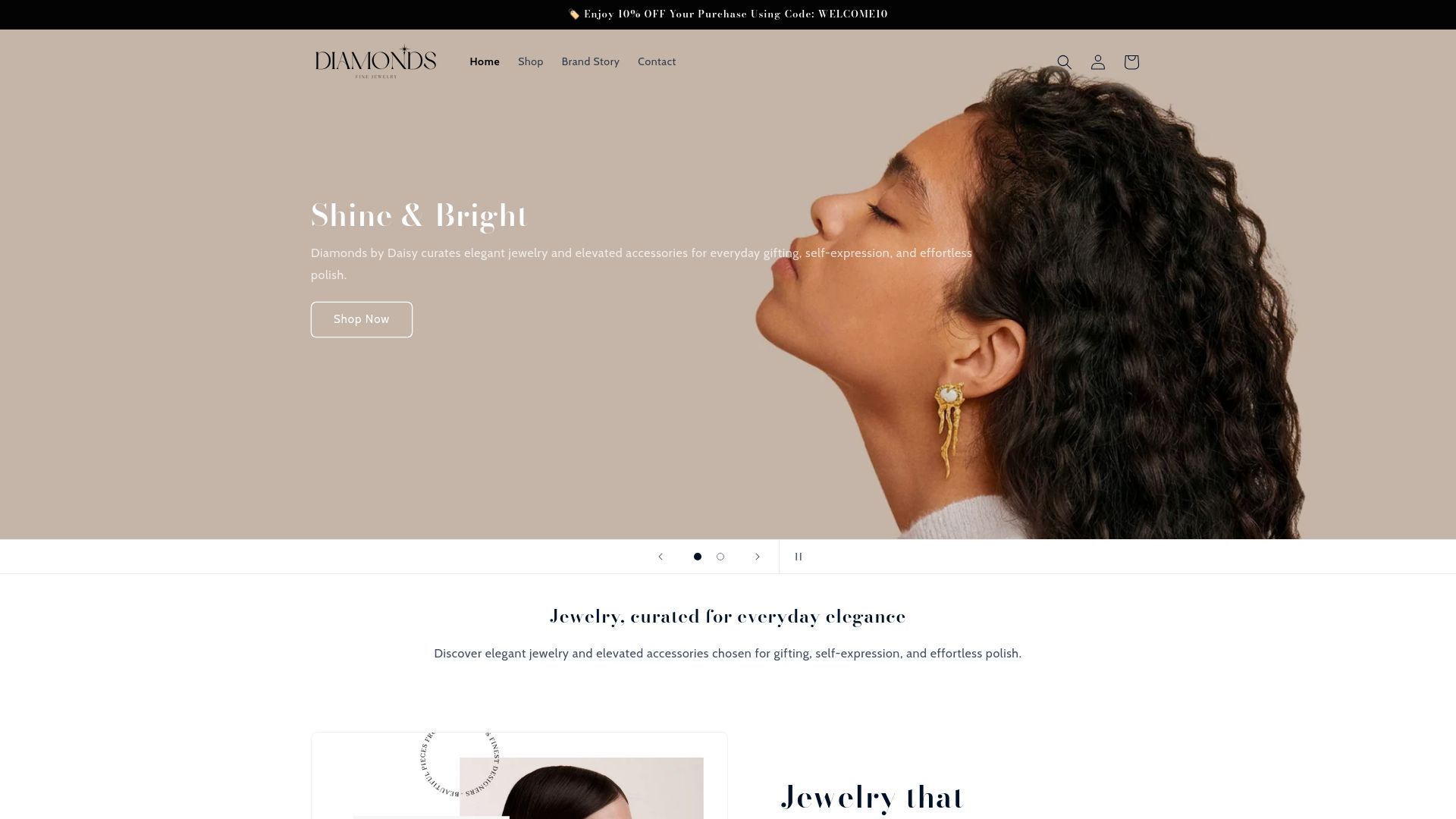
Browse the Everyday Jewelry selection to compare bezel and prong options side by side, and if you’re shopping for a gift, the gifts for her collection groups pieces by occasion so you’re not stuck guessing carat totals for someone else’s taste. It is advisable to inquire about setting and clasp details before purchasing, especially for pieces intended for frequent wear.
Sources
- Tennis Necklace 101: How to Wear & Style a Stunning Favorite
- Diamond care and cleaning (GIA)
- Here’s why the tennis necklace earned its timeless status (Forbes)
- Pendant cord necklace trend (Vogue)
FAQ
How Can I Style a Tennis Necklace?
Wear it alone at the collarbone with a princess length around 16 to 18 inches for the most versatile everyday look. Pair it with plain fabrics like denim or cotton for contrast, and if you layer, keep at least 2 inches of separation between strands.
What Is the 2:1:1 Rule in Jewelry?
The 2:1:1 rule is a proportion guideline suggesting you pick two dominant pieces (like a necklace and earrings) and one supporting accent (a ring or bracelet), rather than layering multiple statement pieces at once. It keeps a tennis necklace as the focal point instead of competing with equally bold rings, bracelets, and earrings all at once.
What Are the Necklace Trends for 2026?
Longer cords, textured chains, and mixed-metal layering are showing up alongside classic diamond strands throughout 2026. A single tennis necklace paired with one longer, textured chain is one of the more current ways to update a classic piece without replacing it.
Can You Wear a Tennis Necklace All the Time?
Yes, with a few precautions. Choose a bezel or channel setting for daily durability, remove it for sports, wet work, and sleep, and follow GIA’s cleaning guidance using a lint-free cloth and mild detergent rather than an unexamined ultrasonic cleaner.