

Rhodium Plated Jewelry: 6 Months–3 Years Wear, $30–$120 Replating
Rhodium plating is a thin electroplated layer, usually 0.05 to 0.5 microns thick, applied over white gold, silver, or base metal to make jewelry look brighter and resist scratches. It’s a genuinely good finish for the first year or two. The trade-off is that it’s a coating, not the metal itself, so it wears thin and eventually needs replating.
TL;DR:
- Rhodium plating typically lasts between six months and three years depending on the item’s wear frequency and the thickness of the layer applied.
- Replating costs usually range from $30 to $120, with rings needing more frequent attention due to constant friction and contact.
- Proper initial cleaning, gentle daily care, and storing in a soft, separate pouch significantly extend the plating’s lifespan.
- Wear signs include color shifts toward yellow or gray in high-contact areas, indicating the underlying metal is exposed.
- Asking about plating thickness and base metal before purchase can greatly influence how long the jewelry maintains its appearance.
Table of Contents
- What is rhodium plating?
- Benefits and downsides of rhodium-plated jewelry
- How long does rhodium plating actually last?
- How is rhodium plating actually applied?
- Practical care to extend rhodium plating life
- How can you tell when rhodium plating has worn off?
- A seller’s view on plated pieces that hold up
- What people get wrong about rhodium plating
- Find rhodium-plated pieces built with the right prep
- Sources
What is rhodium plating?
Rhodium plating is an electroplating process. A piece of jewelry gets dipped in a rhodium solution, and an electrical current binds a microscopically thin layer of rhodium metal to the surface. That layer typically runs 0.05 to 0.5 microns, though pieces meant for heavy daily wear sometimes get plated closer to 1.0 micron for extra durability.
Rhodium plating shows up most often on three types of jewelry, and each reacts to it a little differently:
- White gold, where rhodium locks in a bright, consistent white tone across different alloy mixes
- Sterling silver, where it adds shine and slows down tarnish
- Fashion or base metal pieces, where it mimics the look of precious white metal at a lower cost
None of this changes what’s underneath. A ring stamped 14K white gold is still 14K white gold once the plating wears away, and a rhodium-plated silver piece is still silver at its core. The plating is a surface finish, not a metal substitution, and the hallmark stamped inside a ring band reflects the base metal, never the coating on top of it.
That’s actually the whole reason designers reach for rhodium in the first place. White gold, on its own, often carries a faint yellow or gray undertone depending on the alloy. Rhodium is naturally brighter and cooler than most white gold blends, so plating gives jewelers a way to guarantee the same crisp white look no matter which alloy went into the piece.
Benefits and downsides of rhodium-plated jewelry
The appeal is obvious the moment you see it under decent light: rhodium throws back a sharper, colder white than most base metals manage on their own. That reflectivity is why plated engagement rings and white gold earrings tend to photograph so well straight out of the box.
The practical benefits go beyond looks:
- Scratch resistance. Rhodium is a hard metal, so it adds a temporary buffer against everyday scuffs.
- Tarnish delay. On sterling silver especially, the plating slows the oxidation that causes silver to dull and darken.
- Consistent color. It smooths out alloy variations, so two rings from different batches look identical.
Now the downsides. The layer wears. That’s not a manufacturing flaw, it’s just physics: a coating a few microns thick can’t survive years of friction the way solid metal does. Once it wears through on a silver piece, the exposed silver underneath can tarnish on its own, which sometimes surprises people who assumed rhodium made a piece permanently tarnish-proof. Replating costs money and doesn’t add resale value, since the underlying metal never changes.
One more thing worth flagging: rhodium itself is hypoallergenic. If you have a nickel sensitivity, though, that protection only lasts as long as the plating does. Once it thins out on a nickel-alloy piece, skin contact with the base metal can trigger the same reaction rhodium was masking.
Pro Tip: If you have sensitive skin, ask what the base alloy is before you buy. A rhodium-plated piece over a nickel-free alloy stays safe to wear even after the plating fades. One over a nickel alloy does not.
How long does rhodium plating actually last?
Lifespan depends almost entirely on where the piece sits on your body and how much friction it takes. Pendants and earrings barely touch anything, so they can hold their shine for several years before showing wear. Rings and bracelets take constant abuse from hands, keyboards, gym equipment, and fabric, so they often need attention within six months to three years.
A few factors push that timeline in either direction:
- Layer thickness at manufacturing. A 0.5 micron plate simply outlasts a 0.05 micron one, all else equal.
- Skin chemistry. Higher skin acidity accelerates wear on some people more than others.
- Cleaning habits. Frequent contact with lotions, soaps, and chlorinated water speeds up erosion.
- Daily friction. Ring shanks and clasp tongues take the brunt of it; flat pendant surfaces barely notice.
Budget for replating as a recurring cost, not a one-time expense. Typical consumer pricing for a standard piece runs roughly $30 to $120, and rings almost always need it sooner than earrings or necklaces do. Partner guidance from Blackwell Jewellers on white gold rings backs up that same pattern: expect more frequent replating on anything worn daily on the hand.
How is rhodium plating actually applied?
Getting a clean, even plate takes more steps than most buyers assume, and skipping any one of them shows up later as uneven wear. A typical shop workflow looks like this:
- Clean and degrease the piece thoroughly, removing oils, polish residue, and old plating remnants.
- Activate the surface with a mild acid bath, which preps the metal to bond properly with rhodium.
- Submerge the piece in a rhodium plating bath using a platinized anode, running current at roughly 1.7 to 2.2 volts.
- Hold it in the bath for a controlled window, commonly just two to three minutes for the rhodium layer itself.
- Rinse and dry the piece before final polishing.
The actual plating step is fast. What takes real time and skill is everything around it. A jeweler who rushes the cleaning or activation stage ends up with uneven adhesion, which shows up as premature wear or dull patches within months instead of years. That’s why the prep matters as much as the bath, and why cheap, rushed replating jobs rarely hold up as long as ones done right.
Practical care to extend rhodium plating life
Small habits add up fast when you’re dealing with a coating measured in microns. Take the ring off before the gym, before doing dishes, before applying lotion or perfume. All of that friction and chemical exposure chips away at the plating faster than normal wear alone.
For cleaning, keep it simple:
- Use mild soap, warm water, and a soft brush or cloth
- Avoid ammonia-based cleaners, toothpaste, and anything abrasive
- Dry the piece completely before putting it away
- Wipe with a microfiber cloth after wearing to remove skin oils
Storage matters more than people expect. Keep rhodium-plated pieces in a soft, separate pouch rather than tossed in a drawer with other jewelry, since metal-on-metal contact scratches the plating fast. A low-humidity spot away from a bathroom or windowsill also helps, since moisture speeds up wear on the underlying metal once the plating thins.
Pro Tip: Store rings and bracelets separately from earrings and pendants. The pieces that get the most daily friction shouldn’t be rattling around next to your most delicate items.
For deeper cleaning guidance on specific pieces, Diamondsbydaisy’s guide on caring for handcrafted gold jewelry and this walkthrough on cleaning a delicate diamond necklace at home both cover safe methods step by step. If a piece looks dull no matter how carefully you clean it, that’s usually your sign the plating itself is gone, not that you’re doing something wrong.
How can you tell when rhodium plating has worn off?
Look at the high-contact spots first: ring shanks, prong tips, the underside of a bracelet, and clasp tongues. These wear faster than flat surfaces because they rub against skin, clothing, and other jewelry constantly. A color shift toward yellow or gray at these points, while the rest of the piece stays bright white, is the clearest sign the coating has thinned through to the base metal.
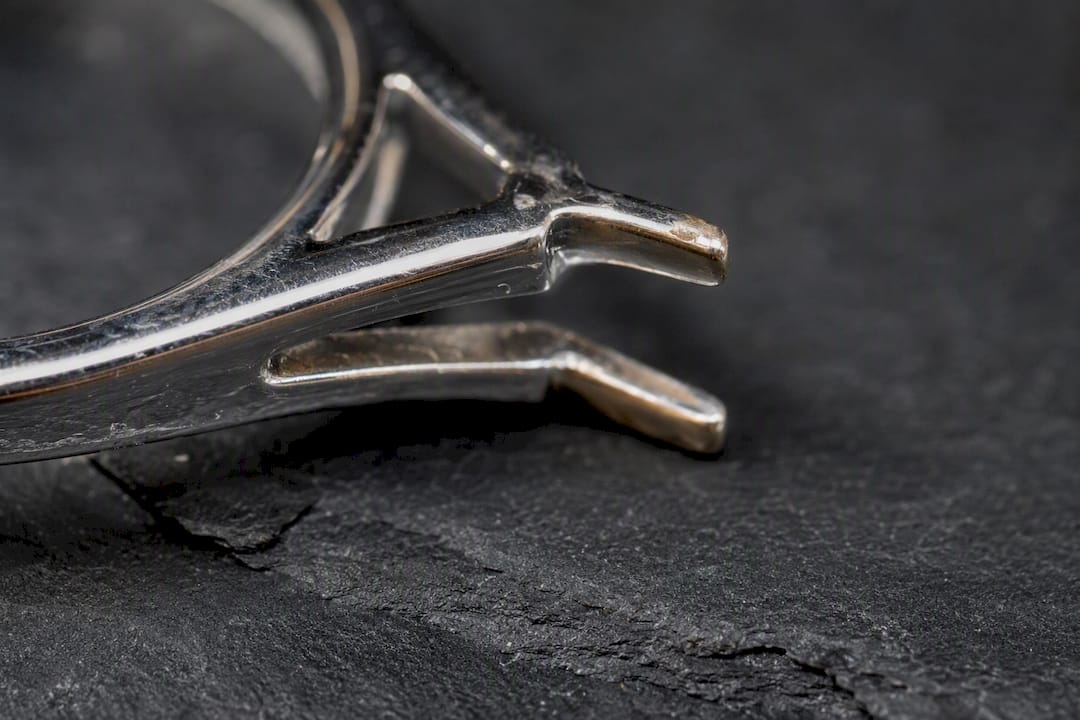
A quick trick: compare the inside of a ring band, which usually stays protected longer, against the outer shank. If the inside still looks brighter and whiter than the outside, that contrast confirms it’s plating wear, not a flaw in the metal itself.
At that point you have three options:
- Replate the piece to restore the original bright white finish
- Have it professionally polished if the wear is minor and mostly cosmetic
- Live with the underlying alloy color, which for higher-karat white gold isn’t drastic
Turnaround for professional replating is usually a few days to a week, with cost tracking the $30 to $120 range mentioned earlier depending on piece size and complexity.
A seller’s view on plated pieces that hold up
Working with plated jewelry day in and day out teaches you fast which pieces are built to last and which ones are cutting corners on prep. At Diamondsbydaisy, that’s shaped how we think about sourcing and describing our own plated pieces, like this sterling silver pendant with a yellow gold plate, where we’re upfront about what’s plated and what isn’t.
If you’re specifically shopping rhodium-plated silver, our guide on caring for rhodium-plated silver walks through the specifics in more depth than a general care page can. And for readers dealing with worn plating on silver right now, Urbalenti’s guide to cleaning sterling silver safely is a solid resource for the exposed-metal stage.
What people get wrong about rhodium plating
Most of the disappointment I see around rhodium plating comes from a mismatch between expectation and physics. People treat a plated piece like it’s permanently upgraded to a different metal, then feel cheated when the shine fades on schedule. It’s not a defect. A coating a fraction of a micron thick was never going to survive years of ring-on-keyboard friction, and no amount of gentle care fully stops that clock, though it slows it down meaningfully.
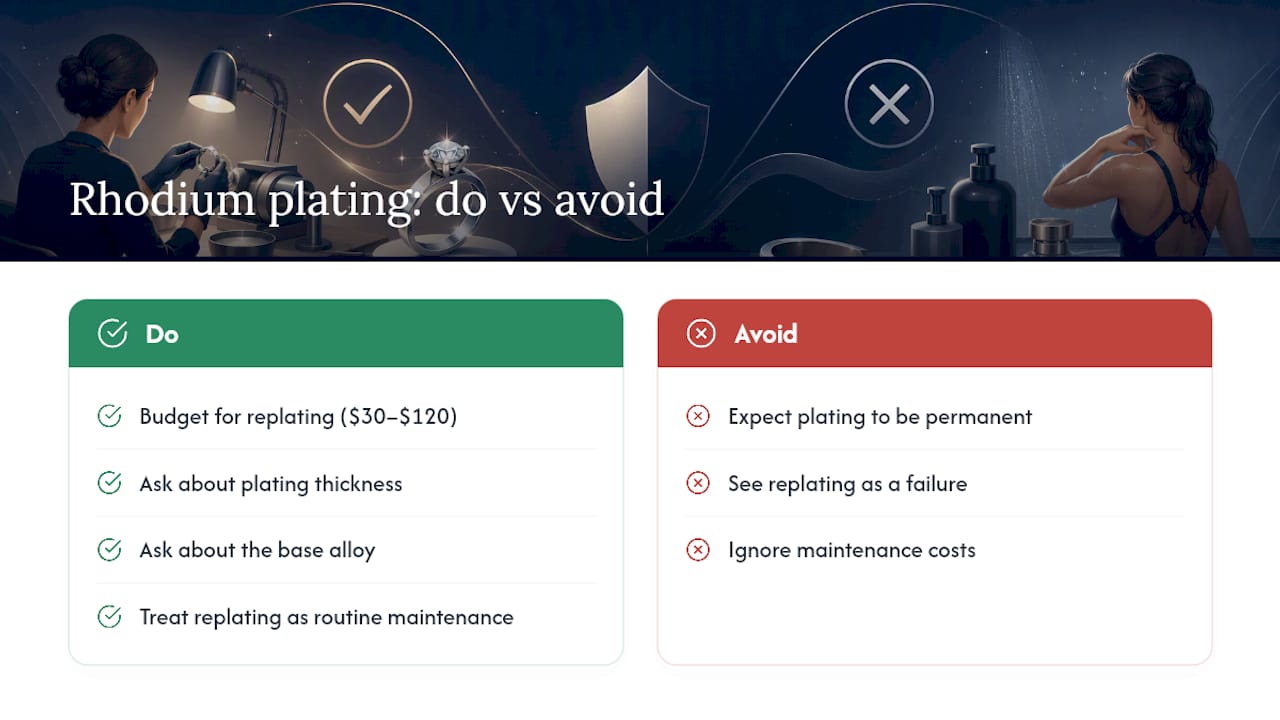
Where I think most buying advice falls short is treating replating as a failure state instead of routine maintenance, the same way you’d budget for resoling a good pair of leather shoes. Build the cost into your expectations from the start, at roughly $30 to $120 per replate, and rhodium plating stops feeling like a letdown and starts looking like what it actually is: a smart, affordable way to keep a piece looking sharp, with an honest maintenance schedule attached.
The single most useful thing a buyer can do is ask about plating thickness and base alloy before purchasing, not after the shine wears off. That single question tells you more about how a piece will age than almost anything else on the tag.
— Georgia
Find rhodium-plated pieces built with the right prep
Not every plated piece is built the same. A lot of it comes down to whether the seller actually controls for cleaning, activation, and bath quality before the rhodium ever touches the metal, and whether they’ll tell you the truth about what’s underneath. Diamondsbydaisy sources and describes every plated piece with that transparency front and center, so you know exactly what you’re buying and how to keep it looking sharp.
Our sterling silver and diamond jewelry collection includes rhodium-plated pieces chosen for solid base metals and finishes that hold up to daily wear, not just studio lighting. If you’re shopping for something with everyday durability in mind, browse the collection and check piece details for plating and base metal information before you buy. It’s the fastest way to know what you’re getting into, and how long that shine is realistically going to last.
Sources
- Rhodium Plating Precious Metals Glossary
- Velvetmatter
- A Step-by-Step Guide on Rhodium Plating Jewellery - The Bench
- What Is Rhodium-Plated Jewelry? A Complete Guide