

How to Choose Timeless Anniversary Jewellery
Table of Contents
- Understanding Anniversary Milestones and Jewellery Significance
- Traditional Anniversary Jewellery Gifts by Year
- How to Identify High-Quality Fine Jewellery
- Best Precious Metals for Daily Wear
- Selecting Timeless Design Over Trend
- Resale Value and Investment Potential
- Ethical Sourcing, Insurance, and Long-Term Care
- How to Choose Timeless Anniversary Jewellery: Your Decision Framework
Last Updated: August 23, 2026
Understanding Anniversary Milestones and Jewellery Significance
Anniversary jewellery marks moments worth commemorating with pieces as enduring as the relationships they celebrate. Each year holds symbolic meaning, and the jewellery you choose should reflect both the milestone and the personal story behind it.
This guide walks you through identifying and selecting pieces that become heirlooms rather than forgotten purchases.
Traditional Anniversary Jewellery Gifts by Year
Different anniversary years carry traditional material associations. The first anniversary traditionally calls for delicate, understated pieces in silver or white gold with smaller gemstones. Fifth anniversaries centre on sapphires, offering deep colour and genuine durability. Tenth anniversaries traditionally feature diamond jewellery, often when couples upgrade their original engagement pieces.
Twenty-five years (silver anniversary) and fifty years (gold anniversary) have clear jewellery parallels: silver pieces suit the 25-year mark, while gold dominates the 50-year celebration. Thirty, forty, and sixty-year anniversaries traditionally align with pearl, ruby, and diamond respectively.
Rather than treating these traditions as rigid rules, consider them starting points. The most meaningful piece resonates with your personal style and the relationship you're commemorating.
How to Identify High-Quality Fine Jewellery
Quality in fine jewellery rests on several measurable factors that prevent costly mistakes and ensure genuine value.
Hallmarks and Precious Metal Standards
Every precious metal jewellery piece carries hallmarks, small stamps indicating metal type and purity. These marks are your first quality checkpoint.
Gold jewellery uses karat measurements. 18-karat gold contains 75% pure gold mixed with alloy metals for durability, making it ideal for everyday anniversary pieces. 14-karat gold (58.3% pure) offers slightly more durability but less precious metal content. 9-karat gold (37.5% pure) is durable but contains less gold.
Platinum hallmarks typically show 950 or 900, indicating 95% or 90% pure platinum. Platinum is significantly denser than gold and wears exceptionally well over decades. Sterling silver marked 925 contains 92.5% pure silver but is softer than gold or platinum, making it less ideal for daily wear pieces.
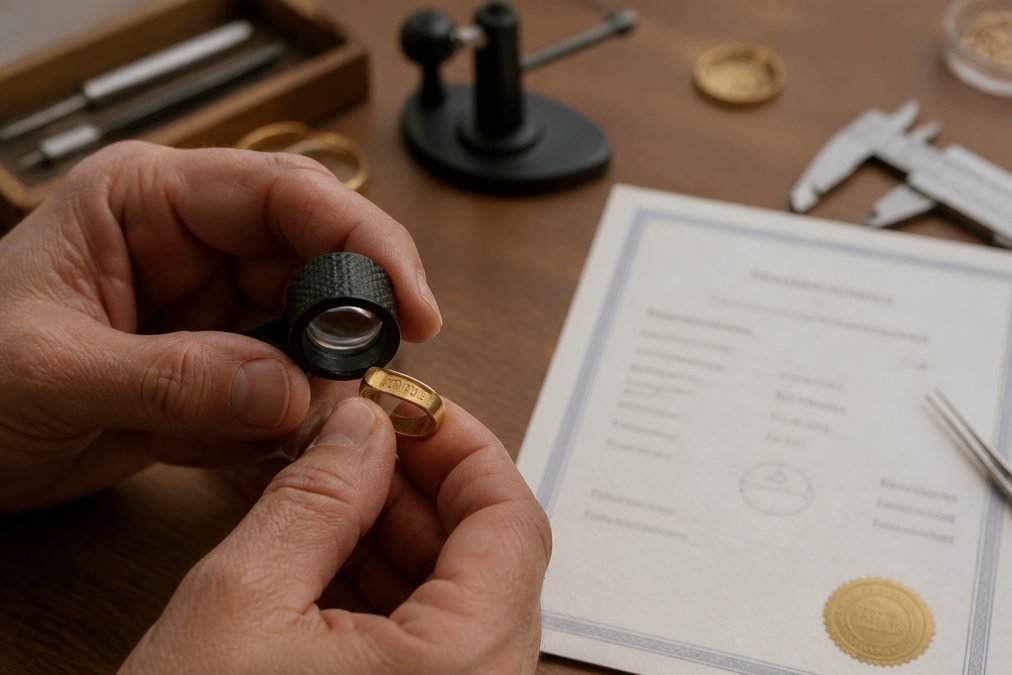
Look for hallmarks on the inner band or clasp. Legitimate retailers provide certification documents showing metal purity. If a piece lacks clear hallmarks or documentation, question its authenticity.
Gemstone Clarity, Cut, and Certification
For diamond and precious stone jewellery, certification from independent gemological institutes provides objective quality assessment. The Gemological Institute of America (GIA) and other recognised laboratories grade stones against consistent standards.
Diamond clarity grades range from Flawless through to Included. For timeless pieces, VS1 or VS2 clarity offers excellent visual purity without premium costs. Cut quality determines how light reflects through the stone, a well-cut diamond sparkles noticeably more than a poorly cut one. Excellent or Very Good cut grades ensure the stone performs beautifully across different lighting conditions.
Colour grading for diamonds runs from D (colourless) through Z (light colour). For classic pieces, D through H grades maintain the neutral aesthetic most associate with fine diamonds. Precious gemstones like sapphires, rubies, and emeralds don't follow standardised grading systems, but reputable jewellers provide documentation on origin, treatment, and quality assessment.
Best Precious Metals for Daily Wear
The metal you choose affects both longevity and aesthetic across different seasons and occasions.
Platinum stands as the most durable choice for everyday anniversary jewellery. It's naturally hypoallergenic, doesn't require replating, and becomes more lustrous with age and wear. Platinum's density means it holds gemstones exceptionally securely. The trade-off is cost, platinum typically costs two to three times more than gold.
18-karat yellow gold offers warmth and traditional elegance. It's durable enough for daily wear, though it requires occasional professional polishing. Yellow gold pairs beautifully with most skin tones and works across vintage and contemporary styling.
White gold (typically 18-karat) provides platinum's cool aesthetic at a lower price point. However, white gold requires periodic rhodium replating to maintain brightness. Rose gold offers genuine versatility for styling and doesn't require replating. Palladium, a white metal similar to platinum but lighter, offers durability at a lower price.
For timeless anniversary jewellery intended for daily wear across decades, platinum and 18-karat gold (yellow or rose) represent the most practical choices.
Selecting Timeless Design Over Trend
The difference between a piece that looks current in 2026 and one that will look equally elegant in 2046 lies in design fundamentals rather than following seasonal trends.
Clean Settings and Balanced Proportions
Timeless designs favour restraint. Excessive ornamentation, oversized stones, or dramatic geometric shapes often feel dated within years. Look for pieces where the gemstone or metal is the focus, with setting details that enhance rather than compete.
Solitaire settings, a single stone held securely in a simple metal band, represent the ultimate timeless design. They work across casual and formal occasions and pair easily with other jewellery. Three-stone designs offer visual interest while maintaining classic proportions. Halo settings can feel timeless if executed with restraint, though overly elaborate versions tend to feel trendy.
Metal-forward designs, where the metalwork itself is the artistic focus, can be timeless if proportions feel balanced. Twisted bands, woven patterns, or subtle textured finishes age well aesthetically. Avoid overly intricate filigree or sharp, aggressive angles that feel distinctly of their era.
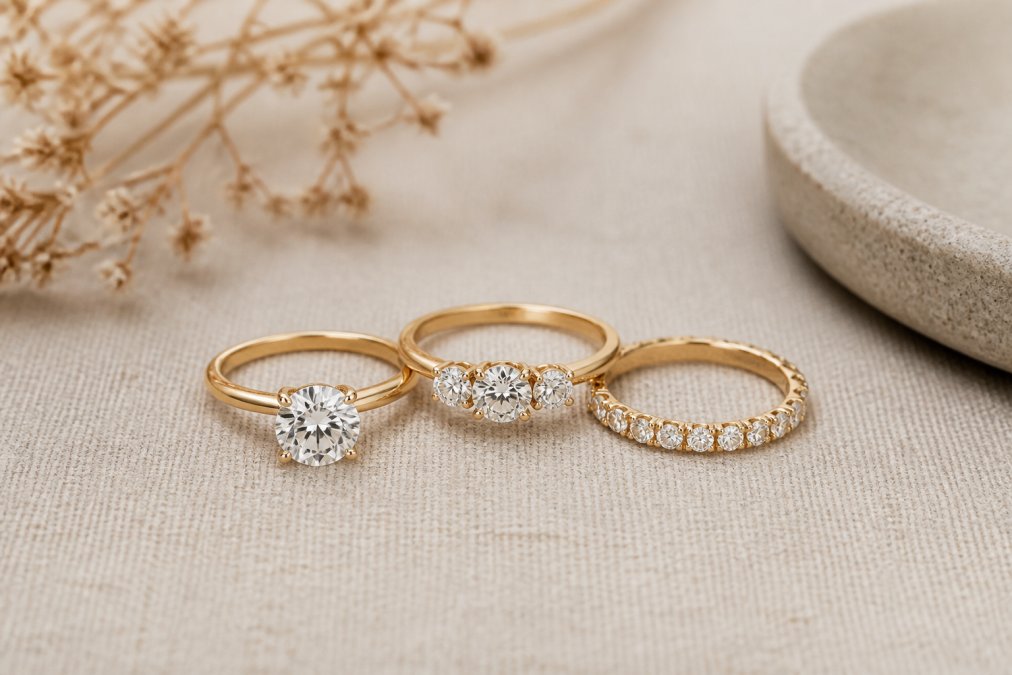
The relationship between stone size and band width matters significantly. A massive stone on a delicate band looks unbalanced; equally, a modest stone on an oversized band feels disproportionate.
Versatility and Styling Potential
Timeless pieces work across multiple occasions and coordinate easily with other jewellery. A ring that only suits formal events or a necklace that clashes with most of your wardrobe limits real-world utility.
Consider how a piece layers with other jewellery you own. Anniversary bands should stack comfortably with engagement rings. Necklaces should work at different lengths and with varying necklines. Metal consistency aids versatility, a piece that stands alone without requiring other metals to coordinate is inherently more versatile.
Gemstone colour matters for styling flexibility. Neutral stones (diamonds, clear sapphires) work with virtually any outfit. Deeply coloured stones demand more careful coordination but offer distinctive character. The scale of the piece affects versatility, oversized statement pieces date quickly, while pieces scaled to your frame and wearable across occasions age better aesthetically.
Resale Value and Investment Potential
Understanding resale value helps contextualise the true cost of anniversary jewellery. Precious metals retain intrinsic value based on current market prices, providing a safety net that fashion jewellery lacks.
Certified diamonds and precious gemstones hold value more reliably than non-certified stones. Independent certification documents the stone's characteristics, making resale easier. Classic, timeless designs sell more readily than trendy pieces. Condition significantly affects resale value, pieces showing minimal wear command better prices than damaged or neglected ones.
Jewellery purchased at retail typically loses 20-40% of its value immediately, reflecting retail markup. However, high-quality pieces from reputable makers often stabilise in value after this initial depreciation. Rather than viewing anniversary jewellery purely as an investment, consider it a hybrid: a piece with genuine sentimental value that maintains financial value better than most luxury purchases.
Ethical Sourcing, Insurance, and Long-Term Care
Genuine timelessness includes considering where materials come from and how pieces will be maintained across decades.
Verifying Ethical Provenance
Ethical sourcing has moved from niche concern to mainstream expectation. For diamonds, the Kimberley Process Certification Scheme aims to prevent conflict diamonds from entering the market. Many ethical jewellers provide detailed sourcing documentation showing exactly where diamonds were mined and processed.
Recycled or reclaimed gold and platinum offer an ethical alternative to newly mined metals, with identical physical properties but avoiding environmental and social impacts of mining. Coloured gemstones present more complex sourcing challenges, but reputable jewellers work directly with vetted suppliers.
Ask jewellery retailers directly about sourcing practices. Legitimate businesses maintain supplier relationships and can document supply chains. Diamonds by daisy sources meticulously handpicked gemstones and precious metals, prioritising quality and ethical standards. The 30-day satisfaction guarantee reflects confidence in both the pieces themselves and the sourcing integrity behind them.
Jewellery Appraisal and Insurance
Professional appraisal establishes replacement value for insurance purposes. An appraisal from a qualified gemologist documents the piece's characteristics, condition, and estimated value.
Insurance protects against loss, theft, or damage. Most standard home insurance policies don't adequately cover jewellery; specialist jewellery insurance provides comprehensive coverage. Appraisals should be updated every few years if precious metal prices fluctuate significantly.
Choose an independent, qualified appraiser. Look for credentials from recognised gemological organisations. Insurance costs typically range from 1-3% of the piece's appraised value annually, making it reasonable for valuable pieces.
Maintenance and Heirloom Care
Timeless pieces remain beautiful across generations only with proper care. Gold jewellery benefits from gentle cleaning with warm soapy water and a soft brush. Avoid harsh chemicals and ultrasonic cleaners. Professional cleaning once yearly maintains lustre.
Platinum requires less frequent maintenance but benefits from professional polishing. Diamonds and most precious gemstones are extremely durable but benefit from regular cleaning to maintain sparkle.
Store pieces in soft pouches or jewellery boxes, keeping them separate to prevent scratching. Avoid damp environments, which accelerate tarnishing. Have pieces professionally inspected every few years to identify loose stones or worn prongs before they become serious problems.
Avoid wearing jewellery during swimming (chlorine and saltwater damage metals), exercising (sweat accelerates tarnishing), or manual work (impact can crack stones). With proper care, anniversary jewellery genuinely becomes heirloom quality.
How to Choose Timeless Anniversary Jewellery: Your Decision Framework
Making the final selection requires balancing multiple factors: personal style, recipient preferences, budget, and long-term wearability.
Start by identifying your metal preference. Your existing jewellery collection provides the clearest guide. Pieces that coordinate with what you already wear will actually be worn.
Next, consider gemstone preferences. If you love colour, precious gemstones offer character and investment potential. If you prefer neutral elegance, diamonds or clear sapphires provide versatility.
Evaluate design in terms of your actual lifestyle. If you wear jewellery constantly, durability matters more than delicate aesthetics. Honest assessment prevents purchasing pieces that don't suit your reality.
Consider the piece's versatility across occasions. Will it work with casual clothing? Can it transition to formal events? Pieces that work across multiple contexts genuinely become timeless through use.
Examine proportions relative to your frame. Smaller-framed individuals often look better in delicate, refined pieces. Larger frames can carry more substantial designs.
If purchasing as a gift, consider the recipient's style preferences. The most beautiful piece disappoints if it doesn't match the wearer's personal style.
Verify metal and gemstone quality through hallmarks and certification. Request documentation showing metal purity and, for diamonds and precious gemstones, independent certification.
Finally, ensure the piece comes with a satisfaction guarantee or return policy. A 30-day guarantee provides confidence that you can return the piece if it doesn't meet expectations.
The most timeless anniversary jewellery combines three elements: genuine quality materials and craftsmanship, design that transcends trends through restraint and balance, and personal resonance with the wearer's style and lifestyle. Pieces that satisfy all three criteria become treasured for decades, marking anniversaries not just in the year purchased but throughout a lifetime.
Selecting anniversary jewellery that remains beautiful and meaningful across decades requires understanding quality fundamentals, design principles, and practical maintenance. The most enduring pieces balance precious materials with refined aesthetics, work across multiple occasions, and maintain value through time. At Diamonds by daisy, every piece combines meticulously handpicked gemstones and precious metals with timeless design, backed by a 30-day satisfaction guarantee. Start your search with clarity about your metal and gemstone preferences, verify quality through hallmarks and certification, and choose pieces that genuinely coordinate with your lifestyle and personal style.
Frequently Asked Questions
What are the traditional anniversary jewellery themes by year?
Anniversary years follow specific gemstone and metal associations. Silver marks 25 years, gold at 50, and diamond at 60. Between these milestones, each year has its own stone, pearls for 30 years, rubies for 40, sapphires for 45. These traditions guide gift selection and help mark the milestone celebration with appropriate symbolism. Choosing jewellery aligned with your anniversary year adds sentimental weight to the piece.
How do I distinguish between trendy and timeless jewellery designs?
Timeless pieces feature clean settings, balanced proportions, and minimal ornamentation that won't feel dated in five years. Trendy designs often include heavy embellishment, unusual cuts, or asymmetrical layouts. Ask yourself: would this piece suit multiple outfits and decades of wear? Heirloom-quality jewellery typically uses classic shapes, round or cushion-cut diamonds, simple solitaire settings, and refined metalwork that transcends seasonal fashion cycles.
What makes a precious metal suitable for daily wearability in anniversary jewellery?
Platinum, 18-karat gold, and high-grade silver offer the durability needed for everyday wear. Platinum is the most durable, resisting scratches and maintaining its shine longer. 18-karat gold balances durability with purity, while lower karats become brittle. The metal must be dense enough to protect gemstones and withstand regular contact without warping. Choose based on your lifestyle, platinum for maximum durability, gold for warmth and versatility, and silver for lighter everyday pieces.
How can I ensure my anniversary jewellery gift retains its value?
Select pieces made from precious metals and certified gemstones, as these hold resale value better than fashion jewellery. Request a jewellery appraisal and certification from an independent gemologist, this documentation supports future resale. Maintain the piece properly with regular professional cleaning and storage to prevent damage. Heirloom-quality craftsmanship and ethical sourcing also support investment potential. Keep all certificates and receipts as proof of authenticity and provenance.
What is the 2:1:1 rule for jewellery?
The 2:1:1 rule is a styling guideline suggesting two delicate pieces paired with one statement item for balanced jewellery stacking. This approach maintains visual harmony without overwhelming the wrist or neck. For anniversary jewellery, this means you might pair a timeless engagement ring with a simple band and one accent piece, creating versatility for different occasions. This principle helps ensure your pieces work together across multiple outfits and styling scenarios.
How do I know if anniversary jewellery is ethically sourced?
Request documentation of the gemstone's origin and the metal's sourcing practices. Reputable jewellers provide certification from recognised bodies verifying ethical sourcing. Ask specific questions about where stones were mined and whether the supplier adheres to fair labour standards. Transparent retailers will explain their supply chain without hesitation. Look for certifications and guarantees, trustworthy providers stand behind their ethical claims with verifiable proof rather than marketing language alone.
What should I look for in a jewellery appraisal before buying?
A proper appraisal includes detailed gemstone grading (colour, clarity, cut, carat weight), metal purity verification, and craftsmanship assessment. The appraiser should be independent and certified, not employed by the retailer. Request a written report with photographs and measurements. This documentation is essential for insurance purposes and future resale. Before purchasing, ask whether the jeweller provides appraisal services or recommendations, this transparency indicates confidence in their pieces' quality and value.
This article was written using GrandRanker