

Finding Independent Jewellery Makers: A Local Guide
Table of Contents
- Where to Find Independent Jewellery Makers
- Benefits of Buying Handmade Jewellery
- How to Commission a Custom Engagement Ring
- The Bespoke Jewellery Design Process
- Vetting Quality and Craftsmanship
- Supporting Local Makers and Artisans
- Conclusion
- Frequently Asked Questions
Last Updated: September 28, 2026
Where to Find Independent Jewellery Makers
Independent jewellery makers operate through specialist boutiques, maker markets, vintage dealers, and direct studio visits. Discovering authentic handcrafted jewellery is as much about the creative process as the finished piece.
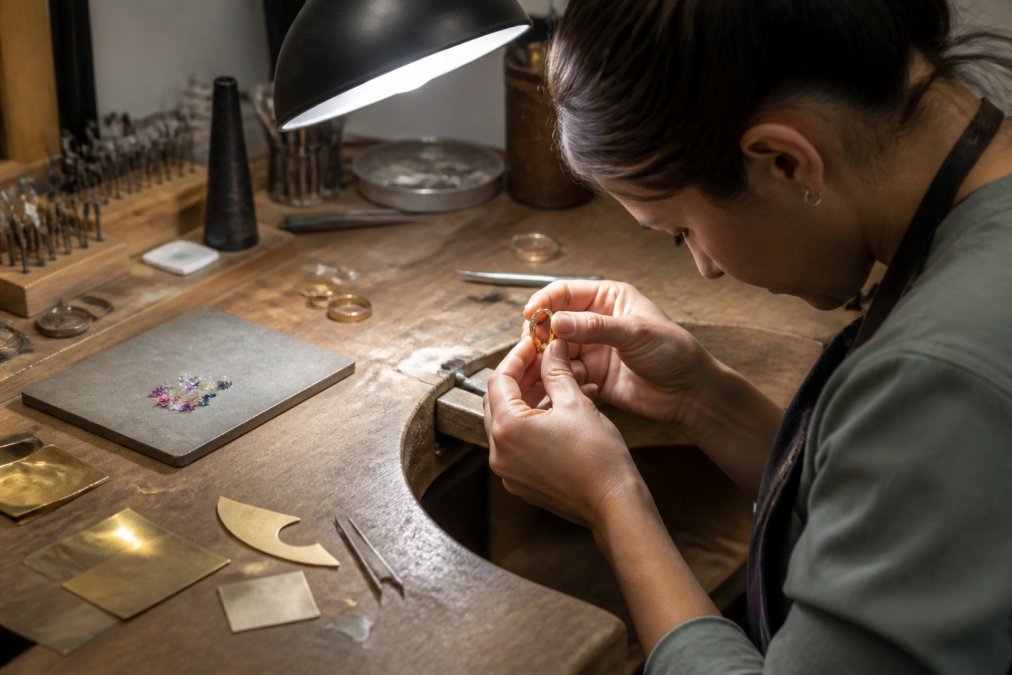
The key is knowing which channels align with your aesthetic and budget.
Specialist Boutiques and Studio Spaces
Specialist boutiques curate collections from emerging and established independent designers, allowing you to see pieces in person and meet makers.
Studio visits offer the most intimate experience with independent jewellery makers. Many artisans welcome appointments where you can discuss your vision directly, view works in progress, and understand their design philosophy. This direct relationship often leads to more meaningful commissions and a deeper appreciation for the craftsmanship involved.
Markets, Fairs, and Maker Events
Craft fairs and maker markets allow you to see multiple makers in one location, compare aesthetics, and negotiate directly with creators.
Seasonal markets feature fresh collections and are ideal for discovering new designers or commissioning pieces for upcoming occasions.
Vintage and Antique Dealers
Vintage and antique jewellery offers heirloom-quality pieces with established provenance and exceptional craftsmanship from earlier eras.
When purchasing vintage, verify authenticity, condition, and any restoration work undertaken.
Antique dealers often possess deep knowledge about materials, techniques, and historical context. Their expertise can help you understand why a piece matters and whether it represents genuine value for your collection.
Benefits of Buying Handmade Jewellery
Handmade jewellery offers authenticity, uniqueness, and superior craftsmanship compared to mass-produced alternatives.
Bespoke jewellery allows complete customisation of materials, design elements, and aesthetic, ensuring the piece reflects your taste and serves its intended purpose.
Understanding the creative process and design reasoning deepens your connection to the piece and increases its sentimental value.
Artisan work often retains or increases in value, particularly if the maker gains recognition, unlike mass-produced jewellery that depreciates rapidly.
Supporting independent jewellery makers funds artisans' livelihoods and preserves traditional techniques.
How to Commission a Custom Engagement Ring
Commissioning a custom engagement ring allows you to define every element, from stone selection to final metal finish.
Initial Consultation and Design Briefing
The commissioning process begins with a detailed consultation. Share inspiration images, discuss your lifestyle and daily wear patterns, and be honest about aesthetic preferences.
Discuss your budget openly to ensure expectations align from the outset.
The designer will create initial sketches or digital renderings. Review carefully and provide detailed feedback until the design captures your vision accurately.
Timelines and Cost Expectations
Custom engagement rings typically require 6-12 weeks from design approval to completion. Discuss realistic timelines early and confirm deadlines if needed for a specific occasion.
Request a detailed quote breaking down costs for materials, labour, and additional services like resizing or maintenance.
Clarify payment terms, revision policies, and what happens if you're dissatisfied with the final piece.
The Bespoke Jewellery Design Process
The maker creates detailed sketches or digital renderings, allowing you to see the piece before materials are committed.
Once approved, the maker sources materials, which significantly impacts the final aesthetic and timeline.
The actual crafting involves techniques ranging from traditional hand-forging to contemporary metalworking methods. Goldsmiths and silversmiths employ centuries-old techniques, stone setting, soldering, finishing, that require years of training. This artisan craftsmanship distinguishes bespoke pieces from mass-produced alternatives.
Quality control occurs throughout the process. The maker inspects work at multiple stages, ensuring structural integrity and aesthetic consistency. Once complete, the piece undergoes final polishing and any necessary adjustments before delivery.
Vetting Quality and Craftsmanship
Assessing the quality and authenticity of independent jewellery makers requires moving beyond aesthetic preference to evaluate their credentials, processes, and ethical standards. This is a significant pain point for buyers unfamiliar with the craft, and distinguishing genuine artisans from less experienced makers or unethical operators demands a structured approach.
Verifying Maker Credentials and Experience
Begin by establishing how long the maker has been practising their craft. Begin by establishing how long the maker has been practising their craft. Ask directly about their training background and whether they hold any professional memberships.
Request a detailed portfolio showing a range of completed commissions, not just finished pieces. A strong portfolio includes before-and-after images, close-ups of stone setting and metalwork detail, and evidence of stylistic range. Be wary of makers who show only a handful of pieces or whose work appears inconsistent in quality or execution.
Ask whether the maker has public testimonials or case studies from previous clients. Reputable artisans typically feature client feedback on their website or social media, and they should be willing to provide direct references you can contact. Speak with at least two previous clients about their commissioning experience, timeline accuracy, and whether the finished piece matched expectations.
Assessing Material Sourcing and Ethical Standards
Ethical sourcing is increasingly important to buyers, and independent makers should be transparent about where their materials originate. Ask the maker to explain their sourcing practices for precious metals and gemstones. Reputable makers can articulate:
- Whether their gold, silver, or platinum is recycled, newly mined, or a blend, and why they've chosen that approach
- Whether gemstones are certified (for diamonds, a GIA, AGS, or HRD certificate; for coloured stones, certification from a recognised gemmological laboratory)
- Their supply chain relationships and whether they work directly with suppliers or through middlemen
- Whether they prioritise conflict-free or ethically sourced materials, and what verification processes they use
Makers who cannot answer these questions clearly, or who dismiss ethical sourcing as unnecessary, are signalling either inexperience or indifference to standards that matter to conscientious buyers. Established makers often have written sourcing policies available on request.
If sustainability is important to you, ask whether the maker uses recycled precious metals exclusively, sources lab-grown diamonds or gemstones, or partners with certified suppliers.
Red Flags in Pricing and Process
Pricing transparency is a reliable indicator of maker legitimacy. Bespoke jewellery pricing varies widely based on complexity, materials, and the maker's experience, but reputable makers provide detailed quotes breaking down labour costs, material costs, and any additional services. If a maker quotes a price without explaining the breakdown, or if their pricing seems significantly lower than comparable makers for similar work, investigate further.
Be cautious of makers who:
- Refuse to provide written quotes or contracts for custom work
- Demand full payment upfront rather than a deposit (typically 30-50%) with the balance due upon completion
- Cannot articulate a clear timeline or claim they can complete complex commissions in unrealistically short timeframes
- Avoid discussing revisions or have unclear policies about what happens if you're dissatisfied with the design phase
- Use stock photos or images from other sources rather than their own work
- Have no online presence, social media, or verifiable history
Examining Craftsmanship Standards
When reviewing a maker's work, look for consistency in execution across multiple pieces. High-quality independent jewellery exhibits:
- Clean, even stone setting with no visible gaps between the stone and the setting metal
- Smooth, well-finished surfaces with no scratches, pitting, or uneven polishing
- Solder joints that are invisible or nearly invisible, not visible as dark lines or rough patches
- Symmetrical designs where symmetry is intended, with no warping or misalignment
- Secure clasps, hinges, and closures that function smoothly
Aftercare and Long-Term Support
A maker's willingness to support pieces long-term is a strong indicator of confidence in their work and genuine care for client satisfaction. Reputable independent jewellery makers typically offer:
- Free cleaning and polishing services for the first year or longer
- Resizing or adjustments at cost or discounted rates
- Repair services if damage occurs
- Clear documentation of materials used, including gemstone certificates and metal purity marks
Supporting Local Makers and Artisans
Purchasing from independent jewellery makers directly supports creative entrepreneurs and preserves traditional craftsmanship. Your decision to commission bespoke work or buy from emerging designers has tangible impact on these artisans' ability to sustain their practice.
Conclusion
Finding independent jewellery makers requires exploring specialist boutiques, attending maker markets, visiting studio spaces, and building relationships with artisans whose work aligns with your aesthetic. Each channel offers distinct advantages, boutiques provide curated discovery, markets offer direct maker engagement, and studio visits enable collaborative commissioning.
Frequently Asked Questions
How do I verify the quality of independent jewellery makers?
Look for makers who provide detailed information about materials, craftsmanship techniques, and their design process. Request certification for gemstones, ask to see examples of previous work, and check for customer reviews or testimonials. Many independent jewellery makers display their portfolio on their website or social media. Don't hesitate to ask about their experience, training, and any guarantees they offer on their work.
What are the benefits of buying handmade jewellery from independent makers?
Handmade jewellery offers unique designs you won't find in mass-produced collections. Each piece reflects the artisan's individual style and craftsmanship. Independent makers often use higher-quality materials and pay closer attention to detail. You also have the opportunity to commission custom pieces tailored to your preferences, and you're directly supporting small creative businesses. Handmade pieces often hold their character and value better than factory-made alternatives.
What is the typical commissioning process for a custom engagement ring?
The process usually begins with an initial consultation where you discuss your vision, budget, and timeline with the designer. They'll create sketches or digital renderings for your approval. Once you've agreed on the design, the maker sources the gemstone and precious metals, then begins crafting. You'll typically have opportunities to review progress and make adjustments. The entire process can take anywhere from 6 to 12 weeks, depending on complexity and the maker's schedule.
Where can I find independent jewellery designers for custom work in my area?
Start by exploring local jewellery markets, craft fairs, and maker events in your region. Many independent designers maintain Instagram accounts and websites showcasing their work. Visit specialist boutiques that focus on bespoke services, or check out curated showcase spaces that highlight emerging talent. Antique and vintage dealers can also connect you with artisans. Ask for recommendations from friends or local design communities, and don't hesitate to reach out directly to makers whose aesthetic matches your vision.