

Best Alternatives to Goldsmiths Jewelry in 2026
Table of Contents
- Why Shoppers Look Beyond Goldsmiths
- How to Choose a Reputable Jeweller
- Independent Jewellery Brands Worth Exploring
- Ethical Jewellery UK: Sustainable and Transparent Sourcing
- High-Street Alternatives with Premium Service
- What Sets Premium Alternatives Apart
- Making Your Choice: Key Considerations
- Conclusion
Last Updated: August 18, 2026
Why Shoppers Look Beyond Goldsmiths
Alternatives to Goldsmiths increasingly appeal to buyers seeking bespoke design services, transparent ethical sourcing, independent family-run operations with deeper expertise, or aesthetics that better match personal style. The jewellery market has evolved significantly, boutique jewellers, online specialists, and heritage family businesses now compete directly on craftsmanship, value, and customer experience. At Diamonds by daisy, we've observed that shoppers prioritise handpicked gemstones, artisan techniques, and trustworthy sourcing over convenience alone.
This guide explores the strongest alternatives to Goldsmiths, from established independent jewellers to contemporary luxury retailers. Whether you're seeking ethical jewellery, bespoke commission services, or better value at the mid-to-high end, you'll find detailed options here.
How to Choose a Reputable Jeweller
Start by verifying credentials. Look for membership in industry bodies like the Responsible Jewellery Council or the British Jewellers' Association. Ask whether gemstones come with certification from recognised laboratories such as the Gemmological Association of Great Britain (Gem-A) or the International Gemological Institute (IGI).
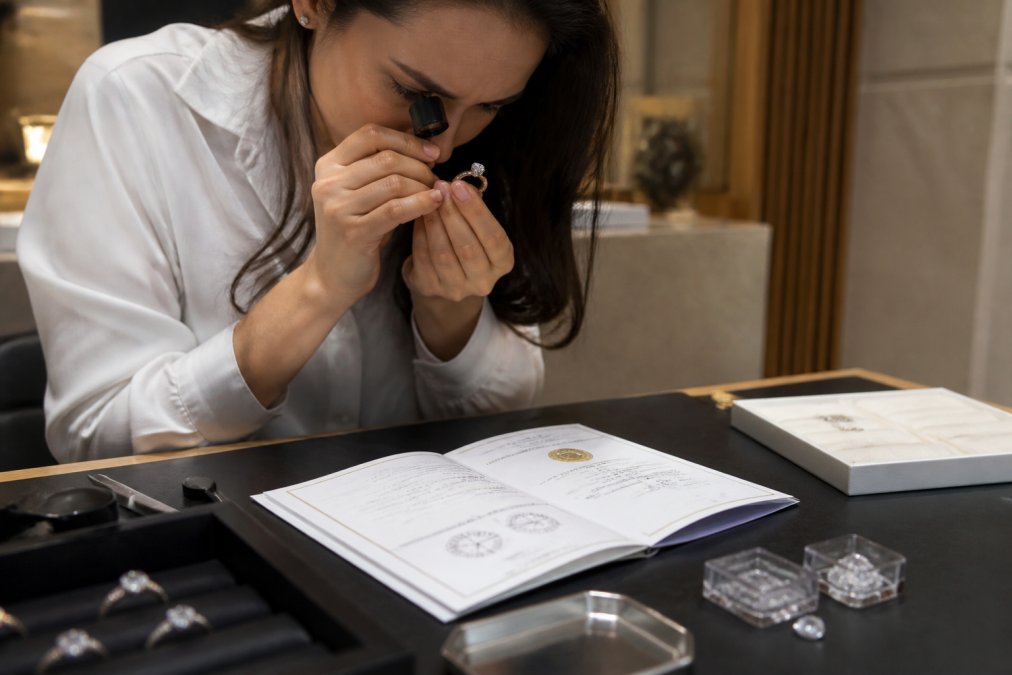
Next, assess after-sales support. Does the jeweller offer cleaning, resizing, and repairs? What's their warranty coverage? A reputable jeweller stands behind their work. Ask about their return policy; ethical retailers often offer trial periods or satisfaction guarantees, much like the 30-day guarantee offered by Diamonds by daisy, which allows you to make a confident purchase knowing you can return if the piece doesn't meet your expectations.
Finally, evaluate transparency. A trustworthy jeweller should explain their sourcing, answer questions about gemstone origins, and provide clear pricing information. If a retailer becomes evasive about stone origins or pricing, shop elsewhere.
Independent Jewellery Brands Worth Exploring
Family-Owned Heritage Jewellers
Family-run jewellers often bring decades or centuries of accumulated knowledge to their craft, investing more deeply in staff training and maintaining stricter quality controls than mass-market chains.
F. Hinds has operated since 1856 across over 115 high-street stores in England and Wales. As an independent, family-owned business and Authorised Diamond Dealer with Responsible Jewellery Council membership, F. Hinds combines heritage credibility with accessible pricing. They offer ear piercing, jewellery design, and repair services in-house.
Chisholm Hunter, established in 1857, operates as a family-owned diamond merchant with boutiques across Scotland and England. Their curated approach to gemstone selection reflects genuine expertise. A standout feature is their diamond trade-in programme, which allows customers to trade in their original diamond at 100% of the price paid.
Fraser Hart brings over eighty years of jewellery industry experience across 25 shops nationwide. Their staff receive expert training in fine jewellery, diamonds, bridal pieces, and luxury watches. Fraser Hart maintains long-standing relationships with luxury watch brands including OMEGA, TAG Heuer, and Breitling.
Contemporary Luxury and Bespoke Design
ROX, Diamonds & Thrills represents award-winning British luxury design established in 2002. ROX specialises in bold, distinctive pieces handcrafted in London workshops. Their in-house design capabilities allow you to commission bespoke jewellery tailored to your vision. They offer 0% finance on purchases.
Ernest Jones operates through 118 physical stores and an online platform, offering an omnichannel experience. Their product range spans watches, engagement rings, and gold jewellery, with exclusive collections like Vera Wang Love. Ernest Jones provides virtual try-on, click and collect, and interest-free credit options.
Ethical Jewellery UK: Sustainable and Transparent Sourcing
Conscious consumers increasingly demand proof that their jewellery hasn't funded conflict or exploited workers. Ethical sourcing is a measurable commitment to supply chain transparency that directly affects both your conscience and the piece's long-term value.
Understanding Ethical Certifications and Standards
The Responsible Jewellery Council (RJC) operates a Chain of Custody certification that audits jewellers' practices across labour standards, environmental impact, and conflict-free sourcing. RJC members must undergo annual audits and maintain detailed supplier documentation.
The Fairmined Standard, administered by the Alliance for Responsible Mining, certifies gold and silver from artisanal and small-scale mining operations. Fairmined gold guarantees a minimum price to miners and requires investment in community development.
Conflict-free certification addresses diamonds mined in war zones but doesn't cover broader labour or environmental concerns. Reputable jewellers now source from specific, traceable mines or use lab-grown diamonds as an alternative.
What Transparent Sourcing Documentation Looks Like
When you ask a jeweller about sourcing, a transparent retailer will provide:
- Gemstone origin documentation: A certificate stating the country of origin from labs like Gem-A or IGI.
- Metal sourcing information: Details on whether gold is recycled, newly mined, or Fairmined-certified.
- Supplier relationships: Names of suppliers or mines they work with, or a written sourcing policy.
- Audit or certification documents: Copies of RJC certificates, Fairmined credentials, or internal audit reports.
If a jeweller becomes evasive about these details, shop elsewhere.
Independent vs. Chain Retailers on Ethical Sourcing
Independent jewellers and boutique brands often excel at transparency because they maintain closer relationships with suppliers and artisans. A family-run jeweller like Chisholm Hunter or a contemporary specialist like ROX can typically trace individual pieces back to their source.
Larger high-street chains sometimes struggle with transparency due to complex supply chains. However, some chains, particularly those with RJC membership like F. Hinds, have made formal commitments to ethical sourcing and can provide documentation on request.
The Investment Case for Ethical Sourcing
Beyond conscience, ethical sourcing affects resale value. Pieces with documented provenance, particularly those certified as Fairmined or from known ethical sources, hold value better than pieces with murky origins. A clear sourcing story adds credibility and appeal to potential buyers.
High-Street Alternatives with Premium Service
H.Samuel, established in 1862, operates as a mass-market jewellery chain offering quality pieces at accessible prices. They provide ear piercing, jewellery repair, and watch repair services across numerous locations. H.Samuel focuses on gifts for every occasion and budget.
Mappin & Webb represents a heritage retailer maintaining a reputation for quality and service, with strength in curated selection and expert staff.
The distinction between high-street alternatives matters. Some chains prioritise volume and affordability; others maintain stricter quality controls and more knowledgeable staff. Ernest Jones and Fraser Hart occupy a middle ground, physically accessible but investing more in expertise and service than mass-market competitors.
What Sets Premium Alternatives Apart
The jewellery market divides roughly into three tiers. Understanding the differences prevents costly mistakes, as the real distinction emerges not just in purchase price, but in total cost of ownership and long-term value retention.
The Three Market Tiers
Mass-market retailers (H.Samuel, some Ernest Jones locations) prioritise accessibility and volume. Designs follow broader trends, pricing remains competitive, and service is transactional. A £300 ring typically depreciates 40-60% if resold within five years.
Mid-market jewellers (F. Hinds, some Fraser Hart locations) balance quality with accessibility. They employ knowledgeable staff, maintain higher craftsmanship standards, and often provide bespoke design services. A well-crafted mid-market piece in gold or platinum typically retains 50-70% of its purchase price if resold within 10 years.
Premium and luxury retailers (Chisholm Hunter, ROX, Diamonds by daisy) emphasise handpicked gemstones, artisan techniques, and transparent sourcing. A premium piece with certified gemstones and documented provenance can retain 60-80% of its value or appreciate if the design becomes sought-after.
The Hidden Costs of Ownership
When comparing alternatives, most buyers focus on purchase price. What they overlook are ongoing costs that accumulate over a piece's lifetime:
Resizing and adjustments: Pricing depends on the specific piece and the jeweller's services. Some retailers offer free resizing within a certain period.
Professional cleaning and polishing: Pricing depends on the specific piece and the jeweller's services. Some retailers offer free cleaning for life.
Repairs and restoration: Pricing depends on the specific repair and the jeweller's services.
Insurance: Typically 1-2% of the piece's value annually. A £3,000 ring costs £30-£60 per year to insure. Over 20 years, that's £600-£1,200.
Gemstone certification and appraisal: Pricing depends on the specific piece and the jeweller's services. Premium retailers often include certification with purchase.
These hidden costs can easily add £1,000-£3,000 to total cost of ownership over 20 years. Premium alternatives often include warranties, free cleaning, and free resizing, which offset these costs significantly.
Resale Value and Investment Potential
The key differentiator between a purchase and an investment is resale value. A piece that holds 70% of its value is fundamentally different from one that holds 40%, even if the purchase price is identical.
Factors that preserve resale value:
- Certified gemstones: A diamond with a Gem-A or IGI certificate is immediately verifiable by any buyer.
- Precious metal content: Gold, platinum, and silver have intrinsic value based on spot price.
- Handcrafted or bespoke design: Unique, well-executed pieces hold value better than mass-produced designs.
- Documented provenance: A piece with clear sourcing, certification, and service history is easier to sell.
- Brand reputation and maker's mark: Pieces from established jewellers command premiums on resale.
Factors that destroy resale value:
- High retail markup: Mass-market chains often mark up pieces 200-300%, forcing you to compete against new stock.
- Trendy designs: Fashion-forward pieces date quickly, limiting buyer interest.
- Uncertified gemstones: Without certification, buyers will discount the price.
- Poor condition or missing documentation: Scratches, missing stones, or lost receipts reduce resale value.
Warranty and After-Sales Commitment as a Value Signal
A retailer's warranty and after-sales policy directly reflects their confidence in the piece's quality and commitment to long-term customer relationships.
Premium retailers typically offer:
- 2-5 year warranties covering manufacturing defects
- Free cleaning and maintenance for life
- Free resizing within the first 12 months
- Trade-in programmes allowing you to upgrade without losing value
- Repair services at cost or free for warranty-covered issues
Mass-market retailers typically offer:
- 12-month warranty on manufacturing defects only
- Cleaning and repairs at standard rates
- No trade-in programmes
- Limited after-sales support
A 30-day satisfaction guarantee (offered by retailers like Diamonds by daisy) removes purchase anxiety and signals confidence in quality. A lifetime cleaning guarantee saves hundreds of pounds over ownership.
The Real Cost-Per-Year Calculation
When comparing alternatives, calculate the true cost of ownership:
Example: £2,000 ring over 20 years
Mass-market retailer:
- Purchase: £2,000
- Resizing (2 times): Pricing depends on the specific piece and the jeweller's services.
- Cleaning (20 annual visits): Pricing depends on the specific piece and the jeweller's services.
- Repairs: Pricing depends on the specific repair and the jeweller's services.
- Insurance (20 years at £30/year): £600
- Resale value (40% of purchase): -£800
- Total cost: Pricing depends on the specific piece, services, and market conditions.
Premium retailer:
- Purchase: £2,500 (higher initial cost, but certified and handcrafted)
- Resizing (1 time, potentially free): Pricing depends on the specific piece and the jeweller's services.
- Cleaning (potentially free for life): Pricing depends on the specific piece and the jeweller's services.
- Repairs (potentially covered under warranty): Pricing depends on the specific repair and the jeweller's services.
- Insurance (20 years at £40/year): £800
- Resale value (70% of purchase): -£1,750
- Total cost: Pricing depends on the specific piece, services, and market conditions.
Despite the higher purchase price, a premium retailer's piece can offer better long-term value due to warranties, free services, and superior resale value.
Making Your Choice: Key Considerations
Your ideal jeweller depends on five factors: budget, design preference, sourcing values, service requirements, and purchase channel.
Budget clarity matters first. Are you shopping for an entry-level piece under £500, a mid-range investment between £500-£2,000, or a significant purchase above £2,000? Different retailers excel at different price points.
Design aesthetic is non-negotiable. Do you prefer classic, timeless designs or contemporary, bold statements? Traditional family jewellers tend toward heritage aesthetics; boutiques like ROX specialise in modern design.
Ethical sourcing is increasingly important. If you care about supply chain transparency and fair trade practices, independent jewellers and premium retailers typically offer better documentation than mass-market chains.
After-sales service determines long-term satisfaction. Will you need repairs, resizing, or cleaning? Does the retailer offer a warranty? Can you return or exchange if needed?
Purchase channel shapes your experience. Online shopping offers convenience and broader selection; in-store shopping allows you to see and feel pieces firsthand. Some retailers, like Ernest Jones, excel at both. Others, like Diamonds by daisy, specialise in curated online experience.
Choosing an alternative to Goldsmiths means prioritising what matters most to you: ethical sourcing, bespoke design, family heritage, or better value. Independent family businesses like F. Hinds and Chisholm Hunter offer heritage credibility and transparent sourcing. Contemporary specialists like ROX deliver bespoke design and modern aesthetics. Online-first retailers like Diamonds by daisy combine curated quality with convenience and a 30-day satisfaction guarantee that removes purchase risk. Evaluate each against your specific priorities, and you'll find a jeweller that delivers not just a beautiful piece, but genuine confidence in your purchase.
Frequently Asked Questions
What makes independent jewellery brands better alternatives to Goldsmiths?
Independent jewellery brands typically offer more personalised service, bespoke design options, and greater transparency about sourcing and craftsmanship. Many have been family-owned for generations, building expertise that shows in their curation and after-sales care. Unlike larger chains, they often provide direct access to designers and craftspeople, allowing you to understand exactly what you're purchasing and why each piece matters.
How do I know if a jeweller is actually ethical and using sustainable practices?
Look for certifications from bodies like the Responsible Jewellery Council or Fairmined accreditation. Reputable ethical jewellers will provide detailed information about their supply chain, gemstone sourcing, and labour practices without hesitation. Ask directly about their sourcing policies and whether they can provide gemstone certification. Many ethical jewellers also offer recycled or reclaimed precious metals as an alternative, reducing environmental impact.
What should I look for when buying fine jewellery online from an unfamiliar retailer?
Check for gemstone certification (GIA or similar), clear return policies, and satisfaction guarantees like those offered by trusted alternatives. Read customer reviews specifically about product accuracy and after-sales support. Verify the retailer's credentials, how long they've been in business, and whether they offer professional photography or video showcases of pieces. Reputable jewellers will also provide detailed specifications, metal purity hallmarking, and weight information for every item.
How do I choose between a bespoke custom piece and a ready-made design?
Bespoke pieces offer complete personalisation and become true heirlooms, but require longer timescales and higher investment. Ready-made designs from curated collections provide immediate ownership and often represent better value. If you have a specific vision or want something truly unique that reflects your story, bespoke is worthwhile. For investment pieces or gifts where you need certainty about quality and delivery, ready-made from reputable artisan jewellers balances craftsmanship with practicality.
This article was written using GrandRanker