

Ten Types of Bracelets With Styling, Sizing, and Gifting Advice
There are ten bracelet families worth knowing: bangle, cuff, charm, tennis, chain/link, beaded, leather, pearl, elastic/stretch, and watch-style bracelets. Each shows up below with its typical materials, how it should fit, one styling tip, and a quick care note. Together, they cover nearly everything you’ll find shopping for yourself or a gift.
TL;DR:
- Proper sizing requires measuring the wrist accurately and adding half an inch for a comfortable fit, with adjustments depending on bracelet style.
- Matching metal tones and proportions enhances bracelet stacks and avoids looking mismatched, especially when combining with watches or other accessories.
- Care varies: avoid soaking pearls, condition leather, and check regularly for wear or loose stones, storing pieces separately to prevent scratches.
- Adjustable and stretch styles are safer choices for gift buyers uncertain of wrist size or if unfamiliar with the recipient’s preferences.
- Investing in quality clasps and inspecting links periodically prevent damage and prolong bracelet lifespan.
Table of Contents
- Types of Bracelets: A Style-by-Style Breakdown
- How to Choose a Bracelet: Sizing, Matching, and Gift-Buying Steps
- Cleaning, Storing, and Repairing Different Bracelet Materials
- Why a Curated Approach Beats Buying Blind
- Find Your Bracelet Match at Diamonds by Daisy
- Sources
Types of Bracelets: A Style-by-Style Breakdown
A bracelet is simply jewelry worn around the wrist, but the construction behind that simple idea varies enormously. Some styles are rigid and hold their shape no matter what. Others are built to move with you. Knowing which category a bracelet falls into tells you almost everything about how it will fit and wear.
Bangle. A bangle is a single, unbroken loop, usually metal, sometimes resin or wood, that you slide over your hand rather than clasp on. Because bangles are rigid, sizing matters more here than with almost any other style. Too tight and it won’t pass over your knuckles; too loose and it slides annoyingly toward your elbow. Stack several in mixed widths for a look that reads intentional rather than accidental. Wipe plated bangles with a soft cloth after wear to keep the finish from dulling.
Cuff. Unlike the closed bangle, a cuff bracelet is semi-rigid and open-ended, with a gap that lets you slip it on and gently bend the metal to adjust the fit. This makes cuffs surprisingly forgiving across wrist sizes. A wide statement cuff worn solo makes more impact than a delicate one buried in a stack. Avoid bending the metal repeatedly, since most cuff alloys will fatigue and eventually crack at the opening.
Charm bracelet. Built on a chain base with a lobster clasp or toggle, a charm bracelet holds individual pendants you add over time, birthdays, travel, milestones. It’s one of the most personal bracelet types precisely because it grows with the wearer. For gifting, a starter charm bracelet with one or two charms gives the recipient room to build their own story. Check clasps periodically; charms are heavy relative to the chain and put real stress on the closure.
Tennis bracelet. This style is a continuous line of matched stones, typically diamonds set in identical settings, running the full circumference of the wrist. It’s the classic choice for formal events, black-tie dinners, weddings, anything where you want quiet sparkle rather than a statement. Because the line of stones sits flat against skin, a snug fit matters more than with looser styles. Store it flat in a lined box so the setting prongs don’t catch on fabric.
Chain or link bracelet. Metal links, whether cable, curb, or figaro pattern, connect into a flexible band that closes with a lobster clasp or spring ring. These wear well daily and layer easily with other metal pieces. Mixed metal chains (gold links next to silver) have become one of the more popular bracelet designs for younger buyers who don’t want to commit to one metal tone. Inspect the links occasionally for stretching or thinning, the same way you’d check a metal watch bracelet for wear.
Beaded bracelet. Strung on cord, wire, or elastic, beaded bracelets run from casual wooden or stone beads to fine gemstone versions with metal spacers. They’re the easiest style to layer because the round profile sits comfortably against other pieces. Rotate them out of direct sun if the beads are dyed stone, since color can fade with prolonged exposure.
Leather bracelet. Braided or flat leather bands, often finished with a metal clasp or magnetic closure, lean casual and pair naturally with denim and knitwear. They’re a solid unisex gift option. Keep leather away from water and lotion, and condition it occasionally the way you would a leather wallet, or it will stiffen and crack at the fold points.
Pearl bracelet. Strung pearls, freshwater or cultured, need more care than almost any other material on this list. Pearls are porous and should never be soaked; perfume, hairspray, and lotion all degrade the nacre over time. Put pearls on last when getting dressed, and wipe them with a soft cloth afterward. They read formal but pair surprisingly well with a plain white shirt for daytime wear.
Elastic or stretch bracelet. No clasp, just stretch cord strung with beads or metal spacers, pulled over the hand. Silicone and rubber versions are common for sports and awareness campaigns because they’re cheap and water-resistant, though the cord degrades and beaded stretch bracelets eventually need restringing. They’re the easiest entry point for stacking since sizing is nearly foolproof.
Watch-style bracelet. Metal link bands built for watches follow the same wear patterns as chain bracelets, and the same inspection habits apply: check pins and links for looseness, and clean with a soft brush rather than submerging in water if the case isn’t rated for it.
How to Choose a Bracelet: Sizing, Matching, and Gift-Buying Steps
Getting the fit right starts with a tape measure, not guesswork. Wrap a soft tape or a strip of paper around your wrist just below the bone, mark where it overlaps, then measure that length. Add half an inch for a loose, comfortable drape or a quarter inch for a snug fit, and check that number against a proper bracelet size guide before buying, since sizing runs differently across brands and styles.
Matching matters almost as much as fit. Keep metal tones consistent within a single stack, gold with gold, silver with silver, unless you’re deliberately going for a mixed-metal look. Scale matters too: a delicate chain bracelet looks lost next to a chunky watch, so balance proportions rather than mixing your thinnest and heaviest pieces on the same wrist. If you already wear a watch daily, leave that wrist lighter and build your stack on the other side.
Before buying, especially as a gift, run through a short checklist:
- Confirm the recipient’s wrist size, or buy adjustable/stretch styles if you’re unsure.
- Check for nickel or base-metal content if you know they have sensitive skin.
- Inspect clasp quality in photos or reviews. A flimsy lobster clasp is the most common bracelet complaint.
- Set a rough budget range. Beaded and leather styles often are lower priced; sterling silver and gold-filled pieces typically fall in a moderate range; solid gold or diamond tennis bracelets are generally more expensive.
- Consider whether the style pairs with pieces they already own.
Pro Tip: If you’re buying for someone else and unsure of their wrist size, a slightly looser fit with an adjustable clasp is safer than guessing small. A bracelet that’s too tight goes straight to a drawer.
Cleaning, Storing, and Repairing Different Bracelet Materials
Care depends entirely on material. A few reliable habits cover most bracelets:
- Plated or vermeil metal: wipe with a soft, dry cloth after each wear; avoid soap.
- Solid gold or silver: clean occasionally with mild soap, warm water, and a soft brush.
- Pearls: never soak them, wipe gently, and store them away from other pieces that could scratch the surface.
- Leather: keep dry, condition occasionally, avoid direct sun.
- Chain and watch links: check periodically for stretching or wear at the pin joints.
Store pieces separately in a pouch or lined box with anti-tarnish strips rather than tossed together in a drawer, where clasps tangle and metal scratches metal. See a jeweler when a stone feels loose, a clasp sticks, or elastic cord shows visible fraying. Waiting usually turns a small fix into a lost stone or a broken chain.
Why a Curated Approach Beats Buying Blind
Most people don’t need every bracelet type on this list. They need the two or three that actually fit their life, their skin, and the person they’re shopping for. Diamonds by Daisy leans into that reality by curating a tighter selection of bracelet styles rather than stocking every possible variation, then backing that selection with a proper size guide and a stacking guide so buyers aren’t left guessing. Customer reviews often mention that pieces photograph accurately and quality holds up past the first few wears, which matters more than any style name on this list.
— Georgia
Find Your Bracelet Match at Diamonds by Daisy
Skip the guesswork of comparing a dozen open tabs. Some sellers curate gift-ready bracelets across various styles including gold chain links, stacking pieces, and everyday-wear designs, offering pieces vetted for quality to simplify shopping.
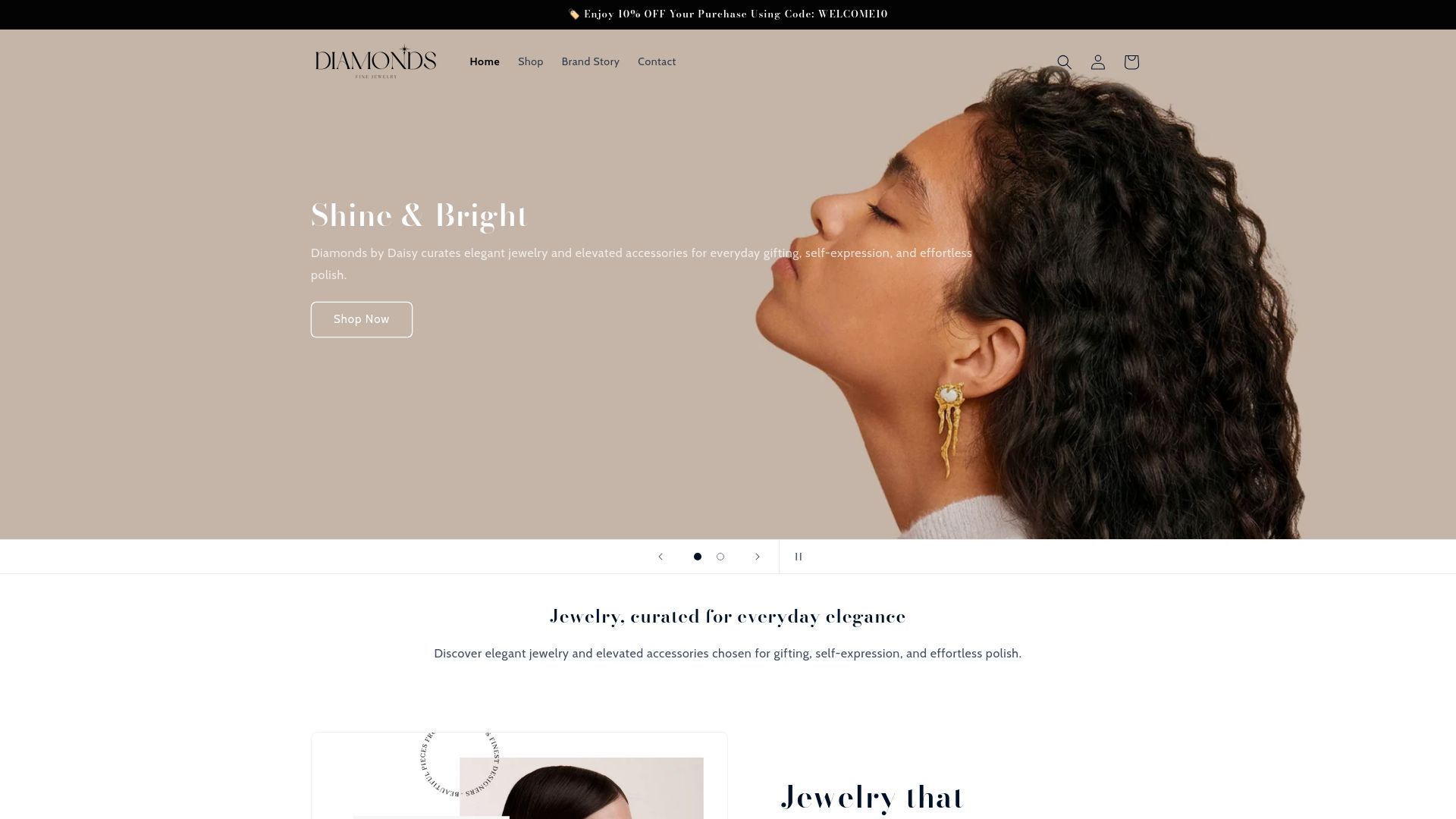
The everyday gold jewelry collection is the easiest starting point if you want a versatile piece that works for both daily wear and gifting. If you’d rather browse the full range first, the Diamonds by Daisy homepage lays out every current collection. Either way, use the size guide above before you check out, since a bracelet that fits right is the one that actually gets worn.
Sources
- Bracelet — Wikipedia
- Materials and techniques — The Metropolitan Museum of Art
- How watch bracelet links wear: A maintenance guide — ChronoCare