

The Diamond Store vs Beaverbrooks: A Detailed Comparison
Table of Contents
- The Diamond Store vs Beaverbrooks: Overview Comparison
- Diamond Quality and Certification Explained
- High Street vs Online Jewellers: Where They Differ
- Pricing, Finance, and Value for Money
- Customer Service, Returns, and Warranties
- Diamonds by Daisy Reviews and How They Compare
- Which Jeweller Should You Choose?
- Conclusion
Last Updated: August 21, 2026
The Diamond Store vs Beaverbrooks: Overview Comparison
When you're shopping for fine jewellery, the choice between online retailers and high street jewellers matters. The Diamond Store and Beaverbrooks represent two very different approaches to selling engagement rings, diamonds, and precious metals, one digital-first, the other rooted in physical retail. Understanding how these retailers differ in their product range, customer service, certification standards, and value proposition is essential before making a significant purchase.
This guide from Diamonds by Daisy breaks down the key differences between these two jewellers so you can make an informed decision about where to invest in your next piece. Both retailers offer legitimate gemstones and precious metals, but they operate under fundamentally different business models that affect everything from how you experience the product to how you're supported after purchase.
The Diamond Store focuses on online shopping with an emphasis on lab-grown diamonds and moissanite alternatives alongside natural stones. Beaverbrooks, by contrast, operates primarily through physical high street locations across the country, offering a traditional in-store experience where you can see and handle pieces before buying. Each approach has distinct advantages depending on what you value most: convenience and choice, or tactile confidence and face-to-face guidance.
Diamond Quality and Certification Explained
Both retailers sell diamonds with certification, but the types of certification and the gemstone options differ significantly. Understanding what certification means and how it protects your investment is crucial before comparing the two.
Diamond certification is an independent assessment of a gemstone's quality based on the four Cs: carat weight, colour grade, clarity grade, and cut quality. A certified diamond comes with a grading report from an established laboratory that documents these characteristics. This certification protects you because it provides an objective, third-party verification of what you're buying, rather than relying solely on the retailer's claims.
The Gemological Institute of America (GIA) and the International Gemological Institute (IGI) are the most widely recognised certification bodies globally ([EXTERNAL_LINK: GIA's official website | gia.edu]). In the UK market, both The Diamond Store and Beaverbrooks typically work with these established certifiers, though they may emphasise different certification standards in their marketing.
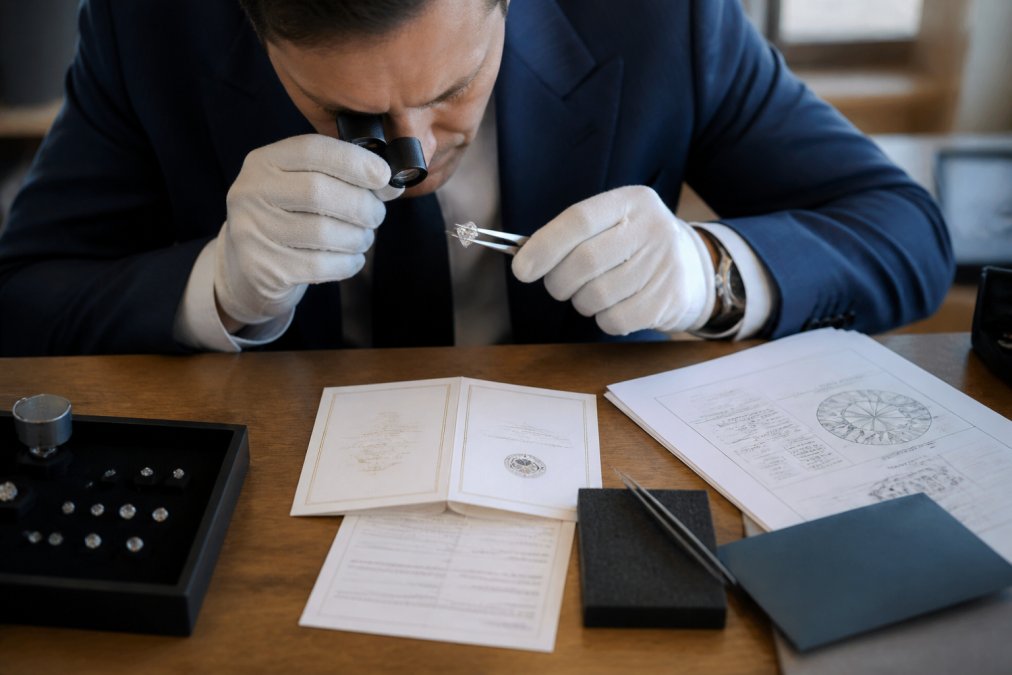
The Diamond Store has made lab-grown diamonds a significant part of their inventory. Lab-grown diamonds are chemically and physically identical to natural diamonds but are created in controlled laboratory conditions rather than mined from the earth. They typically cost 30-40% less than comparable natural diamonds and come with the same certification standards ([EXTERNAL_LINK: Peer-reviewed research on lab-grown diamonds | pmc.ncbi.nlm.nih.gov/articles/PMC11225839/]). If you're ethically conscious or budget-conscious, this represents a meaningful alternative.
Beaverbrooks traditionally emphasises natural diamonds sourced through established supply chains. Their in-store consultants can explain the provenance of their stones and walk you through the certification process in person. This hands-on approach appeals to buyers who want reassurance about authenticity and want to see the gemstone under professional lighting before committing.
The key distinction: if you want certified lab-grown options and prefer researching specifications online, The Diamond Store offers broader choice. If you prioritise seeing natural diamonds in person and discussing their origin story with a jeweller, Beaverbrooks' high street presence provides that experience.
High Street vs Online Jewellers: Where They Differ
The choice between shopping online and visiting a physical jewellery store involves trade-offs that go beyond simple convenience. Each channel offers genuine advantages and real limitations.
Online jewellers like The Diamond Store excel at product range and price transparency. You can browse hundreds of engagement rings, compare specifications side by side, and see detailed photographs and videos of each piece. The lack of physical retail overhead typically translates to competitive pricing. You can shop at your own pace without sales pressure, and detailed product information is available 24/7.
The real drawback of online shopping is the inability to see and handle the piece before purchasing. Photographs and videos, however detailed, don't capture how a ring looks on your hand, how the metal catches light in person, or how the gemstone appears under various lighting conditions. Returns policies become critically important because you may need to send items back if they don't meet your expectations in person.
High street retailers like Beaverbrooks offer immediate, tactile confidence. You can try rings on, see how they look with your skin tone, and experience the weight and feel of different metals. A trained jeweller can explain the technical aspects of each stone and help you understand why certain characteristics matter for your specific preferences. This guidance is particularly valuable if you're uncertain about what you're looking for.
The trade-off is reduced choice and typically higher prices. Physical retail locations require staffing, rent, and inventory costs that online retailers avoid. High street jewellers often stock a curated selection rather than the vast range available online. If you know exactly what you want, you may pay more for the privilege of seeing it in person.
The experience question matters too. Some people find in-store shopping pressurising and prefer the anonymity of online research. Others find online shopping anxiety-inducing because they can't verify quality before committing to a large purchase. Your personality and shopping preferences should influence this decision as much as the practical differences.
Pricing, Finance, and Value for Money
Comparing the actual cost of jewellery between these retailers requires understanding how each structures their pricing and what additional costs or financing options they offer.
The Diamond Store typically publishes prices directly on their website, allowing you to compare costs across different specifications. This transparency is valuable because you can see exactly how price changes with carat weight, colour grade, and cut quality. Their lab-grown diamonds offer significant savings compared to natural stones of equivalent quality, a meaningful factor if budget is a primary concern.
Beaverbrooks doesn't always display prices online; many pieces require an in-store visit or phone consultation. This approach makes direct price comparison more difficult, but it also means their consultants can discuss financing options, negotiate on specific pieces, or suggest alternatives based on your budget during a conversation.
Both retailers offer financing options. Many buyers assume financing is expensive, but 0% finance arrangements are common in the jewellery retail sector. If you're considering a significant purchase, asking about 0% finance plans over 12-24 months can make a piece more affordable without adding interest costs.
The value question extends beyond price. A more expensive piece from Beaverbrooks might include a more thorough warranty, easier access to after-sales services like resizing or cleaning, and the confidence that comes from having worked with a jeweller face-to-face. A cheaper piece from The Diamond Store might offer better specifications for the money if you're prioritising gemstone quality over brand reassurance.
Customer Service, Returns, and Warranties
How each retailer supports you after purchase, through returns, repairs, warranties, and ongoing service, is often overlooked but critically important for expensive purchases.
The Diamond Store operates primarily through digital channels, which means customer service happens via email, phone, or their website. Returns are typically handled by post, which adds time and requires you to trust the courier with a valuable item. Their return window and warranty terms are published online, making expectations clear upfront. For customers comfortable with remote transactions, this simplified approach works well. For those who prefer face-to-face resolution, it's a limitation.
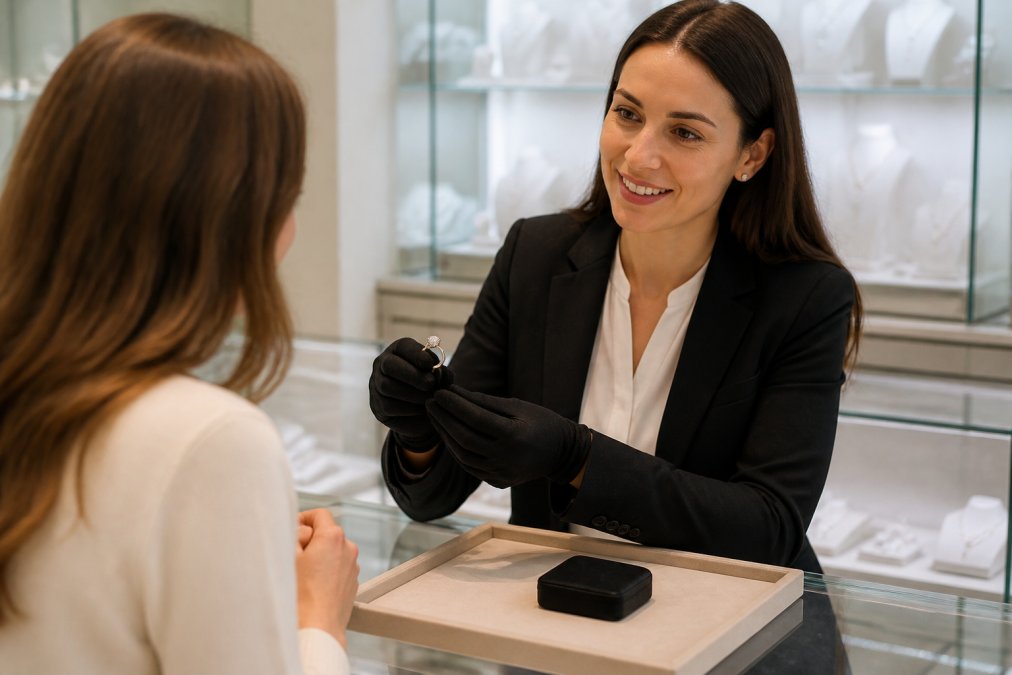
Beaverbrooks' high street presence means you can walk into a store with a problem and speak to someone immediately. If a ring needs resizing, you can drop it off and collect it days later. If you're unhappy with a purchase, you can return it in person and discuss alternatives with a jeweller who knows your preferences. This immediacy is valuable for problem-solving and provides reassurance that support is accessible.
Warranty terms vary between retailers. Many jewellery retailers offer 12-month warranties covering manufacturing defects, with extended warranties available for additional cost. Consumers in the UK are protected by the Consumer Rights Act 2015, which states goods must be of satisfactory quality, fit for purpose, and as described. Some high street jewellers offer lifetime warranties on certain pieces, though these typically cover defects, not damage from wear or misuse. Understanding what's covered, and what isn't, prevents disappointment if something goes wrong.
Returns policies are where the difference between online and high street becomes most apparent. The Diamond Store typically allows returns within 30 days if the item is unworn and in original condition. This is reasonable but puts pressure on you to decide quickly. Beaverbrooks may offer more flexible returns if you visit in person and build a relationship with staff, though their official policy should be verified.
After-sales service like cleaning, resizing, and repairs is where high street jewellers often excel. Beaverbrooks can often handle these services in-store or through established relationships with specialist craftspeople. The Diamond Store may require you to post items back for servicing, which is slower and involves additional risk during transit.
Diamonds by Daisy Reviews and How They Compare
Diamonds by Daisy represents a different approach to fine jewellery retail, one that prioritises meticulously handpicked gemstones and precious metals, combined with a 30-day satisfaction guarantee that addresses the core anxiety many buyers feel when purchasing jewellery online.
Unlike The Diamond Store's emphasis on lab-grown alternatives and broad online selection, Diamonds by Daisy focuses on curated pieces with an emphasis on quality and craftsmanship. Each gemstone is individually selected rather than sourced from bulk inventory. This approach means a smaller overall product range but with greater attention to the specific characteristics of each stone.
The 30-day satisfaction guarantee is significant. It acknowledges the real concern that jewellery purchased online might not meet your expectations when it arrives. This guarantee provides a safety net: if a piece doesn't work for you, you have a month to return it without penalty. This is more generous than many retailers' standard returns windows and reflects confidence in the quality of the pieces.
Diamonds by Daisy's positioning sits between the high-volume, specification-focused approach of The Diamond Store and the traditional, relationship-driven model of Beaverbrooks. If you value the convenience of online shopping but want the assurance of handpicked quality and a genuine satisfaction guarantee, this represents a middle ground worth considering.
The brand's emphasis on "luxurious and timeless designs" appeals to buyers seeking pieces that will remain relevant across decades rather than following short-term trends. This philosophy aligns with the mindset of someone investing in fine jewellery for significant life moments, engagements, anniversaries, milestones, rather than fashion pieces.
Which Jeweller Should You Choose?
The right choice depends on what you prioritise in a jewellery purchase. This isn't a question with a universal answer because different buyers have different needs.
Choose The Diamond Store if you want the broadest selection of engagement rings and diamonds, prefer researching specifications online, value price transparency, and are comfortable with online returns processes. Their lab-grown diamond inventory is particularly valuable if you're environmentally conscious or budget-constrained. The retailer suits decisive buyers who know what they're looking for and want to compare options efficiently.
Choose Beaverbrooks if you want to see and try pieces in person before committing, value face-to-face guidance from trained jewellers, prioritise after-sales service accessibility, and are willing to pay a premium for the in-store experience. This retailer suits buyers who feel anxious about online purchases of expensive items and want the reassurance of a physical location they can return to if problems arise.
Choose Diamonds by Daisy if you want the convenience of online shopping but demand the assurance of handpicked gemstones, a genuine satisfaction guarantee, and designs that prioritise timeless elegance over trend-chasing. This retailer appeals to buyers who value quality curation over vast selection and want confidence that their purchase reflects genuine care in stone selection. The 30-day satisfaction guarantee directly addresses the anxiety many people feel about buying fine jewellery without seeing it first.
The decision ultimately reflects your shopping personality. If you're analytical and enjoy research, online shopping appeals to you. If you're relationship-focused and value guidance, high street retail suits you better. If you want both quality assurance and online convenience, a retailer like Diamonds by Daisy bridges that gap.
Choosing where to buy fine jewellery is about more than comparing products, it's about finding a retailer whose approach matches how you like to shop and what reassures you when making significant purchases. Whether you choose The Diamond Store for selection, Beaverbrooks for in-store experience, or Diamonds by Daisy for handpicked quality with a satisfaction guarantee, ensure the retailer offers the support and confidence you need. With Diamonds by Daisy, you get meticulously handpicked gemstones, luxurious designs built to last, and a 30-day satisfaction guarantee that puts your peace of mind first. Explore our curated collection and discover the piece that captures your unique inner brilliance.
Frequently Asked Questions
Is The Diamond Store a reputable company?
The Diamond Store operates as an established high street and online jeweller with a significant retail presence. They offer diamond certification, warranty terms, and a structured returns policy. Reputation depends on individual experiences, but they maintain standard industry practices for gemstone grading, precious metals hallmarking, and consumer protections. Check their warranty period, certification standards, and customer feedback before purchasing.
How does diamond certification explained help me choose between retailers?
Diamond certification from independent bodies verifies the gemstone's carat weight, clarity grade, colour grade, and cut quality. Both The Diamond Store and Beaverbrooks should provide certification documentation. This protects your investment by confirming authenticity and quality. When comparing retailers, ask for certification details upfront and verify the certifying laboratory's credibility. Higher clarity and colour grades command premium prices, so certification helps you understand what you're paying for.
What are the main differences between high street vs online jewellers?
High street jewellers like Beaverbrooks offer in-store viewing, immediate consultation, and personal service, though overhead costs may affect pricing. Online retailers provide broader inventory, competitive pricing, and convenience, but you cannot inspect pieces physically before purchase. High street stores excel at bespoke service and after-sales support; online options often have faster delivery and clearer return policies. Your choice depends on whether you prioritise hands-on experience or value and convenience.
Are Beaverbrooks overpriced compared to online-only retailers?
Beaverbrooks' pricing reflects their high street retail footprint, in-store staffing, and immediate availability. Online retailers typically operate with lower overhead, allowing more competitive pricing on comparable gemstones and precious metals. However, price alone doesn't determine value, consider warranty terms, after-sales support, delivery speed, and returns policy. Comparing identical pieces across retailers will reveal price differences, but factor in service quality and convenience when assessing true value for money.
Does Diamonds by Daisy offer a better alternative to mass-market retailers?
Diamonds by Daisy specialises in curated, meticulously handpicked gemstones and precious metals with a focus on timeless, luxurious designs. Unlike mass-market retailers, they emphasise artisanal craftsmanship and bespoke aesthetic. They provide a 30-day satisfaction guarantee and prioritise quality over volume. Whether they're a better choice depends on your priorities: if you value heritage, provenance, and refined design, they offer a distinct alternative; if you seek broad inventory and competitive pricing, high street retailers may suit you better.
This article was written using GrandRanker