

Don't Lose It: Tennis Bracelet Meaning and Why the Clasp Matters
A tennis bracelet is a single, continuous row of uniform gemstones, usually diamonds, set in a flexible chain of gold or platinum. It commonly symbolizes continuity and lasting commitment, which is why so many people choose it for anniversaries, milestone birthdays, and other markers worth remembering. The design’s flexibility and clean, repeating line of stones make it as suited to a Tuesday morning as it is to a wedding.
TL;DR:
- The clasp type and security are critical since the bracelet’s durability depends heavily on tiny connection points and a reliable clasp.
- Lab-grown diamonds and alternative gemstones like sapphires or emeralds provide budget-friendly options that closely resemble mined diamonds.
- Consistent stone size and proper setting quality are essential to maintaining the bracelet’s seamless and durable appearance.
- Choosing the right metal tone based on skin undertone and wearing the bracelet correctly enhances its everyday versatility and style.
- Regular cleaning, careful inspection, and proper storage are vital for preserving the bracelet’s appearance and preventing stone loss or clasp failure.
Table of Contents
- What makes the design and construction unique
- Where the tennis bracelet name actually came from
- The meaning behind the diamonds and why people give them
- Materials, gemstones, and design variations to know
- How to wear and style a tennis bracelet day to day
- A buying checklist for fit, clasp, and quality
- Cleaning, storage, and everyday care
- Who wrote this and why it’s worth trusting
- A quick note from the contributor
- How Diamonds by Daisy makes this easier
- Sources
- FAQ
What makes the design and construction unique
The tennis bracelet belongs to a category jewelers call a line bracelet or an eternity bracelet: a piece where identical stones repeat in an unbroken row rather than clustering around a single focal gem. According to Merriam-Webster, a tennis bracelet is “a flexible bracelet usually consisting of a single row of diamonds or other gemstones of uniform size and cut,” traditionally set in gold or platinum and built for daily wear rather than special occasions only.
That everyday durability comes down to a few construction choices:
- Linked settings: Each stone sits in its own small unit, connected to the next by tiny hinges, which is what lets the whole bracelet flex around the wrist instead of sitting stiff like a cuff.
- Prong versus bezel: Prong settings expose more of the stone to light for extra sparkle, while bezel settings wrap the edge in metal for added protection against snags and knocks.
- Stone uniformity: Round brilliant cuts between roughly 0.10 and 0.25 carats each are the most common choice, since consistent size keeps the line looking seamless.
- Clasp type: Box clasps, lobster clasps, and tongue clasps all show up on tennis bracelets, but the clasp is arguably the single most failure-prone part of the piece and deserves more attention than most buyers give it.
Because the bracelet relies on dozens of tiny connection points instead of one strong link, clasp security is not a minor detail. It is the difference between a piece you wear for a decade and one you lose in a handshake.
Where the tennis bracelet name actually came from
The story behind the name is one of the most repeated in jewelry, and it holds up reasonably well under scrutiny. During a match, tennis star Chris Evert stopped play to retrieve a diamond line bracelet that had slipped off her wrist, and the anecdote stuck hard enough that the press and jewelers began calling the style a “tennis bracelet” instead of its older name. Alex Cooper’s account of the origin traces how the incident helped popularize the term, though secondary retellings disagree on the exact year, a common wrinkle in stories that spread through word of mouth before they were written down.
A few points worth separating from the myth:
- The line bracelet itself predates Evert by decades. Jewelry historians point to Art Deco designs from the 1920s as the design’s real ancestor, when diamond-set platinum lines were already a staple of formal dress.
- What changed in the 1980s was the name and the marketing, not the invention. Retailers leaned into the tennis association because it suggested something precious that could still survive an athlete’s wrist.
- The “tennis bracelet” label eventually eclipsed “line bracelet” almost entirely in casual use, even though jewelers still use both terms interchangeably.
The takeaway is that the bracelet’s design has a longer history than its name, and the name owes its staying power to a single memorable moment on a tennis court.
The meaning behind the diamonds and why people give them
A tennis bracelet’s unbroken row of matching stones is often read as a symbol of continuity, which is why the design gets attached to relationships and milestones rather than fleeting trends. There is no single official meaning behind it, but a few interpretations recur across jewelry culture:
- Eternity and commitment: The repeating line with no clear beginning or end lends itself naturally to anniversary and commitment gifts.
- Milestone recognition: Graduations, big birthdays, and promotions are common occasions, since the bracelet reads as an achievement marker rather than a casual accessory.
- Everyday elegance: Unlike a cocktail ring or statement necklace, a tennis bracelet is built to be worn constantly, so the gift doubles as a daily reminder rather than an occasional one.
Self-purchasing has also become a meaningful part of the pattern. More buyers now choose a tennis bracelet for themselves as a personal marker of progress rather than waiting for someone else to give one, which shifts the symbolism from “a gift I received” to “a milestone I chose to acknowledge.”
Materials, gemstones, and design variations to know
Diamonds remain the default stone for a tennis bracelet, but the market has expanded well beyond a single option. Lab-grown diamonds have chemical and optical properties nearly identical to mined stones at a lower price point, and colored gemstones like sapphires or emeralds offer an alternative for buyers who want the line-bracelet silhouette without the diamond price tag.
Clear labeling matters here more than shoppers often realize. The FTC’s guidance to jewelry marketers requires that any stone described as a “diamond” carry an immediate, clear disclosure if it is lab-grown or simulated, since the word alone implies a mined stone to most consumers. Reputable sellers disclose this on the product page itself, not buried in fine print.
Younger buyers increasingly favor lab-grown diamonds or mixed-metal settings for a more modern, budget-conscious take on the classic style, a shift that has changed how the category is marketed without changing the design itself.
A few more variables affect look and cost:
- Metal choice: White gold and platinum are the traditional choices for a bright, uniform look, while yellow and rose gold warm the tone and hide small scratches better over time.
- Mixed cuts: Some designs alternate round and baguette stones for visual rhythm instead of a single repeating shape.
- Price drivers: Total carat weight, individual stone quality, metal type, and the precision of the setting work all combine to determine final price, which is why two bracelets with similar carat weights can cost very differently.
How to wear and style a tennis bracelet day to day
A tennis bracelet’s biggest advantage over other fine jewelry is that it was designed to survive daily wear, so there is rarely a reason to save it exclusively for formal events. That said, how you style it changes with the setting.
- Solo and everyday: Worn alone on a work day or errand run, it adds polish without looking like you dressed for an occasion that isn’t there.
- Stacked with bangles: Pair a slim tennis bracelet with one or two thin bangles of a similar metal tone rather than stacking two bracelets of equal visual weight, which tends to compete for attention.
- Watch pairing: Worn on the opposite wrist from a watch, it reads as a deliberate styling choice rather than clutter.
- Skin tone and metal: Cooler undertones generally suit white gold or platinum, while warmer skin tones tend to look best in yellow or rose gold, though this is a starting point, not a rule.
Pro Tip: If you wear a watch daily, put the tennis bracelet on the other wrist so the two pieces frame your hands instead of stacking on top of each other.
Proportion matters more than most people expect. A wider band or larger stone size can overwhelm a small wrist, while a delicate line can disappear on a larger one, so try a piece on before assuming a size that looks good in photos will look the same on you.

A buying checklist for fit, clasp, and quality
Buying a tennis bracelet involves more judgment calls than most jewelry purchases, mostly because so much of its durability rides on a few small mechanical parts. Work through these steps before you commit:
- Measure your wrist with a soft tape or string, then add roughly half an inch to an inch of allowance so the bracelet moves without gaping.
- Prioritize the clasp. Box clasps and lobster clasps with a folded safety catch are generally more secure than a simple tongue clasp, especially for a piece worn daily.
- Ask about a secondary safety chain. A small backup loop connecting the clasp to the bracelet band can catch the piece if the main clasp fails, which matters more on a bracelet with dozens of connection points than on almost any other jewelry style.
- Check setting quality. Prongs should sit flush and even, with no visible gaps between metal and stone, since loose prongs are the most common cause of lost stones.
- Request certification for diamonds. A grading report from an authority like the Gemological Institute of America gives you an independent read on carat weight, clarity, and cut rather than relying on the seller’s description alone.
- Set a budget range and expect trade-offs. Entry-level pieces typically use smaller stones or lab-grown diamonds to hit a lower price, midrange pieces balance size and quality, and investment-level pieces prioritize larger, higher-clarity stones with premium metal work. None of these tiers is wrong, but knowing which one you’re shopping in prevents disappointment.
For a broader look at bracelet styles and how sizing advice changes across them, this guide to different types of bracelets is a useful next stop.
Cleaning, storage, and everyday care
A tennis bracelet’s flexible construction means dirt and oil build up between the tiny links faster than on a solid piece of jewelry, so regular care actually matters here.
- Clean it gently and often. A soft brush with warm water and a mild detergent, followed by a soft cloth dry, is usually enough every few weeks; save ultrasonic cleaners for a jeweler’s judgment, since certain settings and stone types don’t tolerate the vibration well.
- Inspect the clasp and prongs every couple of months by looking closely for looseness or gaps, and take the piece to a jeweler at the first sign of a wobble rather than waiting for a stone to fall out.
- Store it flat and separated from other jewelry, ideally in a lined box or soft pouch, since tangling with chains or rougher pieces can wear down the metal over time.
- Take it off before rough activity. Sports, heavy manual work, and swimming in chlorinated or salt water all put unnecessary stress on the clasp and can dull the metal’s finish.
None of this is complicated, but skipping it is the fastest way to end up with a loose stone or a clasp that fails at the worst possible moment.
Who wrote this and why it’s worth trusting
This guide was written by Georgia, a contributor for Diamonds by Daisy, drawing on established jewelry references rather than guesswork. Definitions and design terminology here are grounded in sources like Merriam-Webster and the Gemological Institute of America, the same institutions jewelers themselves rely on for grading and terminology standards.
- This brand curates jewelry with an emphasis on quality craftsmanship and clear product information, values reflected in customer feedback about the pieces.
- Readers can browse the brand’s full range on the Diamonds by Daisy site to see these principles applied to real product listings.
- For more on how fine jewelry choices come together stylistically, see this roundup of fine jewelry collections for women.
A quick note from the contributor
I’ve watched people agonize over which tennis bracelet to buy and then forget to check the one thing that actually protects the investment: the clasp. Fit matters, sparkle matters, but a secure clasp is what lets you wear the piece without worrying about it. If you’re browsing options, take a slow look at the clasp details on any product page before anything else.
— Georgia
How Diamonds by Daisy makes this easier
Choosing a tennis bracelet gets simpler when the clasp details, materials, and sizing information are laid out clearly instead of buried in a product description. Some curated collections keep that in mind, so you can compare options without guessing what’s inside the setting.
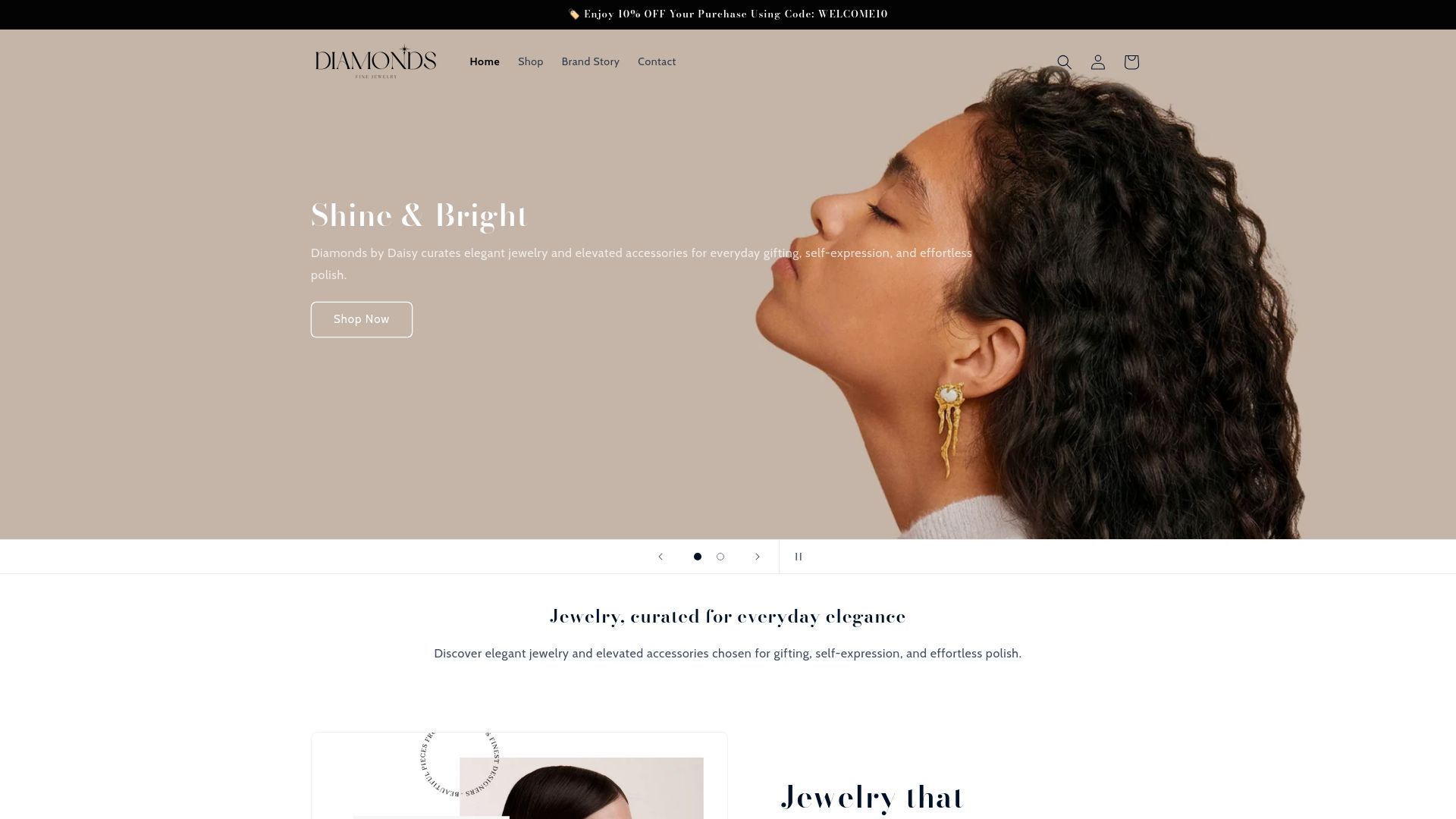
- Each listing is meant to make clasp type and stone information easy to find before you buy.
- Styling guidance is built into the site’s collections, so pairing a bracelet with existing jewelry doesn’t require a separate search.
- Browsing the Jewelry & Elevated Accessories collection is a straightforward way to see current tennis bracelet options and compare them against the checklist above.
For a broader sense of style pairing beyond bracelets, Fora Leonara’s styling pieces are worth a look for inspiration.
Sources
- tennis bracelet | Definition of tennis bracelet by Merriam-Webster
- The (True) Origin of the Tennis Bracelet — Alex Cooper
- Warning letters re mined diamond sellers: describe products accurately | FTC
- GIA — Gemological Institute of America
FAQ
Why is the tennis bracelet so popular?
Its popularity comes from combining fine jewelry materials with a minimalist, wearable design that suits both formal and casual outfits without looking out of place in either. That flexibility, paired with its symbolic ties to milestones and commitment, keeps it relevant across generations of buyers.
When should you wear a tennis bracelet?
A tennis bracelet is built for daily wear, so there’s rarely a wrong occasion for it, though many people reserve their finest piece for anniversaries, weddings, or other formal events. Everyday versions in lab-grown diamonds or simpler settings are common choices for regular wear.
What is the meaning behind a tennis bracelet?
A tennis bracelet’s unbroken row of uniform stones is commonly read as a symbol of continuity, commitment, and eternity, which is why it’s a frequent choice for anniversaries and milestone gifts. Many buyers today also choose one for themselves as a personal marker of achievement.
Why is it called a tennis bracelet?
The name traces back to an incident where tennis player Chris Evert stopped a match to retrieve a diamond line bracelet that had slipped off her wrist, an anecdote detailed in Alex Cooper’s account of the origin. The design itself existed earlier as a line or eternity bracelet, but the name stuck after that moment.
Are lab-grown diamonds acceptable for a tennis bracelet?
Yes, lab-grown diamonds are chemically and visually similar to mined diamonds and are a common choice for tennis bracelets today. Sellers are required to clearly disclose when a stone is lab-grown rather than mined, according to FTC guidance on diamond marketing.