

Luxury Jewelry Brands: 8 Best Fine Jewellery Houses for 2026
Table of Contents
- Quick Comparison: Best Luxury Jewelry Brands at a Glance
- 1. Diamonds by Daisy: Curated Fine Jewellery with a 30-Day Guarantee
- 2. Cartier: Iconic Investment Pieces with Strong Resale Value
- 3. Tiffany & Co.: Classic Designs and Sustainable Sourcing
- 4. Van Cleef & Arpels: Artistic Craftsmanship and the Mystery Setting
- 5. Bulgari: Bold Coloured Gemstones and Architectural Design
- 6. Chopard: Ethical Gold and the Happy Diamonds Collection
- 7. Jessica McCormack: Bespoke Heirloom Pieces for Everyday Wear
- How to Choose Luxury Jewellery: Key Criteria
- Frequently Asked Questions
Last Updated: September 25, 2026
Quick Comparison: Best Luxury Jewelry Brands at a Glance
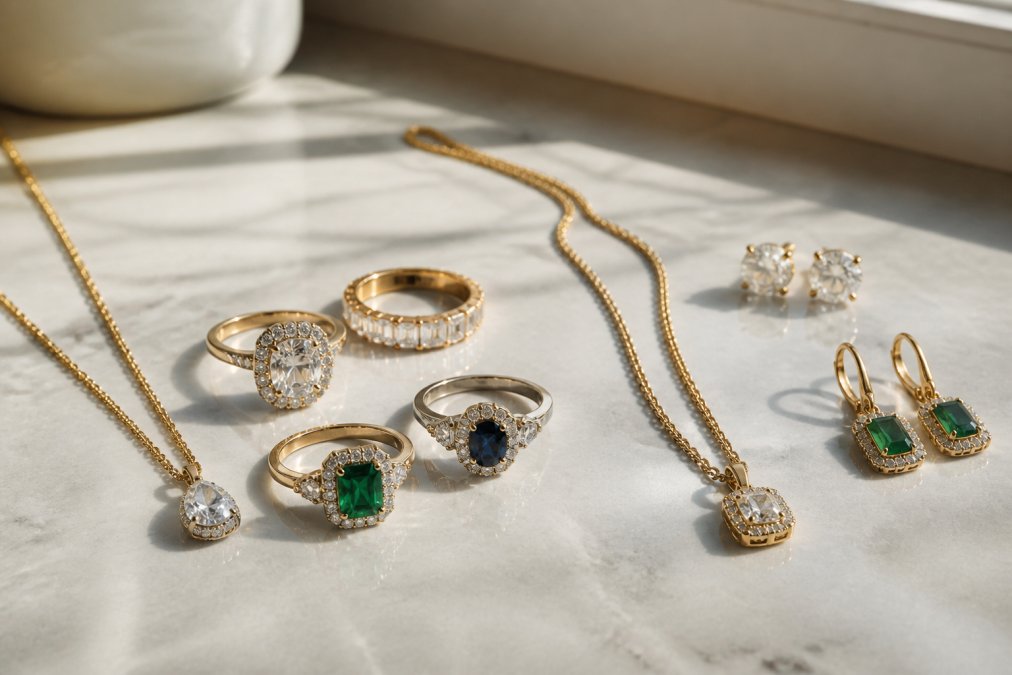
Choosing between luxury jewelry brands comes down to what you value most: investment potential, artistic craft, ethical provenance, or everyday wearability. This guide from Diamonds by daisy ranks eight fine jewellery houses on the criteria that actually matter, from hallmarking and certification to resale strength and bespoke service.
For buyers weighing a significant purchase, the differences between these houses are not cosmetic. They affect how a piece holds value, how easily it can be authenticated, and whether it suits daily wear or stays in a safe.
| Brand | Best For | Standout Strength | Entry Point |
|---|---|---|---|
| Diamonds by Daisy | Curated fine jewellery with peace of mind | 30-day satisfaction guarantee | Curated collection |
| Cartier | Investment pieces | Strong resale value | High |
| Tiffany & Co. | Classic designs | Sustainable sourcing | Mid to high |
| Van Cleef & Arpels | Artistic craftsmanship | Mystery Setting technique | Very high |
| Bulgari | Bold statement pieces | Coloured gemstones | High |
| Chopard | Ethical gold | Happy Diamonds collection | High |
| Jessica McCormack | Bespoke heirlooms | Modern wearable luxury | Made to order |
1. Diamonds by Daisy: Curated Fine Jewellery with a 30-Day Guarantee
Diamonds by Daisy is a curated fine jewellery collection built on handpicked gemstones and precious metals, designed for buyers who want timeless elegance without the guesswork. Every piece is selected to elevate personal style while meeting a high standard of quality.
What sets this house apart is confidence. A 30-day satisfaction guarantee means you can live with a piece before committing to it, which matters when you are buying online and cannot try before you buy. That single policy removes most of the risk that puts people off shopping for fine jewellery remotely.
The collection leans towards luxurious, timeless design rather than trend-led pieces. If you want jewellery that works with a capsule wardrobe and marks a milestone, this is the strongest starting point on this list.
2. Cartier: Iconic Investment Pieces with Strong Resale Value
Cartier is the clearest example of a house where brand recognition translates into measurable secondary-market strength. The Love bracelet, launched in 1969, and the Juste un Clou, introduced in 1971, are among the most consistently traded fine jewellery designs in the world, and that liquidity is the foundation of their investment case.
What actually drives resale value for a Cartier piece is narrower than most buyers assume. Four factors do the heavy lifting:
- Model continuity. Designs that have been in continuous production for decades, such as the Love and Juste un Clou, hold value far better than seasonal or discontinued lines, because the buyer pool never shrinks.
- Metal and stone specification. A plain 18ct yellow gold Love bracelet behaves very differently on resale from a diamond-set version, because the diamond version carries a wider spread between retail and secondary pricing.
- Full set. Original box, certificate, receipt and any servicing paperwork materially affect what a specialist buyer will pay. A piece without its papers is discounted, sometimes heavily.
- Condition and originality. Polishing removes metal and can soften the crisp edges collectors look for, so an unpolished example in good condition is often preferred.
On the technical side, Cartier diamonds are typically accompanied by a grading report from an independent laboratory. The two names most commonly referenced in the trade are the Gemological Institute of America (GIA) and the American Gem Society (AGS) Laboratories; both grade cut, colour, clarity and carat weight against published standards, and a report from either is what allows a buyer to price a stone without seeing it in person. For coloured gemstones, look for a report from a recognised laboratory that states origin and whether the stone has been treated.
In the UK, any Cartier piece sold as gold or platinum must carry a hallmark applied by one of the assay offices, confirming the metal's purity. A hallmark is not a brand guarantee, but its absence on a piece described as solid gold is a serious red flag. When buying pre-owned, ask for the hallmark, the laboratory report where applicable, and the original documentation together.
Assay office hallmarking guidance for precious metals
The honest trade-off is the entry price. You pay a significant premium for the name, and that premium is only recovered if you buy the right model and keep the documentation intact. For buyers treating jewellery as a store of value rather than a daily accessory, that discipline is the whole game.
3. Tiffany & Co.: Classic Designs and Sustainable Sourcing
Tiffany & Co. pairs instantly recognisable design with one of the more developed supply-chain transparency programmes in the industry.
- Metal provenance. Responsible houses trace gold and platinum back to refineries and, where possible, to mines or recycled sources. Recycled gold carries no mining footprint, which is why several high-end houses now use it as standard.
- Diamond provenance. The Kimberley Process Certification Scheme is the baseline international control that aims to prevent conflict diamonds from entering legitimate supply chains (What Is The Kimberley Process?). It is a minimum standard, not a guarantee of ethical labour conditions, so serious buyers ask for additional assurance.
- Laboratory-grown stones. These are chemically and optically identical to mined diamonds and are graded by the same laboratories, but they trade at a substantial discount and have a different resale profile. A house that sells both should be explicit about which is which.
- Traceability documentation. The strongest programmes publish supplier lists, audit results or third-party verification. If a brand claims ethical sourcing but will not show its chain of custody, treat the claim as marketing.
Kimberley Process Certification Scheme overview
The trade-off remains the brand premium. You pay more for the name, the aftercare and the recognition, and that premium is only justified if the sourcing story and the design both matter to you. For buyers who want a recognisable piece backed by a documented supply chain, Tiffany is one of the stronger options on this list.
4. Van Cleef & Arpels: Artistic Craftsmanship and the Mystery Setting
Artistic craftsmanship defines Van Cleef & Arpels. The house is known for the Alhambra motif and for its Mystery Setting technique, where stones are held without visible metal, a feat of artisanal skill few workshops can replicate.
5. Bulgari: Bold Coloured Gemstones and Architectural Design
Bold, architectural design is Bulgari's signature. The Serpenti collection and the house's Mediterranean-inspired aesthetic set it apart from the more restrained French houses on this list.
6. Chopard: Ethical Gold and the Happy Diamonds Collection
Ethical gold and playful innovation define Chopard. The Happy Diamonds collection, with its moving stones, is one of the few genuinely original ideas in modern fine jewellery, and the house's commitment to sustainable luxury is well established.
7. Jessica McCormack: Bespoke Heirloom Pieces for Everyday Wear
Bespoke design is Jessica McCormack's speciality. Signature settings like the Gypsy and Button Back, paired with a modern, wearable aesthetic, make her pieces feel like heirlooms you can actually wear daily rather than lock away.
How to Choose Luxury Jewellery: Key Criteria
Choosing luxury jewellery comes down to four things: gemstone quality, craftsmanship, provenance, and how the piece will be worn. Get those right and the brand name becomes secondary.
Frequently Asked Questions
What defines a luxury jewelry brand?
A luxury jewelry brand combines premium materials, exceptional craftsmanship and a distinct design identity. Look for solid precious metals, high-grade gemstones with certification, and techniques like hand-setting or bespoke design. Heritage and exclusivity also play a role, but the core markers are material quality and artisanal skill. Brands that provide transparent sourcing and proper hallmarking demonstrate a genuine commitment to fine jewellery standards.
Which luxury jewelry brands offer the best investment value?
Investment value depends on brand prestige, material quality and resale demand. Cartier consistently holds strong resale values due to its heritage and exclusivity. For fine jewellery investment, prioritise pieces with certified diamonds or coloured gemstones, solid gold or platinum settings, and documented provenance. Lab-grown stones offer sustainability but typically have lower resale value than natural equivalents, so factor that into your decision.
How do I verify the authenticity of luxury jewellery?
Check for a UK hallmark, which is a legal requirement for items over certain weight thresholds in precious metals. Request diamond certification from a recognised laboratory and ask for a detailed receipt listing metal purity, gemstone carat weight and cut grade. Reputable brands provide documentation and may offer independent appraisal. If buying online, confirm the returns policy and satisfaction guarantee before committing.
Are independent jewellery brands considered luxury?
Yes. Luxury is defined by craftsmanship, material quality and design integrity, not just brand size. Independent jewellers often offer bespoke design, handpicked gemstones and personalised service that larger houses cannot match. Brands like Jessica McCormack have built reputations for heirloom-quality pieces through artisanal techniques. The key is verifying sourcing transparency, certification and hallmarking regardless of the brand's scale.
What should I look for when buying high-end jewellery?
Start with the metal: check for a UK hallmark indicating gold purity or platinum content. For gemstones, ask for certification and review cut, clarity and carat weight. Consider the brand's sourcing ethics and whether they provide provenance details. Finally, assess the returns policy. A 30-day satisfaction guarantee gives you confidence that the piece matches expectations and allows time for independent appraisal if needed.