

Three Bag Styles Solve Most Work Handbag Problems
Three silhouettes cover almost every professional need: the structured leather tote for client-facing roles, the zip-top nylon or canvas tote for daily commuters, and the convertible backpack/tote for anyone juggling a longer trek or a gym bag. Pick your category first, then filter by three things: does your laptop actually fit with room for a charger, does the bag have real internal organization instead of one giant cavern, and will the strap still feel fine on your shoulder at 5 p.m.
That third point trips up more buyers than you’d expect. Work bags typically weigh 1.1 to 3 pounds empty, before you’ve added a laptop, charger, and a water bottle. Add a 3-pound laptop to a 3-pound leather tote and you’re carrying six pounds on one shoulder before lunch.
Here’s the checklist to run against any bag you’re considering:
- Laptop fit: the sleeve should fit your machine with at least an inch of buffer on width and height, not a snug squeeze.
- Organization: look for a zippered pocket, a slip pocket, and ideally a key leash so you’re not digging through the same abyss twice a day.
- Comfort and weight: check the empty bag’s weight and strap width before you check the price tag.
The rest of this guide walks through sizing math, material trade-offs, organization fixes, and what to actually pack, so you can shop with a plan instead of a hope.
Key Takeaways
Choosing a work bag comes down to three filters applied in order: does your laptop actually fit, does it have real internal organization, and will the weight and strap hold up over a full workday.
| Point | Details |
|---|---|
| Pick your silhouette first | Structured leather tote for client-facing roles, nylon/canvas zip-top for commuters, convertible backpack/tote for longer treks. |
| Measure before you shop | Get your laptop’s exact width, height, and depth, then add at least half an inch of clearance on the sleeve. |
| Match closure to commute | Zip-top compartments add security on transit and in crowds; open-top totes suit calmer, car-based commutes. |
| Fix organization with inserts | A modular organizer sized to the bag’s base solves the “black hole” problem in unstructured totes without replacing the bag. |
| Diamondsbydaisy maps to commuter profiles | The Elisa Leather Handbag suits client-facing formality, while the quilted computer bag and oversized suede shoulder bag serve daily and hybrid commuters. |
Table of Contents
- Work Handbags Guide: What to Check Before You Buy
- Which Silhouette Fits Your Job and Commute?
- Leather, Nylon, or Canvas: Which Material Lasts?
- How Do You Measure Your Laptop for a Bag That Actually Fits?
- Built-In Pockets or a Modular Organizer?
- What Should You Actually Pack Every Day?
- How Do You Care for Different Bag Materials?
- What Should You Budget for a Work Handbag?
- Does Brand Reputation and Warranty Matter?
- Can One Bag Work for the Office and After-Hours Too?
- What I Look for Before Recommending Any Work Bag
- Which Diamondsbydaisy Bag Fits Your Commute?
- Frequently Asked Questions
- Sources
Work Handbags Guide: What to Check Before You Buy
A good work handbag is really a small system of trade-offs, and most shoppers only evaluate one or two of them. Here’s the order that actually matters, based on what functions the hardest during a real workday.
- Laptop protection first. A padded sleeve that’s actually attached to the bag’s structure, not a loose pocket, keeps your laptop from sliding around and taking corner impacts. Look for sleeves with their own zip or a secure anchor point at the base. Testing from Wirecutter treats a protected laptop compartment as a baseline requirement, not a bonus feature, and their standard is that a bag needs to comfortably fit at least a 13-inch laptop to qualify as a real work bag.
- Closure type, matched to your commute. A zip-top main compartment is the right call if you’re on a train, in a crowded elevator, or walking past open car doors on a city block. An open-top tote is fine if your commute is a car or a quiet office building where nobody’s reaching into your bag. Zippered closures also do double duty as light security against pickpocketing, which matters more than people think for laptops and phones riding at hip height.
- Organization essentials. A key leash sounds minor until you’re not fishing through a bag for 20 seconds outside your building in the rain. Pair that with a slim pen slot and at least one exterior quick-access pocket for a transit card or phone, and you’ve solved 80 percent of the “why is my bag chaos” problem.
- Comfort signals you can check in thirty seconds. Strap width matters more than padding thickness. A 1-inch strap on a loaded bag will dig in by hour two; a 1.5 to 2-inch strap distributes weight better even without extra cushioning. Also check the drop length, meaning how far the strap sits when worn on the shoulder. Too short and it rides up under your arm; too long and it swings.
- Durability you can inspect in the store or in photos. Check stitching density along stress points, particularly where the strap meets the body. Loose or widely spaced stitches there are the first thing to fail. Hardware should feel solid when you tug a zipper pull or D ring, not like it flexes.
Vogue’s roundup of work-appropriate totes points to the same short list of features separating a genuinely functional work bag from a pretty one: dedicated laptop sleeves, zippered main compartments, external quick-access pockets, and internal organization like key leashes and water bottle sleeves. If a bag is missing more than one of those, it’s a fashion bag wearing a work bag’s price tag.
Pro Tip: Test the empty weight before you test the capacity. Pick up the bag with nothing in it. If it already feels substantial, everything you add is going straight onto your shoulder, not into “extra room.”
Which Silhouette Fits Your Job and Commute?
The shape of your bag says almost as much about your role as your outfit does, and picking the wrong one creates friction you’ll feel every single day.
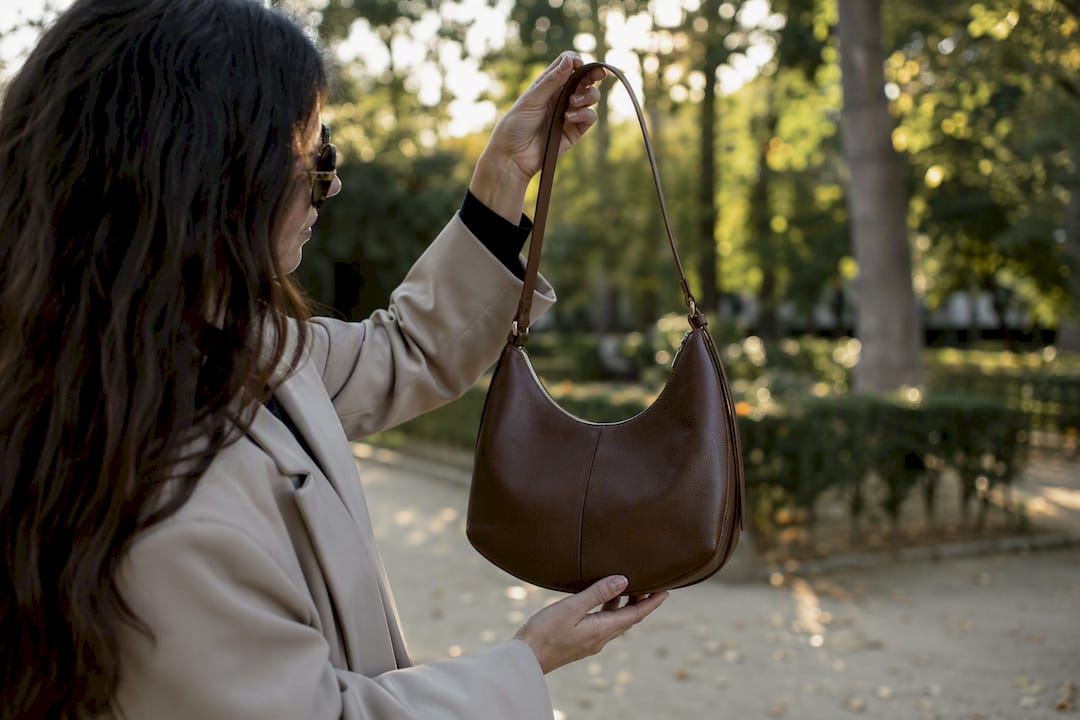
- Structured tote: Firm sides, a defined base, and a shape that holds even half-empty. Best for client meetings, law firms, finance, and anywhere first impressions matter. Downside: less forgiving if you overpack, and heavier by design.
- Unstructured tote: Soft-sided, slouchy, expands with what you put in it. Great for creative fields and casual offices, but prone to becoming what stylists at Corporette call the “black hole” bag, where everything sinks to the bottom and disappears.
- Satchel: A structured, top-handle shape with a flap or zip closure, smaller and more formal than a tote. Works well for hybrid workers who don’t need to carry a full laptop kit every day, less so if you’re hauling files and a change of shoes.
- Bucket bag: Cinched top, wide body, casual by nature. Stylish for after-hours transitions but a poor match for laptops since there’s no flat compartment to keep a device upright and protected.
- Convertible backpack/tote: Carries as a tote for the office, straps on as a backpack for longer walks or transit connections. The most versatile option for anyone commuting more than 20 minutes, though it rarely looks as polished as a structured tote in a boardroom.
- Crossbody: Hands-free and light, but almost never sized for a laptop. Best as a secondary bag, not your main work carry.
Business Insider’s styling guidance draws a clear line here: leather and structured shapes read as formal and durable, while nylon and softer silhouettes read as practical and commuter-friendly. If you’re client-facing several days a week, lean structured. If you’re behind a desk most of the time and your commute involves stairs, buses, or a bike, a convertible or a well-organized nylon tote will serve you better than a stiff leather bag that never quite earns its keep.
Leather, Nylon, or Canvas: Which Material Lasts?
Material is where style and practicality either align or fight each other, and the honest answer is that no single material wins across every category.
- Leather ages well, resists daily wear better than most fabrics, and develops a patina that actually looks better over time. It’s also the heaviest common option and needs conditioning every few months plus protection from rain, which makes it a poor fit for anyone without covered parking or a short walk to the office.
- Nylon and technical fabric are the commuter’s best friend: light, water-resistant, and forgiving of scuffs. Stylists consistently point to nylon as the better choice for daily carry when weight and weather matter more than investment-piece styling.
- Canvas is rugged and casual, holds up to abuse, but stains easily and usually needs a fabric protector spray applied before first use to fend off coffee spills and rain.
- Faux leather looks the part on day one but tends to crack or peel within a year or two of regular use, especially at fold points and corners. It’s a reasonable budget entry point, not a long-term investment.
The weight difference is not trivial once you’re carrying it eight hours a day. Bags run 1.1 to 3 pounds empty depending on material, so a nylon bag at the low end and a full-grain leather tote at the high end can differ by nearly two pounds before you’ve packed a single item. Materials also affect repairability: leather can usually be re-stitched or re-dyed by a cobbler, while faux leather and worn nylon linings are typically replace-not-repair situations. If sustainable sourcing matters to you, look for fabrics certified under frameworks like the Global Recycled Standard, and be cautious of vague “eco-friendly” claims without a named certification behind them.
How Do You Measure Your Laptop for a Bag That Actually Fits?
Sleeve dimensions on product pages are frequently vague or missing entirely, so measure your own laptop before you trust a listing.
- Measure your laptop with a tape measure, not the marketing spec sheet. Get width, height, and depth with the lid closed, including any rubber feet or edge lip.
- Add a buffer. You want at least half an inch of width and height clearance beyond your laptop’s actual dimensions so it slides in without forcing, and roughly an inch of depth clearance to allow for a slim charger tucked alongside it.
- Match against sleeve dimensions, not bag dimensions. A tote can look enormous on the outside and still have a narrow, poorly padded laptop sleeve inside. The sleeve’s own measurements are what count.
- Size up for 16-inch laptops. Anything in the 16-inch range with a power brick and a folio case usually needs a structured tote or backpack rather than a slim satchel, simply because there’s more bulk to distribute.
- When sleeve dimensions aren’t published, default to the safer format. A backpack or structured tote with a full-width compartment is more forgiving of an unlisted spec than a slim satchel, where a half-inch miscalculation means your laptop won’t zip in at all.
Wirecutter’s testing standard treats 13 inches as the practical floor for a bag to qualify as a real work bag, which is a useful benchmark even if your laptop happens to be smaller. Buying a size up costs you nothing except a little extra interior room; buying too small costs you a laptop that won’t zip in on a bad day.
Built-In Pockets or a Modular Organizer?
Every bag falls into one of two camps: it already has enough internal structure to keep you organized, or it needs help. Knowing which camp yours is in saves you from blaming the bag for a problem an insert could fix in five minutes.
Prioritize these pocket types when shopping, in rough order of how often they earn their keep:
- A zippered interior pocket for anything you don’t want falling out when the bag tips over in a car seat or on a train floor.
- A slip pocket for a phone or a folded document you need without unzipping anything.
- A dedicated bottle sleeve so a leaking water bottle doesn’t end up soaking your laptop sleeve.
- A key leash clipped near the top opening, which sounds small until you’ve stopped patting down every pocket outside your front door.
If your bag doesn’t have these, a modular organizer insert solves most of it without replacing the bag. Corporette’s styling advice is blunt about this: unstructured totes are prone to the “black hole” effect, where everything sinks and disappears, and a fitted insert is the fix people reach for most often. Choose an organizer sized to your bag’s actual base dimensions, not a generic “one size fits most” version that leaves gaps or bunches up. Look for one padded compartment for a laptop or tablet plus smaller slots for cables, a pen, and a charger brick. A good insert does two jobs at once: it gives you real organization, and it holds the bag’s shape from the inside so a soft-sided tote doesn’t collapse into a shapeless sack by 10 a.m.
Pro Tip: Choose a felt or lightly padded nylon organizer over a rigid, heavily structured one. You get real device protection without adding the extra half pound that a thick foam insert tacks onto a bag you’re already carrying all day.
What Should You Actually Pack Every Day?
Overpacking is the single fastest way to turn a great bag into a shoulder problem. Start with the non-negotiables, then adjust for your day.
Core essentials, every day:
- Laptop and charger
- Phone and wallet or card case
- Keys, ideally clipped to a leash
- A reusable water bottle in its own sleeve
Add-ons depending on your day:
- Office-only days: a notebook, a pen, and maybe a lunch container if your building lacks a good cafeteria.
- Hybrid or travel days: printed or digital documents in a flat folder, plus a portable charger if you’re out longer than usual.
- Gym-before-or-after-work days: compact shoes and a change of top, ideally in a separate zip pouch so sweat and gym clothes don’t touch your laptop sleeve.
Pack by access frequency, not just size: things you reach for on the go, like your phone, transit card, or keys, belong in exterior or top pockets, while your laptop and anything fragile go in the most padded, most central compartment. And resist the urge to fill every pocket just because it’s there. A half-empty bag with the right things easy to reach beats a stuffed one where your hand fights past three unrelated items to find your keys.
How Do You Care for Different Bag Materials?
A few consistent habits will add years to almost any bag, regardless of material.
- Leather: wipe with a dry cloth after exposure to rain, condition every few months with a leather-specific product, and never store it in direct sunlight, which dries and cracks the surface over time.
- Nylon and canvas: spot-clean with a mild soap and damp cloth; for canvas, treat stains quickly since they set faster than on synthetic weaves. A fabric protector spray applied before first use makes ongoing cleaning far easier.
- Faux leather: avoid harsh solvents, which can strip the coating; a soft cloth and gentle soap is usually as aggressive as you should get.
- Storage: keep bags upright with their internal structure supported, either with the original packing or a rolled towel, to prevent slouching or creasing at the base. Keep metal hardware away from humidity to slow tarnishing.
For anything more serious, a cracked handle, a broken zipper pull, or peeling leather at a fold, a professional leather repair shop or the brand’s own repair service is worth the cost. DIY glue fixes on structural failures almost always look worse than the original damage and rarely hold.
What Should You Budget for a Work Handbag?
Price in this category tracks material and construction quality more reliably than brand name alone. At the lower end, nylon and canvas totes with basic organization are widely available and reasonable for someone testing whether a work-specific bag even fits their routine. Mid-range typically buys better hardware, reinforced stitching at stress points, and a proper padded laptop sleeve rather than a thin, unlined pocket.
At the higher end, full-grain leather totes and satchels cost more upfront but tend to hold resale and repair value better than synthetic alternatives, since a cobbler can restitch, re-dye, or replace hardware on leather in ways that simply aren’t possible on faux leather or worn nylon linings. Think of a leather work bag less as an accessory purchase and more as a five-to-ten-year piece of equipment, provided you’re willing to condition it periodically.
The smartest budget approach ties spending to how often you’ll actually use the bag. A daily-carry commuter bag earns a higher budget than an occasional bag for the rare in-office day, simply because cost per wear drops fast with daily use. If you’re deciding between two bags at different price points, weigh construction details, stitching, hardware, sleeve padding, more heavily than the price tag itself.
Does Brand Reputation and Warranty Matter?
Warranty terms and repair policies vary widely across the handbag category, and they’re worth checking before you buy, not after something breaks. Some brands offer structural repair or hardware replacement for a defined window after purchase; others offer none at all beyond a standard return period.
Brand reputation, in practical terms, comes down to two things: consistency of construction quality across a product line, and how the company handles it when something does go wrong. A brand with visible, specific customer feedback about durability and craftsmanship over time tells you more than marketing copy ever will. Diamondsbydaisy has built its handbag and accessory offering around that kind of scrutiny, favoring curated construction and quality materials over disposable, trend-driven pieces, so the bags are built to be used daily rather than boxed away.
Before buying anywhere, check the specific return and repair policy attached to the exact product, not a general brand promise, since terms can differ between a $40 accessory and a $200 leather tote even from the same company.
Can One Bag Work for the Office and After-Hours Too?
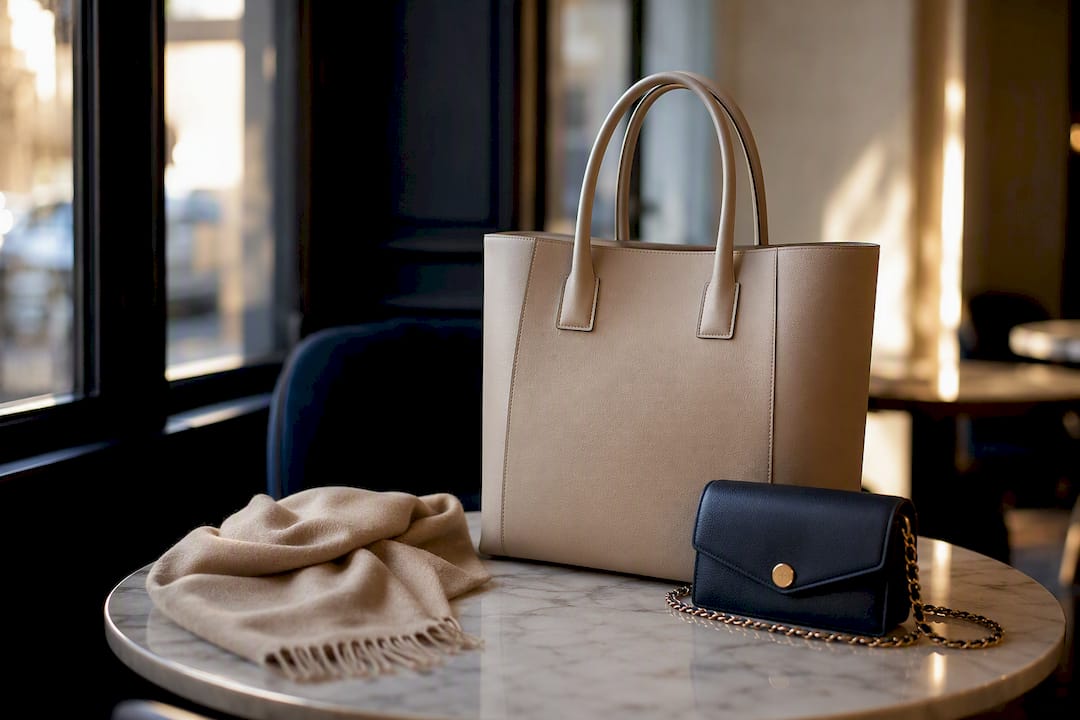
The most versatile work bags are the ones that don’t visually announce “I just left a desk.” A structured leather tote in a neutral color, navy, black, cognac, transitions from a client meeting to dinner without any adjustment, because the silhouette reads as polished in both settings.
Convertible backpack/totes handle the transition differently: worn as a tote for a client walk-through, then strapped on as a backpack for an evening walk home or a weekend trip, without ever looking like gym gear. That flexibility is exactly why they’ve become a default recommendation for hybrid workers who don’t want to own three separate bags for three separate contexts.
Where versatility breaks down is with heavily branded logo prints or bags built with only one function in mind, a boxy laptop case, for instance, that has no evening use at all. If you’re buying one bag to do the work of two or three, prioritize a neutral color, a structured or convertible shape, and hardware simple enough that it doesn’t scream “office supply” once five o’clock hits. A quality leather tote, in particular, tends to earn the widest range of use across contexts precisely because it was never designed to look purpose-built in the first place.
What I Look for Before Recommending Any Work Bag
Curating handbags for Diamondsbydaisy comes down to three questions I ask before anything gets a recommendation: does it protect a laptop properly, does it organize a real workday, and will it still look sharp and hold together after a year of actual use. Elegance without function is just a nice box for chaos, and function without any styling sense isn’t what a professional wardrobe needs either.
What the research backs up, and what I’ve seen hold true across silhouettes and materials, is that stitching density and hardware quality predict a bag’s real lifespan far better than price alone. A $200 bag with reinforced stress points will outlast a $400 bag with weak seams at the strap. That’s the detail most shoppers skip, and it’s the one worth checking every time.
If you’re someone who wants a bag that reads as put-together in a client meeting and still holds its shape after eighteen months of daily use, that’s exactly who Diamondsbydaisy’s handbag collection is built for. If you mostly need a bag for occasional laptop days and don’t mind replacing it in a year, you have more flexibility to shop on style alone.
Which Diamondsbydaisy Bag Fits Your Commute?
Match the checklist from earlier, laptop fit, organization, comfort, against what’s actually in front of you, and the decision gets a lot simpler. Diamondsbydaisy’s handbag lineup was curated with exactly those three filters in mind, not as an afterthought to style.
For the client-facing professional who needs a structured, polished silhouette that still swallows a laptop and a folio without bulging, the Elisa Leather Handbag in Sapphire delivers the formal leather look this guide flags as the right call for meetings and presentations, with the interior structure to keep a laptop from sliding around. For the daily commuter hauling a laptop plus a change of shoes or gym gear, the quilted computer bag offers a padded, feminine take on the structured tote without the full weight penalty of heavier leather. And if your days run longer or involve more walking than sitting, the oversized suede shoulder bag gives you the capacity for a 15 or 16-inch laptop plus the extras a hybrid schedule demands.
Every piece in the collection gets evaluated against the same criteria this guide walks through: laptop protection, real internal organization, and a strap that won’t punish your shoulder by the afternoon. Browse the full handbag and accessory collection to find the shape and material that matches your own commute and dress code, and check sizing details on each product page before you buy.
Frequently Asked Questions
What size laptop bag do I need for a 15-inch laptop? Measure your laptop’s actual width and height with the lid closed, then look for a sleeve with at least half an inch of clearance on both dimensions and roughly an inch of depth for a charger. Most 15-inch laptops need a bag rated for 15 to 16 inches to fit comfortably with a charger alongside.
Is leather or nylon better for a daily work bag? Nylon is the better daily-commuter choice because it’s lighter and more weather-resistant, while leather offers longer-term durability and a more formal look at the cost of extra weight and maintenance. Choose based on how much conditioning and care you’re willing to do.
How do I stop my tote from turning into a “black hole”? Add a modular organizer insert sized to your bag’s base dimensions with at least one padded compartment for tech and smaller slots for cables and pens. It preserves the tote’s shape while fixing the disorganization that soft-sided bags are prone to.
How much should I expect a quality work handbag to cost? Cost tracks construction quality more than brand name: budget options run light on hardware and padding, mid-range bags add reinforced stitching and real laptop protection, and premium leather bags cost more upfront but tend to last longer and stay repairable.
Can a work tote double as an evening bag? Yes, if you choose a neutral color and a structured or convertible silhouette without heavy branding. A polished leather tote or a convertible backpack/tote transitions from office to evening far more easily than a bag built for one function only.
Sources
This guide draws on hands-on editorial testing and styling coverage rather than manufacturer claims alone.
- The 24 Best Work Bags of 2026, Tested and Reviewed | Byrdie
- The 7 Best Women’s Work Bags of 2026 | Wirecutter
- These Vogue-Approved Totes Are the Best Work Bags for Women | Vogue